





The Glow That Got Away: Signs of Over-Exfoliation
In the quest for perfect skin, it’s easy to believe that more is more. However, when it comes to exfoliation, this approach can backfire spectacularly. Instead of a fresh, bright complexion, you might find yourself with skin that’s angry and uncomfortable.
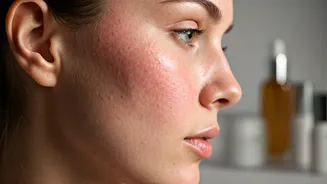
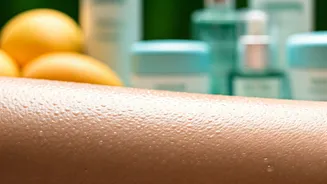
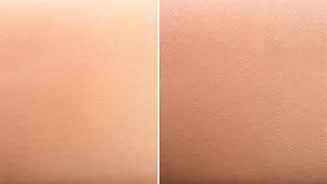
The most common signs of over-exfoliation are redness, persistent irritation, and a burning or stinging sensation, especially when you apply other products. Your skin might feel tight, dry, and become flaky or start peeling. Ironically, some of the issues you were trying to fix with exfoliation, like breakouts, can actually get worse. A compromised skin barrier is more vulnerable to bacteria, leading to small, rough bumps or inflamed pimples. One of the trickiest signs to identify is a waxy or overly shiny appearance. This isn't a healthy glow; it's the result of stripping away so many skin cells and natural oils that the underlying, prematurely exposed skin looks stretched and tight.
Why Your Skin Is Protesting
To understand why over-exfoliation causes such distress, you need to think about your skin barrier, also known as the stratum corneum. This outermost layer of skin is your body's first line of defence. It’s a carefully constructed wall of skin cells (the bricks) and lipids like ceramides and fatty acids (the mortar). Its job is to keep moisture in and keep irritants, pollution, and harmful microbes out. When you exfoliate—whether with a physical scrub or a chemical acid—you're accelerating the removal of the top layer of dead skin cells. Done correctly, this reveals fresher skin underneath. But when done too often or too aggressively, you start chipping away at the 'mortar,' damaging the lipid barrier. A damaged barrier can no longer hold onto moisture effectively, leading to dehydration and tightness. It also leaves your skin vulnerable, allowing everyday products to penetrate too deeply and cause stinging and inflammation.
The Recovery Plan: How to Soothe Your Skin
If you recognise the signs, don't panic. The skin has a remarkable ability to heal, but you need to give it the right support. The first and most critical step is to stop all forms of exfoliation immediately. That means no scrubs, no brushes, no AHA/BHA toners, and no retinoids for at least one to two weeks, or until all signs of irritation have disappeared. Strip your routine back to the absolute basics: a gentle, non-foaming cleanser, a barrier-repairing moisturiser, and sunscreen. Look for products with soothing and hydrating ingredients. Ceramides are fantastic because they are the building blocks of your skin barrier. Hyaluronic acid will help replenish lost moisture, while ingredients like niacinamide, panthenol, and aloe vera can help calm inflammation and reduce redness. Be patient; it can take anywhere from a few days for mild cases to several weeks for a severely compromised barrier to fully recover.
Smart Exfoliation: A Guide for Your Skin
Once your skin has returned to its happy, calm state, you can reintroduce exfoliation slowly and strategically. The golden rule for most skin types is to start with once or twice a week. Pay close attention to how your skin responds. If you have oily skin, you might be able to tolerate exfoliating up to three times a week, whereas dry or sensitive skin types may find that once a week is plenty. For Indian skin, which is often more prone to pigmentation, a gentle approach is always better. Chemical exfoliants are often recommended over harsh physical scrubs, which can cause micro-tears. Look for milder acids like lactic acid (an AHA) or PHAs (Polyhydroxy Acids), which are great for sensitive skin. For oily and acne-prone skin, BHA (salicylic acid) is effective at cleaning out pores. No matter what you choose, always follow up with a good moisturiser and apply sunscreen diligently the next day, as freshly exfoliated skin is more sensitive to the sun.