






The Science Behind the Slump
That sleepy, lethargic feeling you get after a meal, often called postprandial somnolence, is frequently linked to your body's response to food, particularly carbohydrates. When you eat, your body breaks down carbs into glucose, which enters your bloodstream.
This causes a rise in blood sugar. In response, your pancreas releases insulin to help your cells absorb this glucose for energy. A large or carb-heavy meal can cause a rapid spike in blood sugar, followed by a significant insulin release. This can lead to a subsequent 'crash' where blood sugar levels fall quickly, causing fatigue, brain fog, and that irresistible urge to nap at your desk. Essentially, your energy regulation goes on a rollercoaster, and sleepiness is the result of the downward dip.
Walking: Your Secret Weapon Against Spikes
This is where a post-meal walk works its magic. When you engage in light physical activity like walking, your muscles need energy. They can pull glucose directly from your bloodstream to fuel their movement. This process helps clear excess sugar from your blood before it can cause a major spike. By blunting this initial glucose surge, you also prevent the dramatic insulin response and the subsequent energy crash. Studies have shown that even a few minutes of walking can make a significant difference. One meta-analysis found that just two to five minutes of light walking after a meal can help improve blood sugar levels. It’s a simple, effective way to help your body process your meal more efficiently and maintain more stable energy.
How to Do It Right
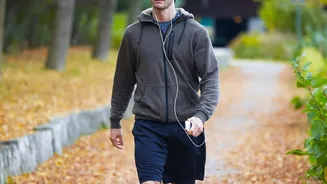
The key is gentle and consistent movement. You don't need a strenuous workout; in fact, high-intensity exercise right after eating can sometimes cause digestive discomfort. A leisurely stroll is perfect. Aim to start your walk as soon as you can after finishing your meal, ideally within 30 minutes. As for duration, even a short walk is beneficial, but many experts suggest that 10 to 15 minutes provides the most significant rewards. The goal is to make it a sustainable habit. If you work in an office, this could mean a quick loop around the block, a few laps of your office floor, or even just walking up and down a few flights of stairs. If you work from home, a walk around your neighbourhood or pacing while on a phone call can be just as effective.
More Than Just an Energy Boost
While conquering the afternoon slump is a major win for any worker, the benefits of a post-meal walk don't stop there. This simple habit can also significantly improve digestion by stimulating the stomach and intestines, which can help reduce symptoms like bloating and gas. Over the long term, regular post-meal walks contribute to better overall health. By helping to regulate blood pressure and cholesterol, this habit supports cardiovascular health and may reduce the risk of heart disease. It also improves your body's sensitivity to insulin over time, which is a crucial factor in preventing type 2 diabetes. Furthermore, taking a break for a walk can be a great mental reset, reducing stress hormones like cortisol and boosting your mood.