
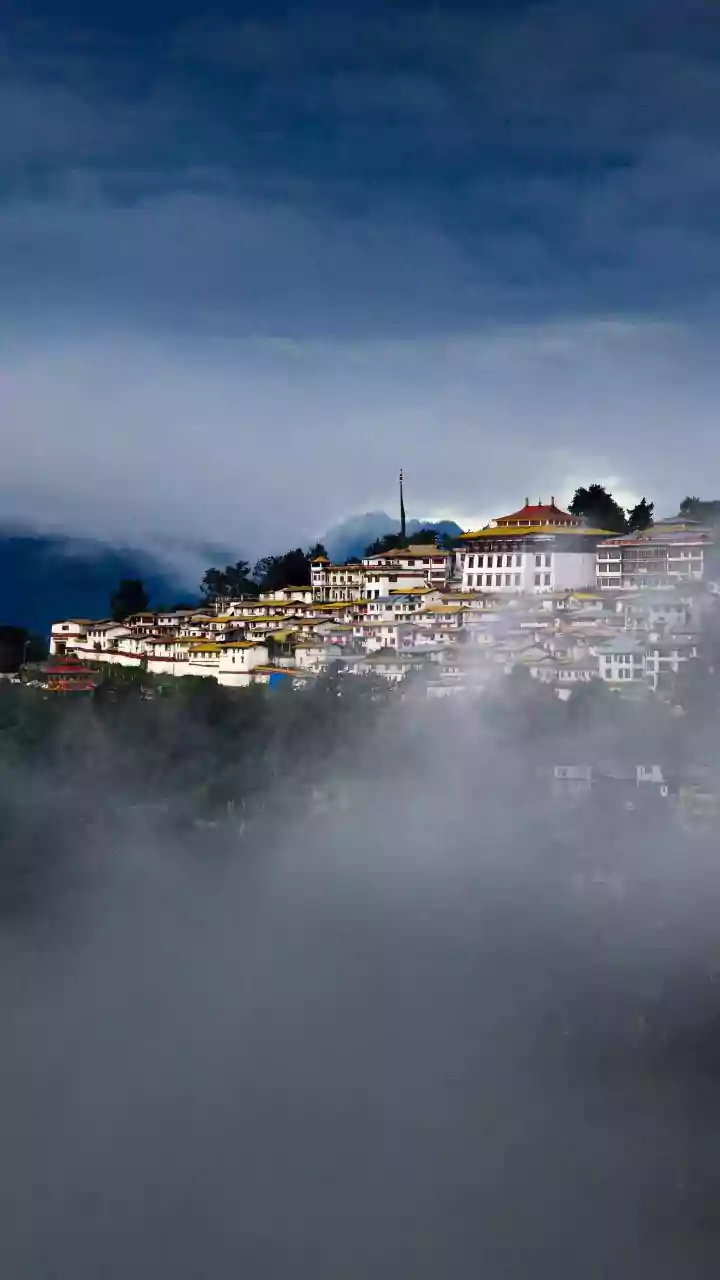
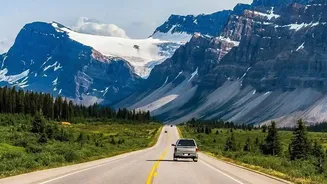
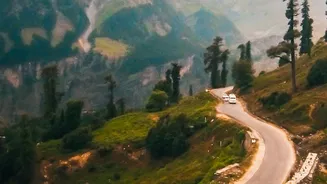
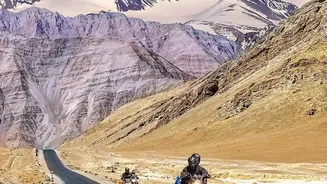
The monsoon has washed the Himalayan skies to a brilliant blue, revealing crisp, snow-dusted peaks. It’s a magical time for travel, but your entire itinerary hinges on one crucial factor: whether the high-altitude passes are open.
The Allure and The Obstacle
The post-monsoon period,
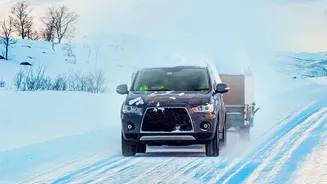
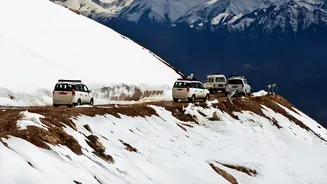
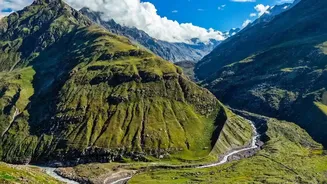
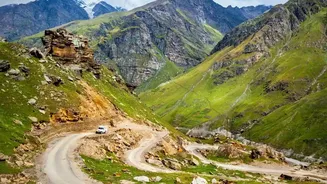
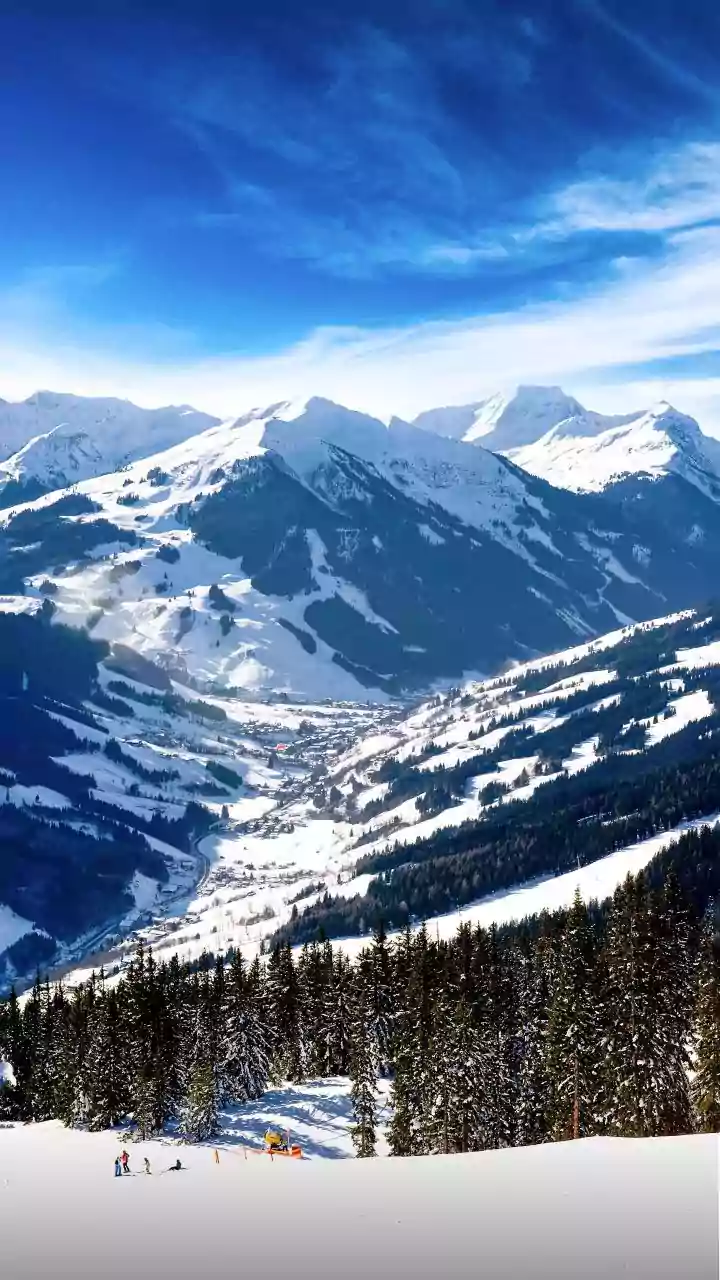
roughly from late September to early November, is often considered a golden window for visiting the high Himalayas. The rains have subsided, leaving behind lush green valleys and unparalleled mountain views under stable, clear skies. This is when the landscapes of Ladakh and Spiti transform into a canvas of rustic autumnal colours—golden yellows, oranges, and reds. However, this idyllic season comes with a significant logistical challenge. The same weather systems that clear the air also bring the first heavy snowfalls to the high passes, which can shut down vital road arteries without warning. While the monsoon rains cause landslides and washouts at lower altitudes, the post-monsoon threat is early and heavy snow at elevations above 12,000 feet.
Meet the Gatekeepers: The Border Roads Organisation
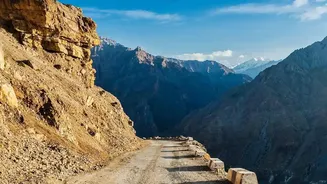
Keeping these formidable mountain roads accessible is the monumental task of the Border Roads Organisation (BRO). Established in 1960 and operating under the Ministry of Defence, the BRO is responsible for building and maintaining India's strategic border roads. Its personnel work in extreme conditions, battling freezing temperatures, low oxygen, and the constant risk of avalanches to clear tonnes of snow and repair road damage. Using heavy machinery like snowploughs and cutters, they carve paths through snow walls that can be several metres high, making passage possible for both military convoys and civilian travellers. Their work dictates the opening and closing dates of these crucial lifelines each year.
Key Passes That Shape Your Journey
Several key passes act as gateways to popular Himalayan destinations, and their status will define your travel plans. The Manali-Leh Highway, a bucket-list journey for many, involves crossing major passes like Rohtang La (now often bypassed by the Atal Tunnel for through traffic), Baralacha La, and Tanglang La. This route typically closes by late October or November. The Srinagar-Leh Highway, the other main approach to Ladakh, depends entirely on the clearance of Zoji La Pass. This pass also closes with the onset of heavy winter snow, usually by mid-November. For those heading to Spiti Valley from Manali, the operability of Kunzum La is the deciding factor, a pass that also shuts with early snowfall.
Why You Must Plan with Flexibility
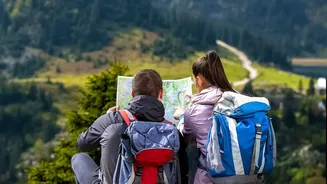
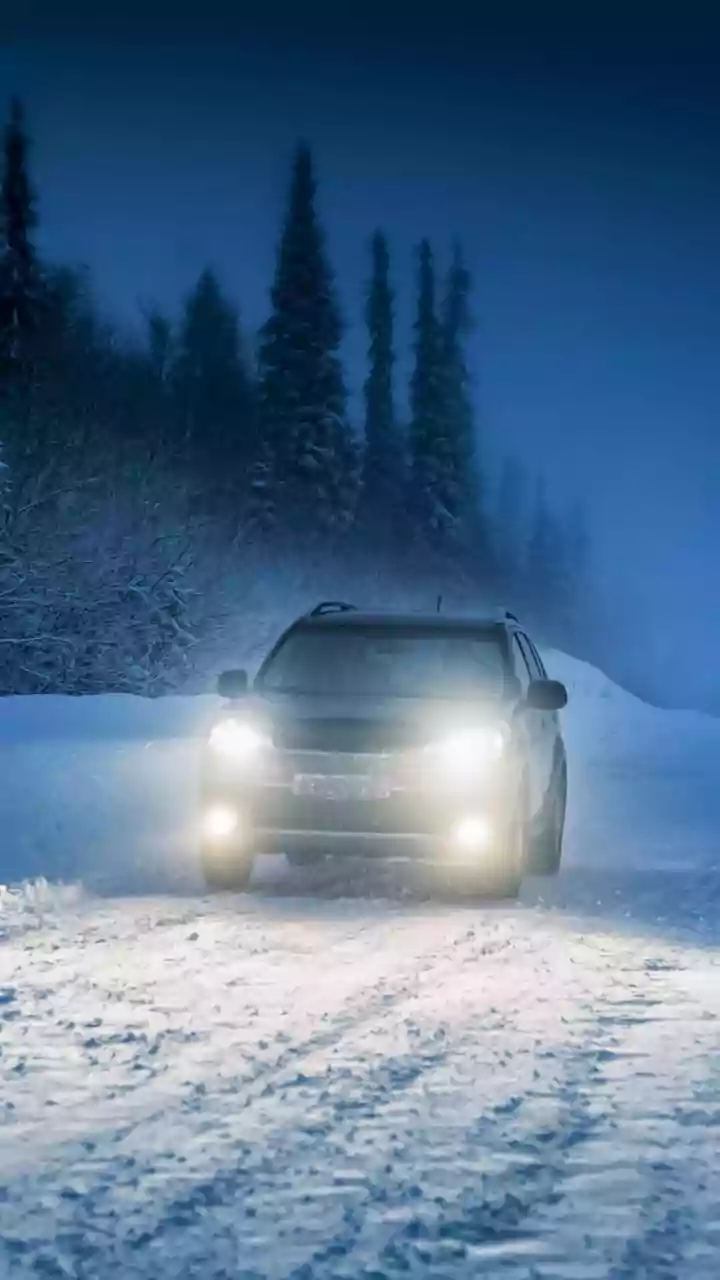
There are no fixed dates for pass closures. The final closing is entirely dependent on the weather, which is notoriously unpredictable at high altitudes. An early-season blizzard can shut a pass like Baralacha La or Zoji La for days, or even for the rest of the winter, stranding travellers. Therefore, planning a Himalayan road trip in October requires a flexible mindset and a fluid itinerary. It is essential to build buffer days into your schedule to account for potential delays. Attempting to rush through these routes late in the season is risky, as you could get stuck between blocked passes with limited access to fuel, food, or accommodation. Always have a backup plan, which could mean changing your route or being prepared to fly out if roads close permanently.
Finding Reliable, Real-Time Information
Relying on outdated information can be dangerous. Google Maps is often unreliable in these regions, routing vehicles through passes that are already officially closed. The most trustworthy sources for road status are the official social media accounts of local police departments (like Ladakh Police and Lahaul-Spiti Police) and the BRO itself, which often post daily updates. Several reputable online travel forums and social media groups managed by seasoned Himalayan travellers also provide real-time updates from people on the ground. Always cross-check information from multiple sources before and during your journey, and listen to the advice of local authorities and drivers.