





The Numbers Behind the Pressure
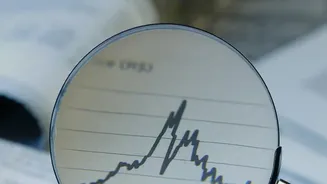
The feeling of a tightening budget isn't just a perception; it's backed by hard data. In September 2026, India's retail inflation accelerated to 5.54%, the fourth straight month it has remained above the Reserve Bank of India's 4% target. The primary
driver for this surge is food inflation, which climbed to a staggering 7.74%. Items like vegetables, pulses, and cooking oils have seen sharp price increases, directly impacting the kitchen budgets that form the core of household expenditure. This pressure is compounded by rising transportation costs, linked to volatile global fuel prices, which creates a ripple effect, making almost all goods more expensive to produce and move. For families on relatively fixed incomes, even small percentage increases in these essential categories mean a significant reduction in their disposable income.
Redrawing the Kitchen Blueprint
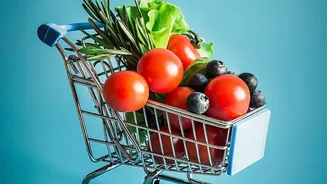
The first and most immediate battlefield for balancing the budget is the kitchen. With food costs forming a large chunk of monthly expenses, families are becoming more strategic with their grocery shopping. Many are responding by reducing the quantity of expensive items, switching to cheaper alternatives, or buying staples in bulk to lock in lower prices. The practice of 'brand-downshifting'—choosing a store's own brand over a premium one—is becoming more common. Discretionary food spending is often the first to go. This means fewer meals out at restaurants, cutting back on takeaways, and a return to home-cooked meals as the default. These aren't just financial decisions; they are lifestyle adjustments that require careful planning and compromise to ensure the family's nutritional needs are met without breaking the bank.
The Commute Calculation
Beyond the kitchen, the daily commute is another major pressure point. The rising cost of petrol and diesel directly impacts the millions who rely on two-wheelers and cars for work, school runs, and errands. In response, families are actively rethinking their travel habits. This includes forming carpools with neighbours or colleagues, making greater use of public transportation where available, and consolidating trips to get more done in a single journey. Non-essential travel, such as weekend getaways or casual drives, is often curtailed. For some, the high running cost of a personal vehicle is even prompting a longer-term re-evaluation of its necessity, weighing the convenience against the ever-increasing expense.
Postponing Dreams, Prioritizing Needs
The persistent rise in the cost of essentials has a cascading effect on a family's larger financial goals and aspirations. When more income is diverted to daily survival, there is less left for savings and discretionary spending. Many middle-income households are being forced to postpone significant life purchases and investments. This could mean delaying the purchase of a new car, putting off a home renovation, or scaling back on vacation plans. The focus shifts from long-term wealth creation to short-term financial stability. This erosion of purchasing power also affects decisions around education and healthcare, with families finding it harder to save for future needs while managing present costs. This trade-off between immediate needs and future dreams is one of the most difficult balancing acts of all.
The Search for an Extra Rupee
While cutting costs is one side of the equation, the other is increasing income. The financial strain is pushing many individuals to seek out additional sources of earnings. This can range from freelance work and tutoring to leveraging a hobby into a small home business. The goal is to create a small but crucial buffer to absorb the rising costs. This 'side hustle' culture, once seen as a way to pursue a passion or earn extra pocket money, is increasingly becoming a necessity for maintaining the family's standard of living. It highlights the immense pressure on the middle class not just to spend smarter, but also to earn more in an economic environment where real income struggles to keep pace with inflation.