



A New Kind of Satellite
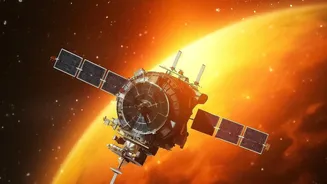
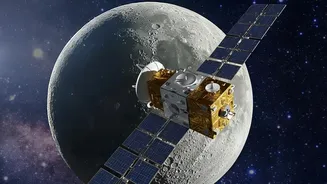
On October 1, 2026, Indian space startup TakeMe2Space is scheduled to launch its MOI-1A satellite, marking a significant milestone in the nation's space journey. This isn't just another satellite; it's a dedicated orbital computing platform. Instead of
capturing vast amounts of raw data and beaming it all back to Earth for analysis, this new mission aims to process that information directly in space using artificial intelligence. This approach, often called edge computing, is a game-changer, potentially making satellite operations faster, more efficient, and more cost-effective. The satellite, a compact 6U CubeSat weighing about 14 kg, is hitching a ride on a SpaceX Transporter-18 mission.
The Brains of the Operation
The power behind this mission lies in its advanced hardware. The MOI-1A is equipped with powerful NVIDIA Orin NX processors, capable of performing up to 117 trillion operations per second. This immense computing power allows it to run complex AI models in orbit. Customers, which already include 23 companies from sectors like agriculture, mining, and insurance, can upload their own AI models to the satellite. As the satellite passes over a specific area of interest, it uses these models to analyze imagery from its nine-band multispectral camera, sending back only the processed results and insights, not the bulky raw data files.
Why AI is the Next Frontier
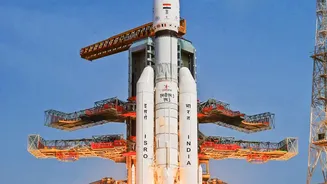
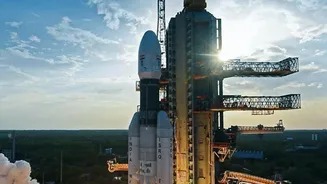
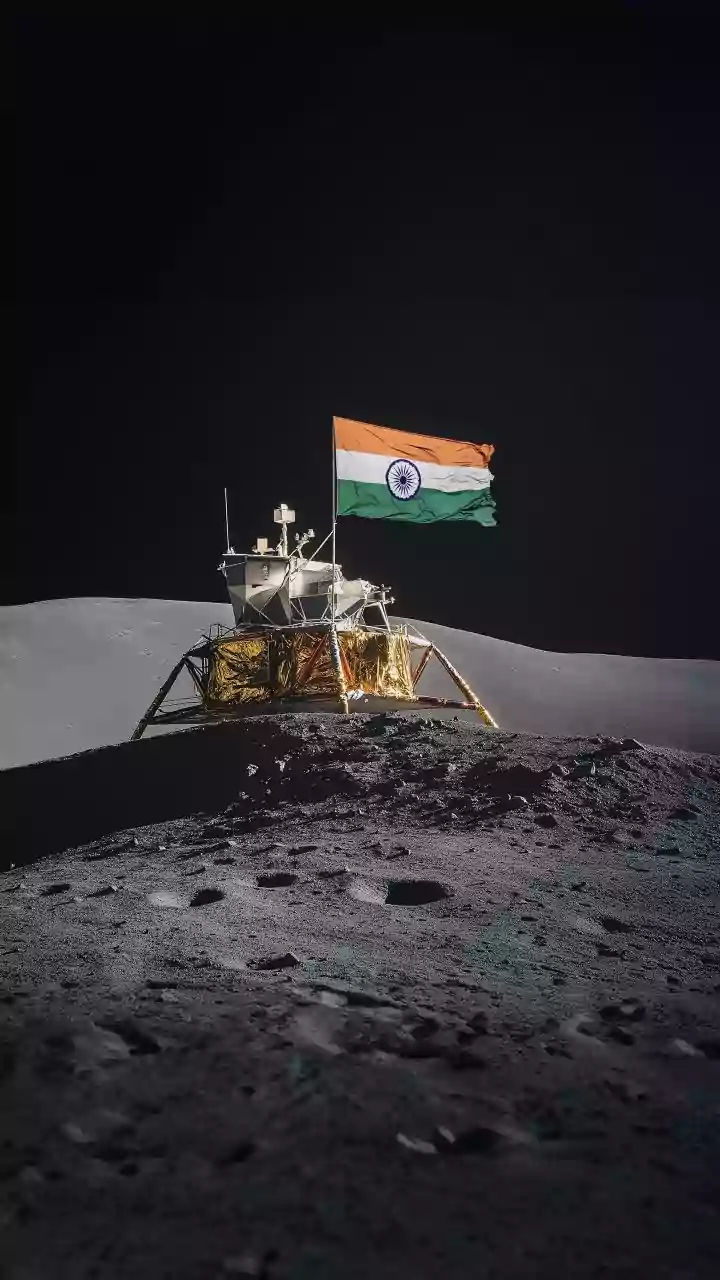
For decades, the model for space missions has been to collect data and send it home. But as we venture further and our sensors become more powerful, the sheer volume of data is becoming a bottleneck. AI offers a solution. The Indian Space Research Organisation (ISRO) has already successfully used AI and machine learning in complex missions like Chandrayaan-3, where it helped the lander identify a safe and hazard-free landing spot on the Moon. For the upcoming Gaganyaan human spaceflight mission, an AI-enabled humanoid named Vyommitra is slated to fly on an uncrewed test flight to monitor crew module conditions. These missions prove that AI is no longer theoretical but a practical and essential tool for modern space exploration.
Building a Smarter Space Program
The MOI-1A mission is a commercial venture, but it aligns perfectly with the national strategy of developing sovereign AI capabilities. ISRO has been actively fostering an ecosystem for AI development, launching challenges and research programs to encourage innovation. The long-term vision is clear: to build spacecraft that are more autonomous. This includes everything from self-diagnosing and recovering from faults to navigating complex trajectories in deep space with minimal input from ground control. Private startups like TakeMe2Space and Dhruva Space are playing a crucial role, developing technologies for onboard processing that reduce the reliance on downlinking massive datasets. TakeMe2Space already has plans for future missions that will create a networked, distributed data centre in orbit.