


From Crisis Response to Smart Strategy
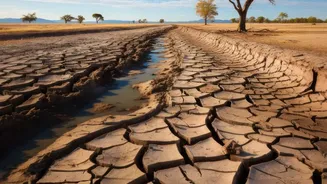
For years, the idea of a 'low-water' garden was tied to crisis: severe droughts, water rationing, and wilting plants. It was often seen as a last resort, resulting in sparse, barren-looking landscapes. However, a significant shift is underway. Gardeners
and landscape designers are now embracing xeriscaping—a method of creating water-wise gardens—as a proactive, intelligent strategy. This approach goes beyond simply planting a few cacti; it involves thoughtful design, smart plant choices, and efficient techniques to create a garden that is both resilient and beautiful, irrespective of the season's rainfall. It's a move from reacting to water scarcity to building a landscape that is permanently less thirsty and more in tune with our climate.
More Than Just Water Savings
The most obvious benefit of low-water gardening is, of course, reduced water consumption, which can lower utility bills significantly. Some well-designed landscapes can cut outdoor water use by 50-75%. But the advantages don't stop there. These gardens are dramatically lower in maintenance. Less water means fewer weeds, and using native, climate-adapted plants reduces the need for fertilizers and pesticides. This not only saves you time and money on upkeep but also creates a healthier environment by minimizing chemical runoff. Furthermore, by incorporating native species, these gardens provide crucial habitats for local wildlife, attracting birds, bees, and butterflies, thus boosting local biodiversity.
Smarter Techniques for a Thriving Garden
Creating a low-water garden is about working smarter, not harder. A key technique is mulching—covering the soil with a layer of organic material like wood chips or dry leaves. Mulch acts like a protective skin, locking in moisture, suppressing weeds, and keeping the soil cool. Another crucial step is improving your soil with compost to enhance its water-holding capacity. When it comes to watering, efficiency is everything. Drip irrigation or soaker hoses deliver water directly to the plant roots with minimal loss to evaporation, unlike traditional overhead sprinklers. Finally, grouping plants with similar water needs, a practice known as hydrozoning, ensures that each plant gets the right amount of water without wasting any on its less thirsty neighbours.
Your Champions: Low-Water Plants for India
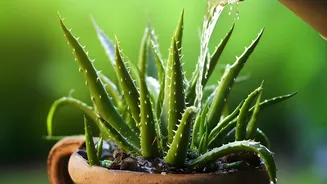
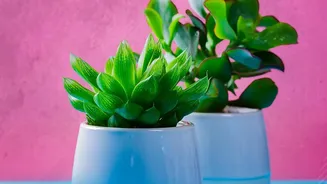
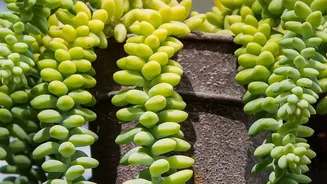
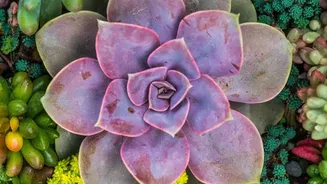
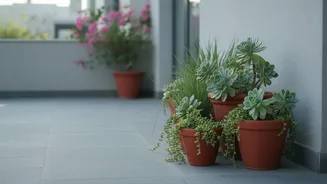
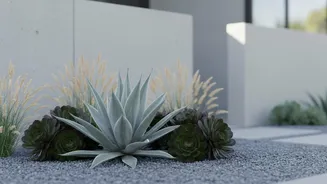
The success of a low-water garden hinges on choosing the right plants. Fortunately, India has a vast palette of beautiful and resilient native and adapted species that thrive in our diverse climates. For vibrant colour, Bougainvillea is a classic choice, known for its heat resistance and minimal water needs. Succulents like Aloe Vera and Agave offer striking architectural forms and are incredibly self-sufficient. Many familiar plants are surprisingly drought-tolerant once established, including Neem, Tulsi (Holy Basil), and Lemongrass. Flowering shrubs like Lantana, Ixora, and Oleander can provide long-lasting blooms with very little care. For ground cover, look to options like Portulaca (Moss Rose), which blankets the ground in bright flowers and thrives in hot, dry conditions.
Redefining Garden Beauty
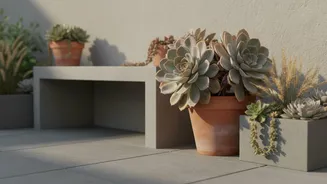
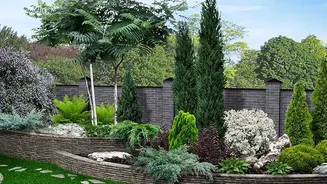
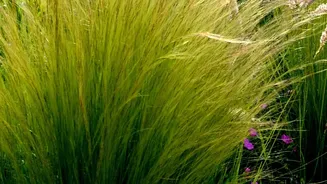
Adopting a low-water approach doesn't mean sacrificing beauty; it means redefining it. Instead of a uniform green lawn, which is one of the most water-intensive features in a garden, imagine a tapestry of textures, colours, and forms. Think of the silvery foliage of a sage plant next to the deep green of a succulent, or the delicate flowers of a native grass swaying in the breeze. These gardens have a unique, dynamic character that changes with the seasons. They celebrate the resilience and natural elegance of plants that belong in their environment. This is a shift towards creating landscapes that are not only visually appealing but also tell a story of sustainability and harmony with the local climate.