



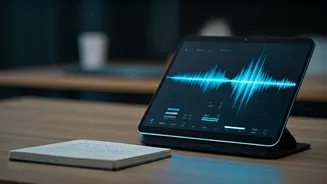


The End of the Meeting Memo?
For decades, the minutes of the meeting (MoM) and the subsequent detailed report have been cornerstones of corporate communication. They are tedious to create and often difficult to digest. A junior team member is typically tasked with capturing every
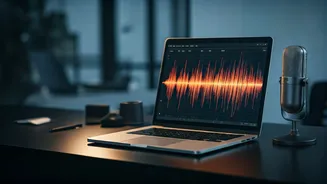
key point, a process fraught with potential for human error, misinterpretation, and delay. The final document, once circulated, often lands in an inbox, is briefly skimmed, and then archived, rarely to be seen again. Now, a seismic shift is underway, powered by artificial intelligence. Companies are increasingly bypassing this manual, time-consuming process in favour of automated AI voice transcription. Instead of a summarised, subjective report, teams get a complete, searchable, and objective record of the conversation within minutes of a meeting ending.
More Than Just Words on a Page
The primary benefit is speed. A multi-page report that might take hours or even days to write, review, and approve is replaced by a transcript generated in near real-time. This immediacy accelerates project timelines and decision-making. But the advantages go far beyond just saving time. AI transcripts create a 'single source of truth' that is both searchable and verifiable. Need to confirm what a client committed to three weeks ago? A simple keyword search can pull up the exact quote and its context, eliminating 'he said, she said' disputes. This technology also promotes inclusivity. Team members who couldn't attend a meeting, or those who simply want to review a complex discussion, can access the full conversation at their own pace, ensuring everyone is on the same page.
The Tools Behind the Transformation
A new generation of AI-powered tools is driving this revolution. Platforms like Otter.ai, Fireflies.ai, and Microsoft Teams' native transcription services have become sophisticated digital assistants. The process is remarkably simple: the AI tool is invited to a virtual meeting (or can record an in-person one) just like any other participant. It listens, identifies different speakers, and generates a time-stamped transcript. Users can then click on any part of the text to hear the original audio, ensuring accuracy. These platforms are no longer niche novelties; they are integrating directly into the workflows of major collaboration suites like Zoom, Google Meet, and Slack, making their adoption almost seamless for businesses already operating in these ecosystems.
Navigating the Indian Corporate Landscape
For companies in India, the adoption of this technology comes with a unique set of considerations. The most significant challenge has been the ability of AI models to accurately transcribe diverse Indian accents and the common practice of 'code-switching' between English and regional languages. Early versions of these tools struggled, producing garbled and unreliable text. However, AI models are learning fast. Many leading platforms have invested heavily in training their systems on vast datasets of Indian speech, dramatically improving accuracy. Another critical concern is data privacy and security. Companies must ensure that their sensitive conversations are being processed and stored by transcription services that comply with global and local data protection regulations. It's crucial for IT departments to vet these tools for security protocols before widespread deployment.
From Transcript to Actionable Intelligence
The true power of this technology lies not just in transcription but in analysis. The most advanced AI notetakers are evolving into business intelligence platforms. They can automatically generate concise summaries of long meetings, highlighting the most important topics discussed. They can identify and assign action items to specific individuals, complete with deadlines mentioned during the call. Some can even perform sentiment analysis, providing insights into the mood of a meeting or a client's tone during a sales call. This transforms a simple transcript from a passive record into a dynamic tool that actively pushes projects forward. The focus shifts from merely documenting what was said to understanding its meaning and driving the next steps.