






More Than a Post-Meal Habit
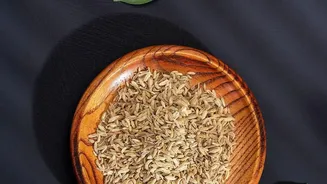
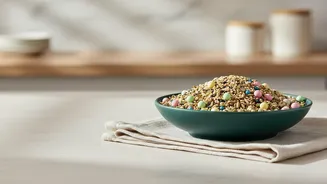
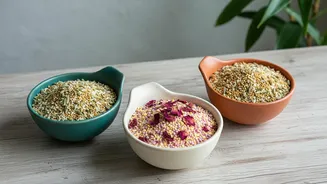
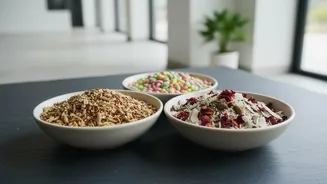
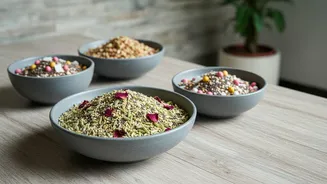
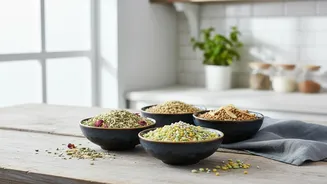
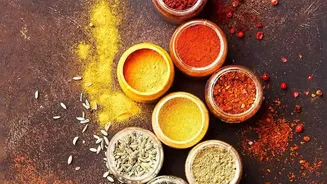
For generations, mukhwas has been an integral part of Indian culture. A colourful medley of seeds like fennel and coriander, often coated in sugar, it serves as a digestive aid and a palate cleanser after a heavy meal. Served from a simple bowl at home
or offered at the exit of a restaurant, it’s a gesture of care and tradition. However, despite its cultural significance, the mukhwas market has largely remained unorganised, dominated by local vendors with inconsistent quality and basic packaging. For years, it was a product of habit rather than a branded consumer good, a corner of the FMCG world that time seemed to have forgotten.
A Generational Refresh
That is, until now. A new generation of entrepreneurs is looking at the traditional mukhwas bowl and seeing a massive opportunity. This shift is part of a broader trend where startups are reviving traditional Indian foods by giving them a modern identity. Tapping into the growing consumer demand for wellness, clean labels, and premium products, these founders are asking a simple question: why can’t a mouth freshener be as healthy and well-branded as a breakfast cereal or a protein bar? They recognize that many conventional mukhwas mixes contain ingredients like excess sugar or areca nut (supari), which don't align with modern health-conscious lifestyles. This created a clear market gap for a product that honours tradition while meeting contemporary standards of health and hygiene.
From Family Recipes to D2C Brands
One of the leading names in this new wave is Joyspoon, a direct-to-consumer (D2C) brand founded by husband-and-wife duo Yash and Vaishali Mehta. Inspired by the homemade, supari-free mukhwas Vaishali’s family made, they launched their brand to offer a hygienic and premium alternative. Their mission is to take an indigenous product to the global stage, much like how other brands reinvented traditional beverages. Similarly, The Betel Leaf Co., founded by Prem and Payal Raheja, is redefining the closely related paan market. By securing significant funding and becoming India's first FSSAI-certified online paan company, they are organizing an unorganized sector through technology, hygiene, and product innovation.
Not Your Grandmother’s Mukhwas
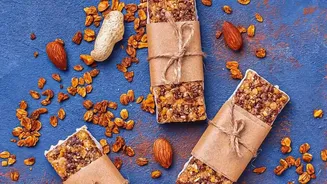
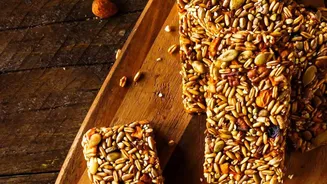
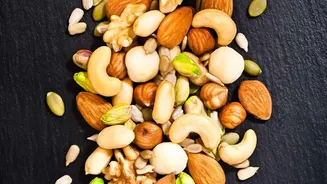
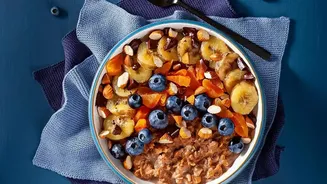
So, what makes these new-age mouth fresheners different? The innovation starts with the ingredients. Startups like Joyspoon are ditching artificial flavours and high sugar content for natural, functional components. Their product lines include flavour profiles like 'Almond Delight', 'Granola & Berries', and 'Dryfruit Millet', effectively turning mukhwas into a healthy snack. Some brands are even creating functionality-based mixes, such as 'Relief Munch' and 'Digest Fiesta', specifically designed to aid digestion and reduce acidity. The innovation isn't limited to mukhwas. The Betel Leaf Co. is developing products like an 'ARID paan' with a nine-month shelf life and a digestive tea made from betel leaves, completely changing the perception of a perishable product.
Packaged for a New Generation
In an era where consumers often discover products on social media, branding and packaging are just as important as the ingredients. These youth-led startups have mastered the art of modern aesthetics. Gone are the generic plastic pouches. In their place are sleek, beautifully designed jars and resealable packets that look good on a kitchen counter or in an office drawer. The branding tells a story of quality, transparency, and a modern lifestyle. By leveraging D2C websites and quick commerce platforms, these companies are reaching a younger, urban demographic that values convenience and is willing to pay a premium for products they trust. This strategy is proving successful, with brands like Joyspoon reporting remarkable growth and attracting investor funding.