





Beyond the Familiar Favourites
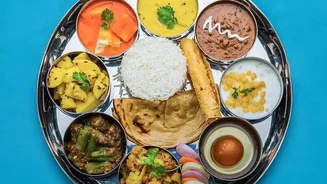
For decades, restaurant menus across India's cities felt strikingly similar. Whether in Delhi, Mumbai, or Bengaluru, the offerings were often dominated by a standard line-up of butter chicken, dal makhani, and paneer tikka. While beloved, this limited
selection represented only a fraction of India’s vast culinary heritage. Today, that is changing rapidly. Diners are actively seeking dishes with deeper stories and more distinct flavours. This curiosity is pushing restaurants to look beyond the mainstream and explore the rich tapestry of the country's food traditions. The result is a dining landscape where authenticity and novelty are becoming the main attractions, leading to the rediscovery of India's own culinary roots.
A Renaissance of Regional Cuisine
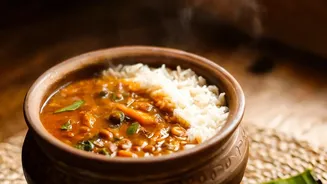
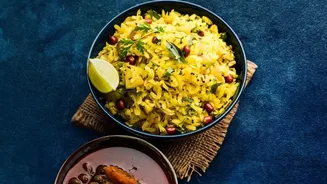
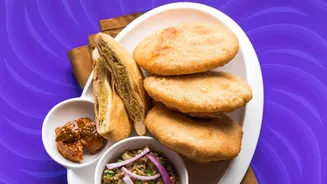
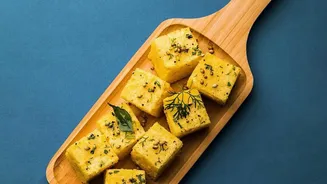
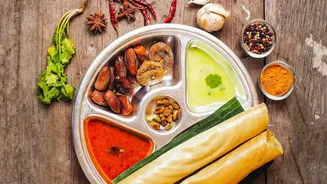
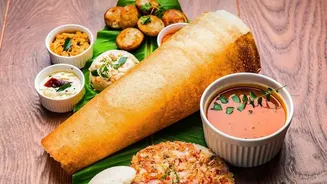
The biggest trend in Indian food today is the rise of hyper-regional cuisines, once confined to home kitchens and local communities. Restaurants are now proudly showcasing specific culinary traditions, from the smoky pork and bamboo shoot dishes of Nagaland to the coconut-rich seafood curries of Kerala and the complex spice blends of Chettinad. This shift is driven by several factors. For the millions who move to cities for work and education, it offers a taste of home and a powerful sense of nostalgia. For others, it’s a journey of discovery, fuelled by travel and the endless stream of food content on social media. Chefs are also playing a crucial role, travelling to remote villages to learn from local cooks and preserve forgotten recipes, presenting them in modern, elevated formats.
The World on an Indian Plate
Alongside this inward-looking trend is an exploding appetite for authentic global flavours. Indian diners, more globally exposed through travel and media, are moving beyond the old staples of Indo-Chinese and basic pasta. The current demand is for more specific and authentic international experiences. Korean cuisine, in particular, has seen a massive surge in popularity, with everything from Korean BBQ to kimchi becoming mainstream favourites, largely thanks to the influence of K-dramas and K-pop. Similarly, Japanese ramen, Vietnamese pho, and Middle Eastern specialties like shawarma and hummus are no longer niche interests but are thriving in cities and even smaller towns. New restaurants are blending international concepts, like Mexican-Peruvian Nikkei, with local ingredients, creating an exciting and fluid dining culture.
The Digital Drivers of Taste
This culinary expansion would be unimaginable without the power of social media. Platforms like Instagram and YouTube have become the new food search engines, especially for younger generations. A viral reel can turn a little-known regional dish or a street food vendor into an overnight sensation. People now “eat with their eyes,” and restaurants are designing dishes and even their decor to be as visually appealing as they are delicious. This digital ecosystem has empowered home cooks to become influencers, made street food a global spectacle, and given diners a direct window into the culinary traditions of faraway places. Food is no longer just about taste; it has become about connection, content, and cultural discovery.