


The Science of Stress and Calm
When we're stressed, our bodies release a hormone called cortisol, triggering a 'fight or flight' response that can lead to anxiety and scattered thoughts. Yoga helps counter this by activating the parasympathetic nervous system, which is responsible
for rest and relaxation. The combination of physical poses, controlled breathing, and mindfulness helps lower cortisol levels, calming the nervous system and creating a sense of peace. This shift from a state of high alert to one of tranquility not only reduces anxiety but also frees up mental resources, allowing for better concentration and memory retention.
Cat-Cow Stretch (Marjaryasana-Bitilasana)
This gentle, flowing movement is perfect for releasing tension in the spine and neck after long hours of sitting. Start on your hands and knees, with wrists under your shoulders and knees under your hips. As you inhale, drop your belly, lift your chest and look forward (Cow Pose). As you exhale, round your spine toward the ceiling and tuck your chin to your chest (Cat Pose). Connecting your breath to the movement is key. This simple sequence calms the mind, improves posture, and brings a sense of fluidity back to a stiff body.
Child's Pose (Balasana)
Child's Pose is a deeply restorative posture that signals to your brain that it's time to rest. Kneel on the floor, touch your big toes together, and sit back on your heels. Fold forward, resting your torso between your thighs and your forehead on the floor. You can keep your arms stretched out in front of you or rest them alongside your body. This pose gently stretches the hips and back while quieting the mind. It's an excellent go-to when you feel overwhelmed and need a quick, grounding reset.
Tree Pose (Vrksasana)
Building focus often requires practice, and balancing poses are a physical way to train your concentration. Stand tall and shift your weight onto one foot. Place the sole of your other foot on your ankle, calf, or inner thigh, avoiding the knee joint. Bring your hands together at your heart. Finding a fixed point to gaze at will help you maintain your balance. Holding this pose requires your full attention, which trains your mind to stay present and patient—skills that are directly transferable to studying.
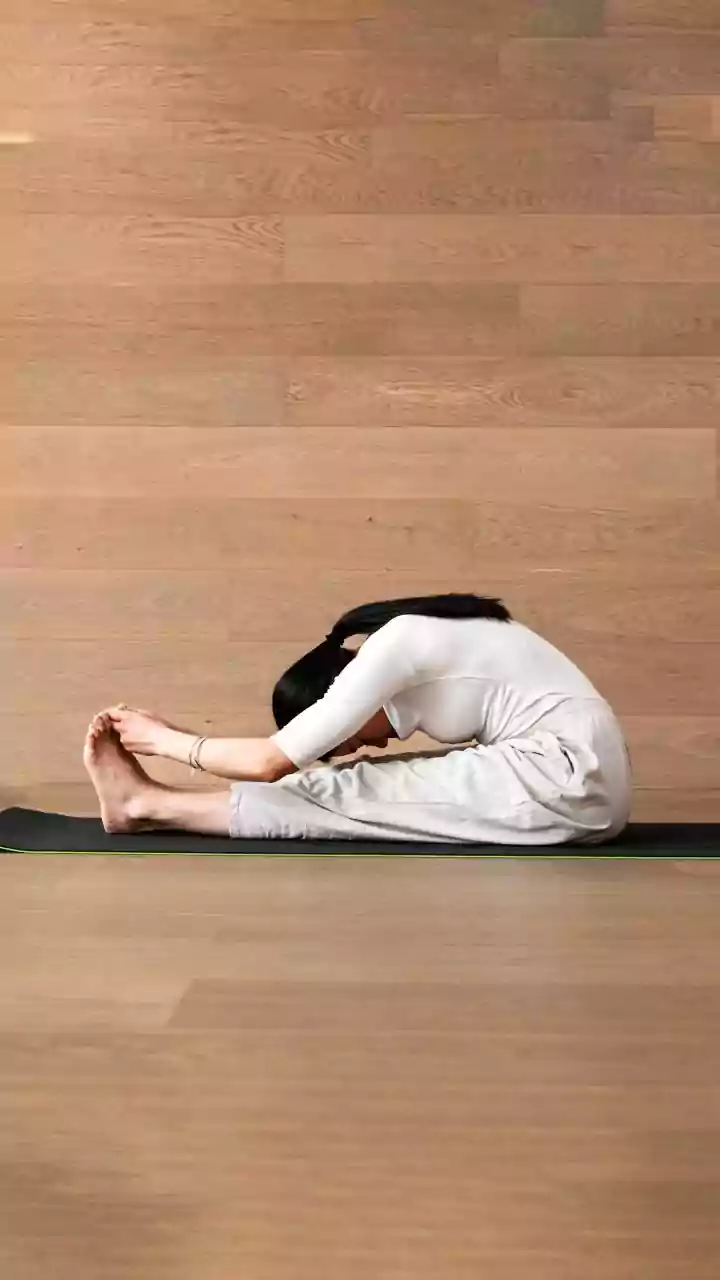
Standing Forward Bend (Hastapadasana)
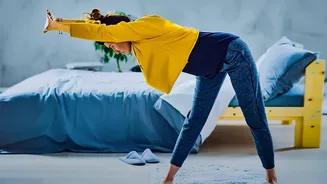
This pose is fantastic for increasing blood flow to the brain, which can help invigorate your mind and relieve mental fatigue. Stand with your feet together, and as you exhale, hinge at your hips to fold forward. Let your head hang heavy and try to release any tension in your neck and shoulders. You can bend your knees as much as you need to. This inversion has a calming effect on the nervous system and provides a great stretch for the entire back of the body, which often gets tight during long study sessions.
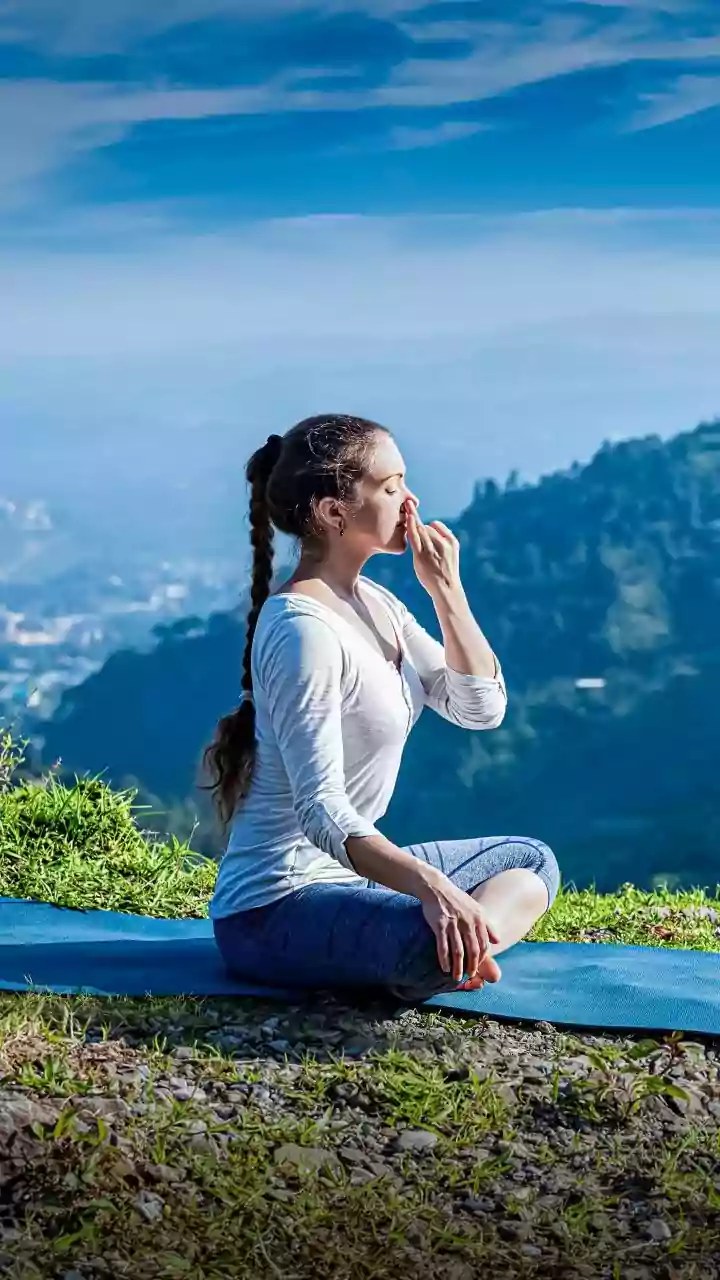
Simple Belly Breathing (Diaphragmatic Breathing)
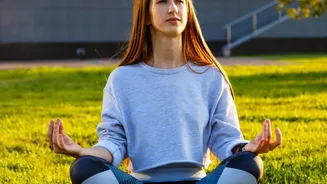
You don't even need a yoga mat for this one. Sit comfortably in a chair or on the floor. Place one hand on your stomach. Breathe in slowly through your nose for a count of four, feeling your stomach expand like a balloon. Hold for a moment, then breathe out slowly through your mouth for a count of six. This technique is incredibly effective at activating the relaxation response and can be done right at your desk before an exam or during a study break to instantly reduce feelings of anxiety.