



The Real Enemies of Freshness
Before we can protect our food, we need to understand what we're fighting against. The two primary enemies of texture and freshness are air and moisture. When food is exposed to air, a process called oxidation begins. This chemical reaction is what makes
fats go rancid, causes discoloration, and degrades flavors. Moisture is the other major factor. Unwanted moisture can turn crunchy biscuits and chips into a soggy mess, while moisture loss can make leftovers dry and unappetising or cause freezer burn on frozen goods. Freezer burn happens when moisture on the food's surface turns directly into ice crystals, leaving behind dehydrated, tough patches. Both of these enemies work by changing the food's structure on a microscopic level, which we perceive as a loss of desirable texture.
Why the Seal Is Your First Line of Defence
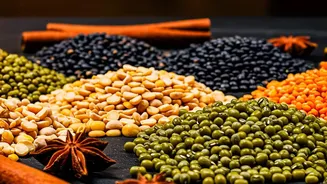
This is where a good seal becomes the hero of your kitchen. An effective, airtight seal creates a secure barrier that dramatically slows down the effects of both air and moisture. By keeping oxygen out, it inhibits the oxidation that ruins flavor and prevents the growth of microorganisms like bacteria and mould that need oxygen to thrive. At the same time, it traps the food's natural moisture inside, keeping it tender and fresh. For dry goods like grains, spices, and crackers, the seal's job is to prevent outside humidity from getting in, which is especially important in India's monsoon season. This simple mechanism is what keeps your namkeen crunchy and your stored rice firm. A truly airtight container essentially creates a controlled micro-environment for your food, protecting it from the fluctuating conditions outside.
So, Does Container Thickness Matter?
While the seal is the most critical element for preserving texture, the thickness and material of the container do play a supporting role. A thicker container provides better insulation, which can help protect food from rapid temperature changes. This is beneficial for frozen items, helping to slow down the freeze-thaw cycles that can ruin texture. Thicker walls also offer more physical protection, preventing chips and crackers from being crushed. However, without a proper seal, even the thickest container is just a sturdy box letting in the very air and moisture that will degrade your food. Think of it this way: a thick wall might protect a fort from cannonballs, but it's useless if the main gate is left wide open. The seal is the gate, and keeping it shut is paramount.
A Quick Guide to Effective Seals
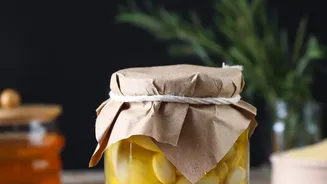
When you're choosing containers, pay close attention to the lid's design. The best seals often involve a gasket—a ring typically made of silicone or rubber that lines the lid. This gasket compresses against the rim of the container to create a tight closure. Lids with four-sided locking clamps are excellent at ensuring even pressure all around the rim. Screw-top lids, like those on mason jars, can also be very effective, especially for liquids and pantry staples like rice and dal. For next-level preservation, vacuum sealing is the gold standard. This method involves a machine that actively removes almost all the air from the bag or container before sealing it, offering superior protection against oxidation and freezer burn. While not necessary for everyday leftovers, it's a worthwhile investment for long-term storage of meats or seasonal produce.
Putting It Into Practice
To make the most of your containers, a few best practices can help. First, always let hot food cool down before sealing it. Sealing hot food traps steam, which will condense into water and make your food soggy. For anything you want to keep crispy—from fried snacks to fresh salad greens—you can even place a small paper towel at the bottom of the container to absorb any excess moisture. When storing liquids like soups or dals, look for containers that are explicitly labelled 'leakproof', as this is a separate quality from being airtight. An airtight container prevents air exchange while sitting on a shelf, but a leakproof one is designed to hold its seal even when tilted or jostled during transport.