






An Act of Selfless Service
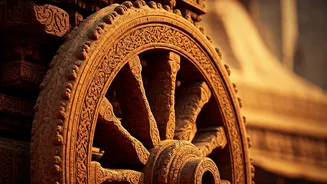
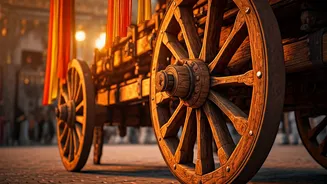
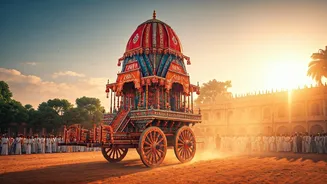
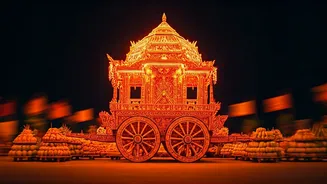
At its heart, pulling the chariot is an act of ‘seva’—selfless service. In the philosophy of Bhakti Yoga, devotion is not a passive feeling but an active expression. Holding the rope and pulling is a physical manifestation of one's faith. It’s a tangible
way to connect with the divine, transforming physical exertion into a spiritual offering. For devotees, every tug on the rope is a prayer, a way of saying, “I am here for you.” This act of surrendering personal effort to a higher purpose can be incredibly liberating. The focus shifts from the self and its anxieties to the collective goal of moving the Lord’s chariot, creating a space for inner quiet.
The Power of Collective Energy
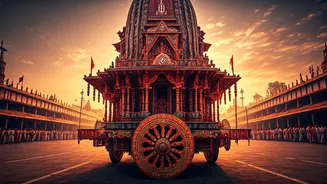
Imagine the energy of millions of people focused on a single, sacred task. The air on the Grand Road thrums with chants, bells, and a shared sense of purpose. This is more than just a crowd; it's a living, breathing organism of faith. Psychologists speak of ‘collective effervescence’—a feeling of unity and transcendence that arises during group rituals. When you pull the rope, you are no longer an individual struggling alone. You are part of a massive current of humanity, your small effort amplified by a million others. This experience can dissolve the ego, making personal worries seem insignificant in the face of such a powerful, shared identity and creating a feeling of being part of something much larger than oneself.
A Journey with the Divine
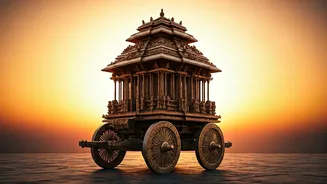
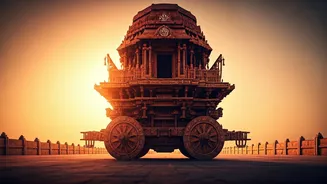
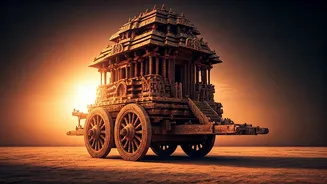
The Rath Yatra is unique because it is one of the few times the deities leave the temple's inner sanctum to meet the public. Lord Jagannath, the ‘Lord of the Universe’, comes out onto the street, erasing all distinctions of caste, creed, and status. By pulling the chariot, devotees are not just moving a wooden structure; they are actively participating in the divine journey. The ritual is a powerful metaphor for life itself—the struggle, the effort, and the forward momentum towards a spiritual goal. Being a part of this sacred procession, even for a moment, feels like you are helping guide the divine presence in the world, which can bring an unparalleled sense of purpose and peace.
The Grace of Darshan
Central to the experience is ‘darshan’—the act of seeing and being seen by the deity. It is a moment of profound connection. As the chariots move, devotees strain for a glimpse of the large, captivating eyes of Lord Jagannath. This is believed to be a moment of immense grace, where blessings are received directly. The act of pulling the chariot often brings a devotee closer, enabling this precious darshan. The overwhelming feeling of having made a personal connection with the divine, facilitated by one's own physical effort, is often described as a moment of pure bliss and tranquility, washing away mental clutter.
A Meditative Break from Modern Life
In our daily lives, our minds are constantly pulled in a hundred different directions. The chariot pulling ritual offers a powerful antidote. The physical strain, the roar of the crowd, and the singular focus required to pull the ropes together create an all-consuming present moment. There is no space for worrying about pending bills, office deadlines, or personal conflicts. For that period, your entire being—mind and body—is engaged in one sacred activity. This state is akin to deep meditation, where the constant chatter of the mind is silenced. This sudden quiet is often what people interpret as ‘instant’ peace—a profound and welcome break from the relentless noise of modern existence.