

The Dangers of a Downpour
For container plants, overwatering is a serious risk. Unlike plants in the ground, their roots are confined to a pot where excess water can quickly accumulate. When soil becomes waterlogged, it cuts off oxygen supply to the roots, essentially drowning
them. This leads to a condition called root rot, a fungal disease that causes roots to become dark, soft, and unable to absorb nutrients. The initial signs can be misleading. Leaves may turn yellow or brown, and the plant might wilt as if it's thirsty, even when the soil is wet. This is because the damaged roots can no longer function properly. You might also notice fungus gnats hovering around your pots or a musty smell from the soil, both tell-tale signs that your plants are getting too much water.
Understanding Vertical Protection Panels
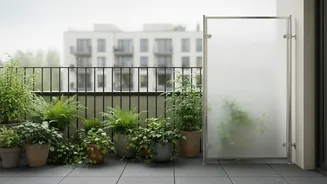
The term 'modular vertical protection panels' describes a versatile solution rather than a single specific product. The concept is simple: create a physical barrier to shield your plants from excessive rainfall. 'Vertical' means the panels stand upright, protecting plants from the side, which is how rain often hits an exposed balcony. 'Modular' means you can add, remove, or reconfigure them as needed. This adaptability is perfect for a balcony, allowing you to protect sensitive plants during a storm and remove the panels to let the sunshine in when the weather clears. These panels can be bought or made from various materials, including clear polycarbonate sheets, acrylic, or even heavy-duty waterproof fabric stretched over a frame.
How Panels Shield Your Garden
The primary function of these panels is to deflect heavy, driving rain away from your pots. By placing them on the exposed sides of your balcony or around a specific group of vulnerable plants, you effectively create a mini-rain shelter. This gives you complete control over how much water your plants receive. During a prolonged monsoon downpour, you can keep your plants almost entirely dry, allowing you to water them manually according to their specific needs. This prevents the soil from becoming saturated day after day, which is the main cause of root rot. For DIY enthusiasts, creating a frame from PVC pipes or wooden stakes and attaching a clear plastic sheet or tarp can be an effective and affordable solution. The key is to ensure the structure is secure enough to withstand wind.
Choosing Your Panels: DIY vs. Store-Bought
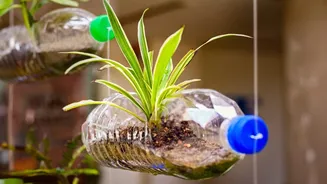
For a DIY approach, you have endless options. Corrugated plastic, clear vinyl sheeting, and even repurposed materials like old plastic trays can be fashioned into effective rain covers. These can be attached to balcony railings or staked directly into larger planters. The main benefit of DIY is cost and customisation; you can build something that perfectly fits your space. On the other hand, several commercial products serve a similar purpose. Small, portable greenhouse kits, cold frames, or even large, sturdy umbrellas designed for patios can work well. You can also find modular privacy screens made from weather-resistant materials that can double as rain protection. While more expensive, these options are often more durable and easier to set up and store.
Additional Tips for Water Management
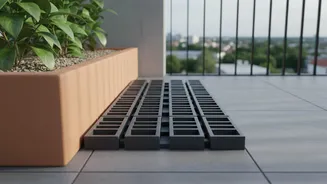
While panels are a great defence against downpours, good drainage is your first line of defence. Always use pots with drainage holes. Elevating your pots on small feet or trays also helps ensure water can escape freely and prevents them from sitting in a puddle. Furthermore, applying a layer of mulch, like wood chips or straw, on top of the soil can help absorb some impact from heavy rain and prevent soil erosion. Finally, get into the habit of checking the soil moisture with your finger before watering. Never water on a fixed schedule, as the weather will dictate your plants' needs. If the top inch or two of soil is dry, it's time to water; if it's damp, wait another day.