




Why the Sudden Green Thumb?
The trend of urban farming is blossoming across India's metro cities, and Chennai is no exception. For many apartment residents, starting a small herb garden is a response to the desire for a closer connection to nature amidst the urban hustle. It is a simple,
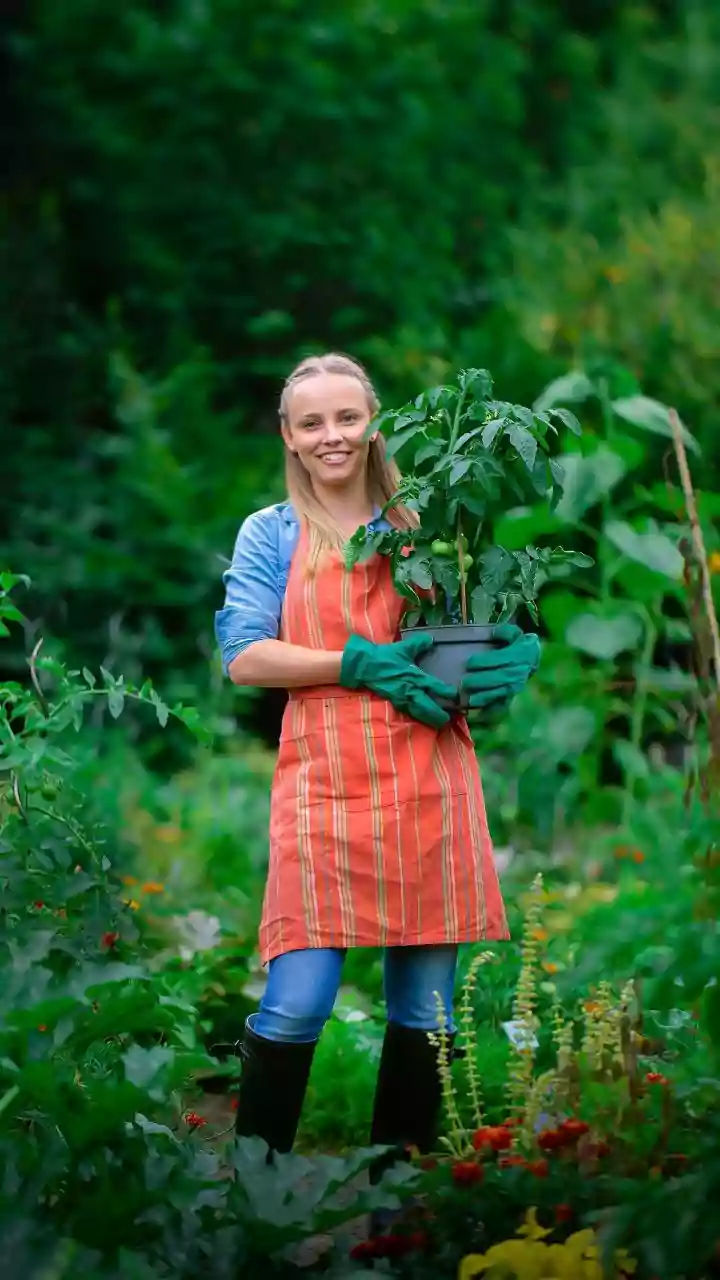
affordable way to cultivate a green hobby. The appeal lies in its accessibility; you don't need a sprawling backyard, just a pot, some soil, and a sunny spot. This movement is also driven by a growing interest in food sources, with home-grown herbs offering the assurance of being fresh and free from pesticides. Beyond the practicalities, tending to plants provides a documented boost to mental well-being, offering a calming daily ritual that reduces stress and fosters a sense of accomplishment.
Herbs That Love the Chennai Heat
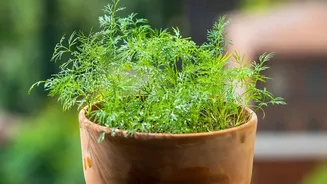
Chennai's tropical climate, with its characteristic heat and humidity, is ideal for a variety of flavourful herbs that are staples in Indian cooking. Choosing the right plants is the key to a successful balcony garden. Some of the easiest and most rewarding herbs to grow include holy basil (tulsi), which is revered for its medicinal properties and thrives in the sun. Mint (pudina) is another fast-growing option that spreads quickly and is perfect for chutneys and cooling drinks. Coriander (dhania) and curry leaves (kadi patta) are essential kitchen ingredients that grow well in pots with adequate sunlight. For those who enjoy aromatic teas, lemongrass is a hardy choice that flourishes in Chennai’s weather. These plants are not only adapted to the local conditions but also provide a steady supply for daily culinary needs.
Your Balcony Garden Starter Kit
Starting your own herb garden is simpler and more affordable than you might think. First, assess your space. Observe your balcony to see how many hours of sunlight it receives, as most herbs need at least four to six hours daily. Next, gather your containers. You can use anything from traditional clay pots, which help keep roots cool, to recycled plastic containers or grow bags. For soil, a mix of red soil, compost (like vermicompost), and cocopeat works well to retain moisture without becoming waterlogged — a crucial factor in Chennai's climate. You can buy seeds or, for an easier start, purchase small saplings from a local nursery. Start small with just a few plants to get a feel for the process before expanding.
More Than Just a Garnish
The benefits of a balcony herb garden extend far beyond the kitchen. These small green patches act as mini ecosystems, purifying the air and contributing to a cooler micro-environment around your home. Reports from the Chennai Urban Farming Initiative (CUFI) have shown that rooms below gardens can be several degrees cooler. For families with children, it's a wonderful hands-on tool to teach them about where food comes from. The act of nurturing a plant from seed to harvest is deeply rewarding. It’s a sustainable practice that reduces your carbon footprint by minimizing food miles and can even lower your grocery bills. Various community initiatives and workshops are also emerging, helping residents connect and share their gardening journey.
Tips for a Thriving Garden
Maintaining a healthy herb garden in an apartment involves a few key practices. Watering is crucial; check the soil daily and water when the top inch feels dry, preferably in the evening to allow for better moisture retention. Be careful not to overwater, as this can lead to root rot. During the peak summer months from March to June, using a shade cloth can protect delicate plants from the harsh afternoon sun. To maximize a small space, consider vertical gardening techniques with wall-mounted planters or tiered stands. Finally, regularly harvesting your herbs by snipping off leaves encourages fuller growth, ensuring you have a continuous and flavourful supply for your kitchen creations.