








Beyond Diabetes: A New Wellness Frontier
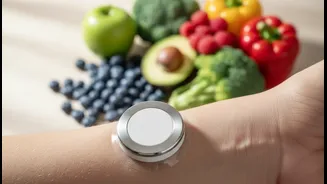
You may have seen them on social media influencers or elite athletes: a small, disc-shaped device worn on the upper arm. This is a continuous glucose monitor, or CGM. Traditionally a vital tool for people with diabetes to manage their insulin levels,
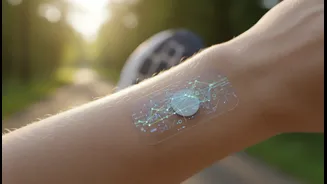
CGMs are now being adopted by a new demographic: healthy individuals looking to optimise their well-being. These devices work by using a tiny, flexible sensor inserted just under the skin to measure glucose in the interstitial fluid, the liquid surrounding your cells. This data is then sent to a smartphone app every few minutes, providing a constant stream of information about how your body’s blood sugar levels respond to food, exercise, stress, and sleep. The trend is fuelled by a growing desire for personalised health data and a proactive approach to wellness. With some CGMs recently gaining over-the-counter approval from regulators like the U.S. FDA, access has broadened significantly.
The Promise: Hacking Your Metabolism
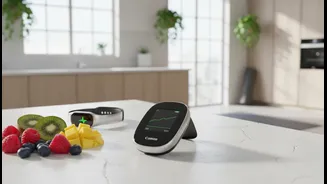
Why would a healthy person want to track their glucose? Proponents argue that it offers an unprecedented window into your personal metabolism. The promise is that by understanding exactly how a specific meal or workout affects your blood sugar, you can make smarter choices to improve energy levels, enhance athletic performance, manage weight, and potentially prevent metabolic issues down the line. For example, you might discover that your seemingly healthy breakfast smoothie is causing a sharp glucose spike and subsequent crash, leaving you tired and craving snacks by mid-morning. Armed with this data, you could tweak the recipe, perhaps by adding more protein or fibre, and immediately see a more stable glucose response. Companies like Levels, Nutrisense, and Ultrahuman have emerged to cater to this market, often pairing a CGM with sophisticated apps and nutritionist support to help users interpret their data and make actionable lifestyle changes.
What the Experts Say
The medical community has a mixed, and cautious, perspective. Many endocrinologists and dietitians acknowledge the potential for CGMs to motivate positive behavioural changes. For individuals with prediabetes or conditions like Polycystic Ovary Syndrome (PCOS), this biofeedback can be a powerful educational tool. However, experts also warn that CGMs are not diagnostic tools for diabetes. There is also a significant risk of misinterpretation. Minor glucose fluctuations are a perfectly normal part of a healthy person's metabolism. Without professional guidance, users might develop unnecessary anxiety about these normal variations, leading to a state of 'data-overload' or alarm fatigue. Some healthcare professionals argue that for most healthy people, the benefits may not outweigh the costs and potential psychological downsides.
The Downsides: Cost and Obsession
The pursuit of personalised data comes at a price. In India, a single CGM sensor, which typically lasts for 14 days, can cost several thousand rupees, making it a significant recurring expense for non-medical use as it's generally not covered by insurance. Beyond the financial cost, there is a growing concern about the psychological impact. Constant monitoring can foster an unhealthy fixation on food and data, potentially triggering or exacerbating health anxiety or disordered eating patterns. The quest for a 'perfect' flat glucose line is not only unrealistic but also unhealthy, as the body is designed to have gentle rises and falls in blood sugar. There is a fine line between being informed and becoming obsessed, and it's a line that personal glucose tracking can easily blur.