






An Orbit Every 90 Minutes
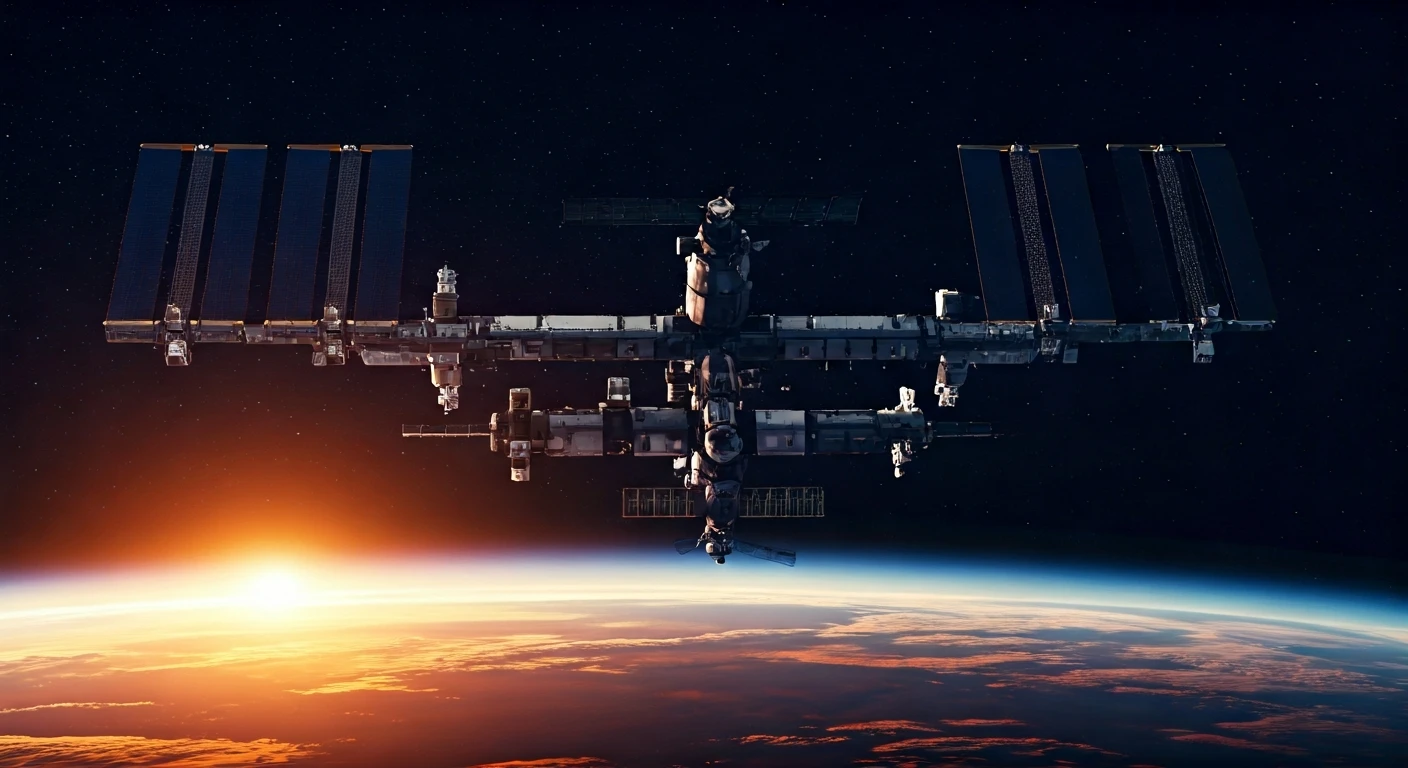
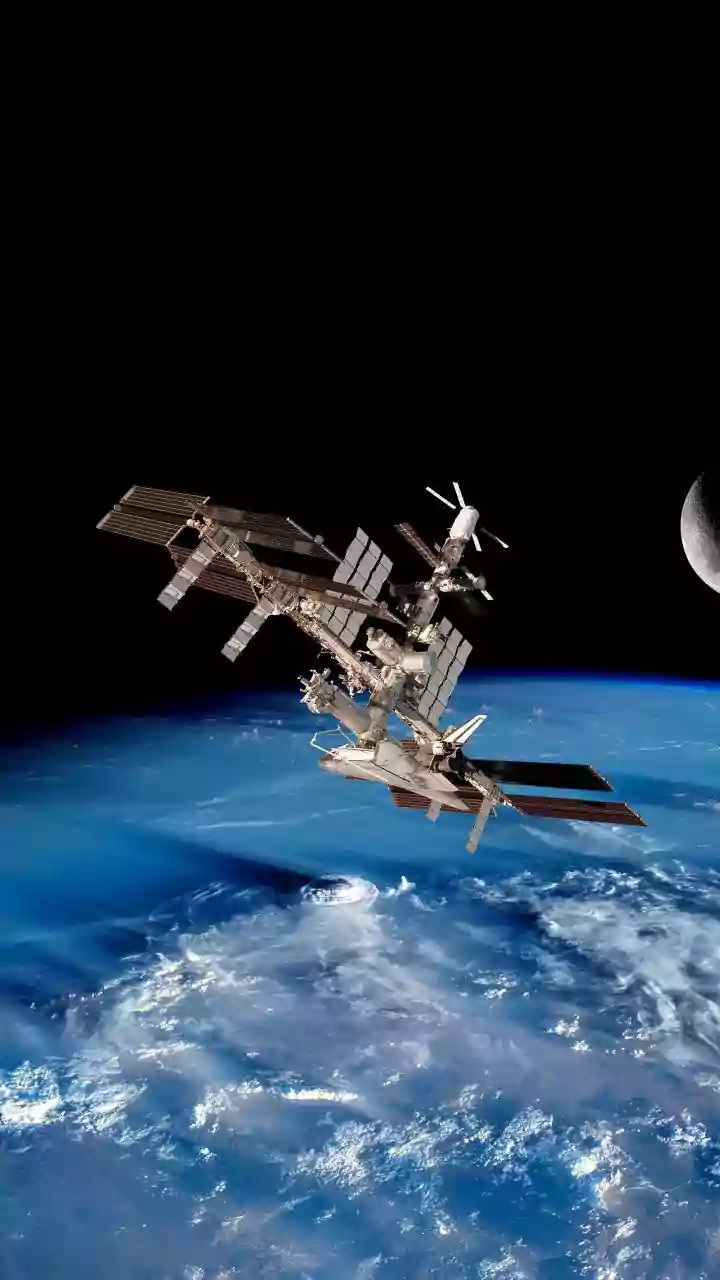
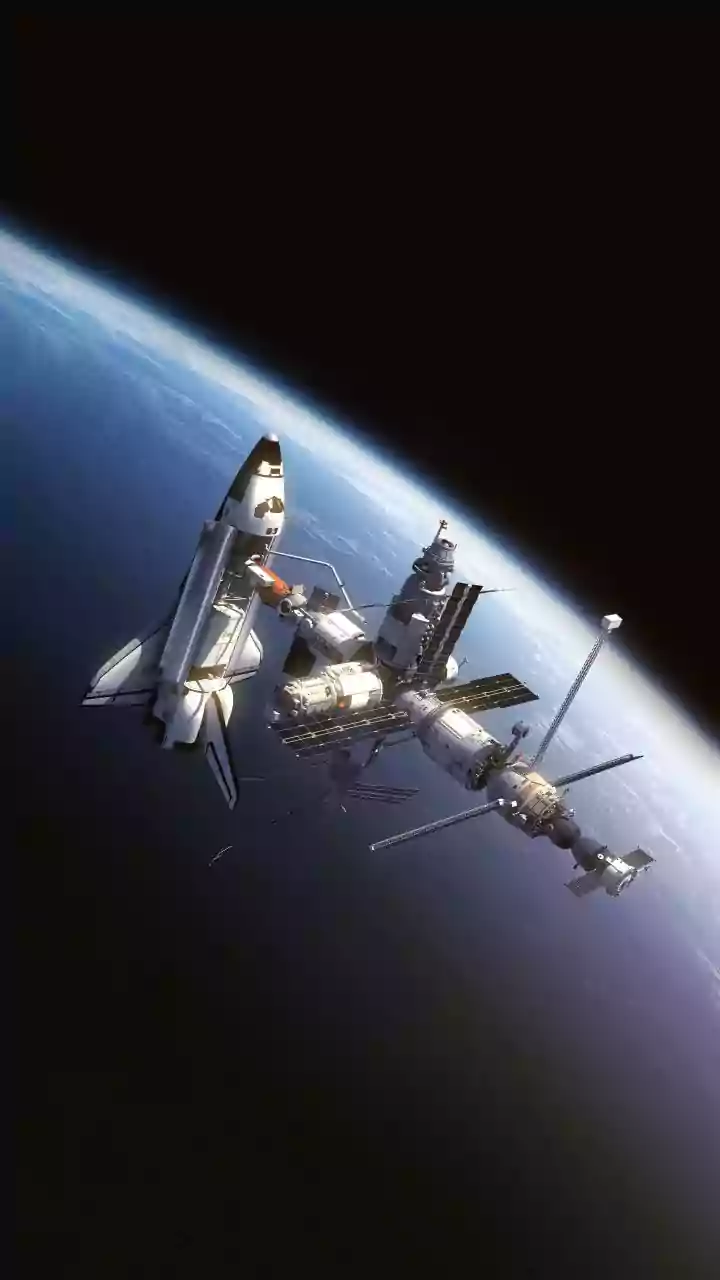
The incredible phenomenon of 16 sunrises in a single 24-hour period is a matter of simple, yet mind-bending, physics. The International Space Station orbits Earth at an altitude of about 400 kilometres. To stay in orbit and counteract Earth's gravity,
it has to travel at a blistering speed of roughly 28,000 kilometres per hour. At this velocity, the station completes a full lap around our planet approximately every 90 to 93 minutes. As the ISS hurtles through space, it continuously passes from the Earth's shadow into sunlight and back again. Each time it crosses this line, known as the terminator, the crew witnesses a sunrise or a sunset. With an orbit taking about an hour and a half, the maths works out to about 15 or 16 of these day-night cycles every 24 hours.
What a High-Speed Sunrise Looks Like
On Earth, a sunrise is a gentle, prolonged event. It can take several minutes for the sun's disk to clear the horizon, with colours shifting gradually. In orbit, the experience is dramatically compressed. Astronauts describe the entire event, from the first sliver of light to full day, as lasting less than a minute. The sun appears to leap over the horizon rather than slowly rise. From the station's Cupola, a seven-windowed observation module, crew members see the thin, vibrant band of Earth's atmosphere light up in brilliant blues and oranges before the sun bursts into view. Then, about 45 minutes later, they plunge back into darkness for another 45-minute night, watching city lights and lightning storms flicker across the darkened globe below.
The Ultimate Form of Jet Lag
While visually spectacular, experiencing 16 sunrises a day wreaks havoc on the human body's internal clock. Our bodies are governed by circadian rhythms, 24-hour cycles that regulate sleep, hormone production, and core body temperature, primarily cued by sunlight. Bombarding this finely tuned system with a 90-minute day-night cycle causes significant disruption. Astronauts frequently suffer from sleep deprivation and circadian misalignment, which can lead to fatigue, degraded cognitive performance, and long-term health risks. Studies show that even with a structured schedule, astronauts often average only about six hours of sleep per night, well short of the recommended eight.
How to Trick Your Body Into a 24-Hour Day
To counteract this biological confusion, space agencies have developed clever strategies to create a sense of a normal day on the ISS. The entire station operates on Coordinated Universal Time (UTC) to provide a consistent schedule for the international crew and mission control centres. Astronauts have dedicated sleep stations, which are small, private compartments where they strap into a sleeping bag. They use eye masks and cover windows to block out the frequent sunrises. In recent years, the station's lighting has been upgraded to a smart LED system that changes colour temperature throughout the day—shifting from bluer, more alerting light in the “morning” to warmer, redder tones in the “evening” to help regulate melatonin production and signal to the body when it's time to rest.
A View That Changes Everything
Despite the physiological challenges, the experience is profoundly moving for those who witness it. Astronaut Sunita Williams has described the view as both "beautiful" and "surreal". Seeing so many cycles of light and dark gives a unique perspective on the planet. This recurring, rapid-fire view of Earth from above often inspires what is known as the "overview effect"—a cognitive shift reported by many astronauts, who feel an overwhelming sense of the planet's fragility and the unity of humanity. They may have to fight for a good night's sleep, but the reward is a perspective that few people will ever have, seeing the world not as a collection of countries, but as a single, glowing orb in the vastness of space.