




What is an Ornamental Pineapple?
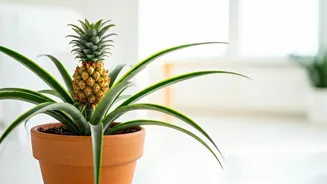
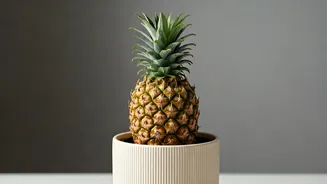
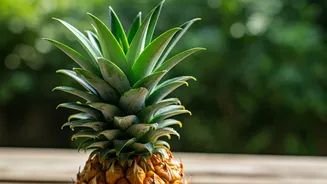
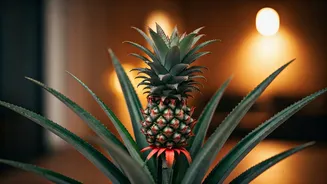
An ornamental pineapple, or Ananas comosus, is a member of the bromeliad family, just like the fruit you buy at the market. However, these varieties have been specifically bred for their unique appearance rather than for large, edible fruit. They feature
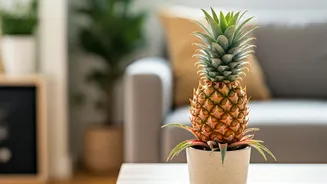
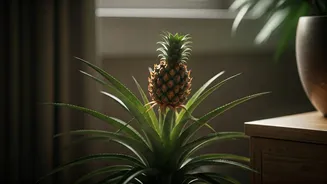
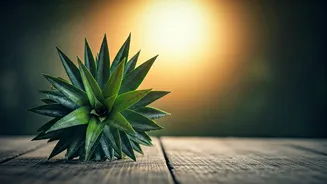
the same iconic rosette of spiky leaves but are often more compact, with some varieties boasting striking variegated foliage in shades of green, cream, or even pink. Topping it all off is a miniature pineapple, making it an instant conversation starter and a living piece of decor.
A Tropical Vibe with Minimal Fuss
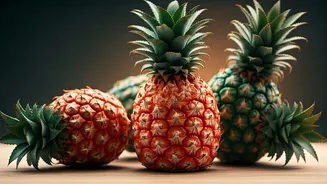
One of the biggest draws of the ornamental pineapple is its ability to bring an exotic, tropical feel to your space without demanding a lot of work. They are surprisingly easy to care for, making them suitable for both seasoned plant parents and beginners. The key is to mimic their native tropical environment. They crave warmth and light to thrive and produce their signature fruit. But the big question everyone asks: can you eat the tiny fruit? While technically edible, they are not cultivated for taste and are often described as tough or bland. It's best to enjoy this plant for its beauty, not its flavour.
Finding the Perfect Spot
Light is the most critical factor for a happy pineapple plant. They need at least six hours of bright, indirect sunlight each day. Placing your plant near a south or west-facing window is ideal. If it doesn't get enough light, the leaves may become pale, and it might not produce a fruit. While they love sunshine, be mindful that intense, direct midday sun can sometimes scorch the leaves, especially on variegated types. Consistent warm temperatures, ideally between 20°C and 30°C, will keep it comfortable.
Watering and Feeding 101
Overwatering is a common mistake with bromeliads. These plants hate having soggy roots. A good rule of thumb is to water thoroughly only when the top inch or two of soil feels dry. Allow the pot to drain completely after watering. During the warmer growing seasons of spring and summer, you can also pour a little water into the central cup (or 'urn') formed by the leaves, but be sure to flush it regularly to prevent stagnation. To support its growth, feed your plant with a balanced liquid fertiliser every few weeks during spring and summer, reducing the frequency in the cooler months.
The Circle of Life: Pups and Propagation
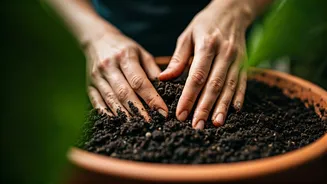
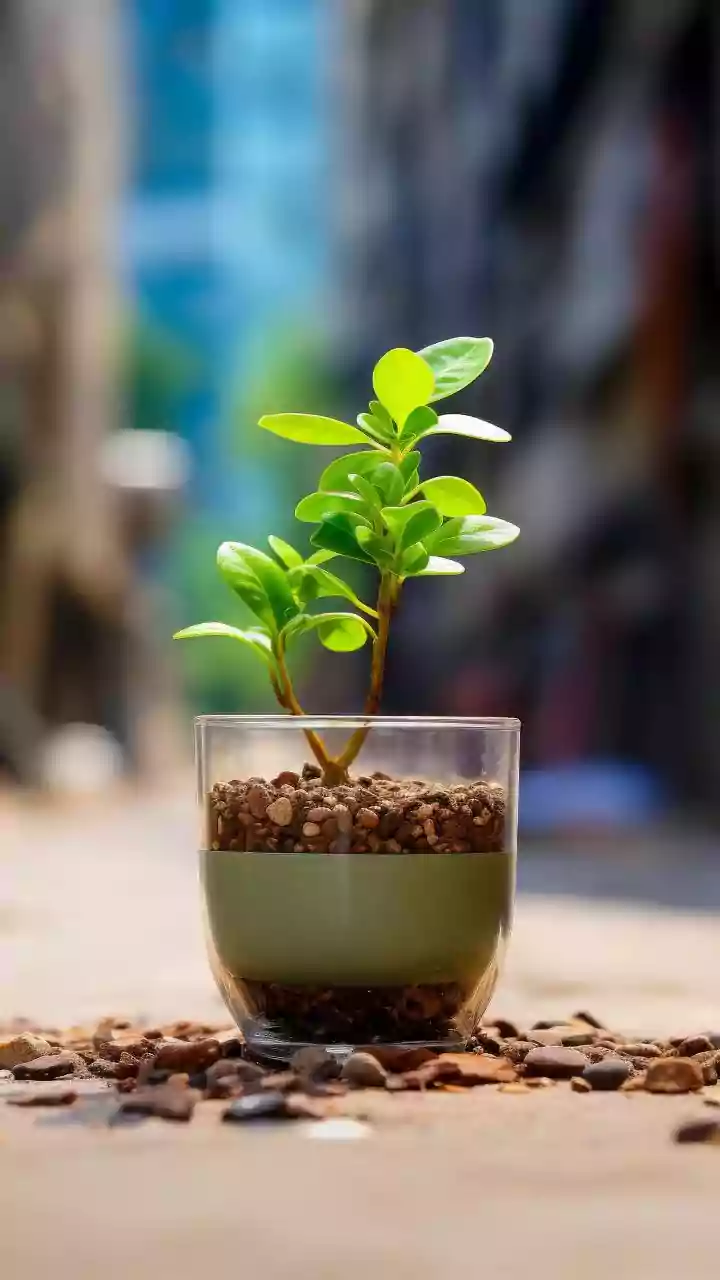
A pineapple plant typically flowers and fruits only once in its life. After the fruit matures, the main mother plant will gradually begin to fade. But this isn't the end! Before it does, it will produce offshoots at its base called 'pups' or 'suckers'. These are essentially new baby plants. Once a pup is about one-third the size of the mother plant, you can carefully separate it. Let the base of the pup dry for a day or two to prevent rot, and then plant it in its own pot. With this simple process, you can have a continuous supply of these fascinating plants.