


The Promise of a Cheaper Battery
For years, the electric vehicle revolution has been powered by lithium-ion batteries. While effective, they rely on materials like lithium and cobalt, which are expensive, geographically concentrated, and come with environmental and supply chain concerns.
This has kept EV prices stubbornly high, especially for the entry-level segment in India, where the battery can account for 40-50% of the vehicle's total cost. Sodium-ion batteries present a compelling alternative. They work on a similar principle of moving ions between electrodes but replace expensive lithium with abundant and cheap sodium. Sodium is one of the most common elements on Earth, found readily in seawater, which dramatically reduces raw material costs and bolsters India's energy security by reducing dependence on imports.
India's 'Make in India' Power Play
Several Indian companies are racing to commercialise sodium-ion technology, aligning with the nation's 'Make in India' initiative. Conglomerates like Reliance New Energy, through its acquisition of UK-based Faradion, and startups like Sodion Energy and Indi Energy are making significant strides. Recent government reports are highly encouraging. As of August 2026, Indian researchers have advanced sodium-ion technology to a high level of maturity (TRL 7), which means a system prototype has been successfully demonstrated in an operational environment. Experts project that the transition from pilot projects to commercial production could happen within the next two to three years, creating a new investment cycle in manufacturing and energy infrastructure.
Understanding the Performance Trade-Offs
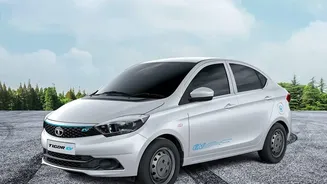
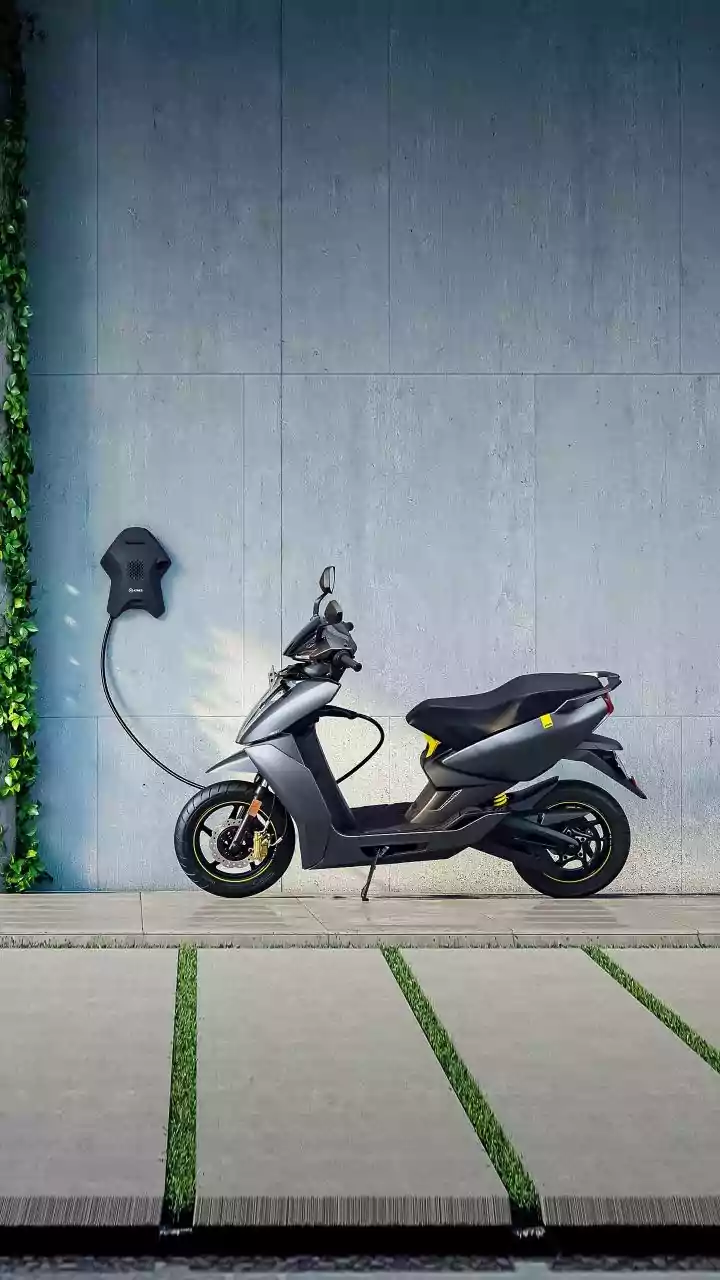
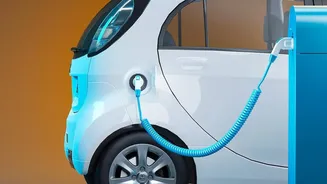
While the cost benefits are clear, sodium-ion batteries come with a key trade-off: lower energy density. In simple terms, they store less energy per kilogram compared to their lithium-ion counterparts. This means that for the same size battery, an EV would have a shorter driving range. However, this isn't necessarily a dealbreaker. For the intended market of entry-level city cars and electric two-wheelers, a slightly lower range is often perfectly acceptable, especially when balanced against a significantly lower purchase price. Furthermore, sodium-ion technology offers other advantages, including better safety due to greater thermal stability and superior performance in extreme cold, a notable benefit for various Indian climates.
What This Means for Car Buyers
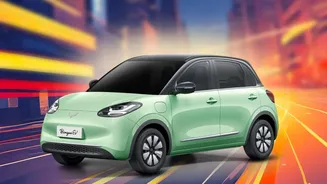
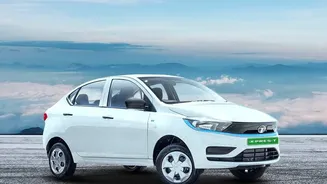
The most exciting prospect is a substantial drop in the sticker price of entry-level EVs. Industry estimates suggest that mass production of sodium-ion cells could make them 30-40% cheaper than current lithium-ion options. This saving would be passed directly to the consumer, potentially making entry-level electric cars cheaper than their petrol or diesel equivalents, even without subsidies. While mass-market EVs powered exclusively by sodium-ion are still a few years away, the technology is no longer theoretical. Chinese automakers have already started rolling out small city cars with sodium-ion batteries, demonstrating their viability. As Indian companies like KPIT Technologies, Reliance, and Indi Energy scale up production, consumers can realistically expect to see more affordable EV options in showrooms in the near future.