

The Seasonal Dilemma
In today's cities, we are accustomed to finding most produce available year-round, shipped from across the country or the globe. Yet, nothing compares to the taste, nutrition, and affordability of locally sourced, seasonal fruits and vegetables. The problem
is their short-lived appearance. That brief period of abundance for juicy raw mangoes, tangy gooseberries (amla), or crisp winter carrots is often over in a flash, leaving us with less flavorful, transported alternatives for the rest of the year. This is where a tradition, honed over centuries in Indian households, offers a sustainable and delicious solution.
A Legacy in a Jar
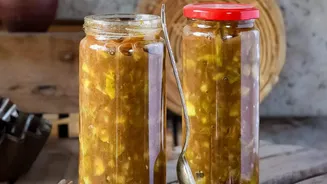
Long before refrigerators became a kitchen staple, our ancestors mastered the art of preservation out of necessity. Pickling (making 'achaar'), creating fruit preserves ('murabba'), and sun-drying were not just culinary techniques but essential survival skills. They allowed families to stretch a bountiful harvest through lean seasons, ensuring both food security and a diverse diet. This age-old wisdom, passed down through generations, transforms seasonal produce into shelf-stable condiments that can liven up a simple meal of dal and rice months after the harvest has ended. This tradition is more than just a recipe; it's a ritual that connects us to the rhythms of nature.
The Simple Science of Preservation
The magic behind these traditional methods is rooted in simple science. The primary goal is to create an environment where spoilage-causing microbes like bacteria and mold cannot thrive. This is achieved in a few key ways. Salt is a star player, drawing moisture out of both the produce and the microbes through osmosis, effectively dehydrating and killing them. Sugar, when used in high concentrations for jams and murabbas, works similarly by binding up water, making it unavailable for microbial growth. Edible oils, commonly used in achaars, form a protective layer that blocks contact with air and moisture. Finally, acids from ingredients like vinegar, lemons, or the natural fermentation process lower the pH, making the environment inhospitable for harmful bacteria.
From Raw Mangoes to Spicy Chillies
India's diverse climate offers a vibrant palette for the pickle maker throughout the year. Summer is synonymous with the king of pickles: the raw mango ('aam ka achaar'). Its firm, sour flesh is perfect for absorbing a fiery mix of mustard oil, fennel, and chilli. As the seasons change, so do the ingredients. Monsoon brings opportunities to pickle ginger and chillies, whose pungent flavours cut through the humidity. Winter offers a bounty of vegetables like carrots, turnips, and cauliflower, often fermented in brine with mustard seeds to create a tangy, probiotic-rich condiment. Beyond the usual suspects, regional traditions also celebrate unique ingredients like tart karonda berries, amla, and even lotus stem.
A Modern Urban Revival
In recent years, there has been a significant resurgence of interest in these traditional practices among urban Indians. Driven by a desire for cleaner, healthier eating and a rejection of mass-produced foods laden with artificial preservatives, many are turning to their own kitchens. Making condiments at home provides complete control over ingredients, allowing for less salt, high-quality oils, and no chemical additives. It's also a powerful way to reduce food waste, support local farmers during peak season, and reconnect with culinary heritage. This revival is not just about nostalgia; it's a practical, sustainable choice that brings profound flavour and health benefits, from gut-friendly probiotics in fermented pickles to the rich antioxidants preserved from fresh produce.