



The Plant-Protein Puzzle
The push towards plant-based diets for health and environmental reasons is stronger than ever. In India, legumes have long been a cornerstone of daily meals, but with growing nutritional awareness, the debate intensifies: which protein source is superior?
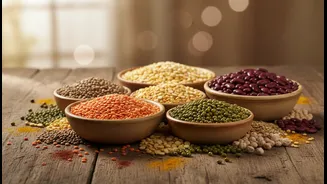
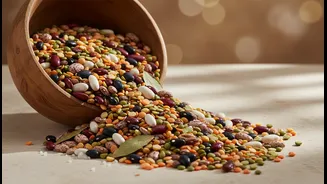
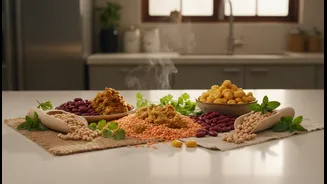
Soy, a versatile global favourite; beans like rajma, a comfort food staple; and chana (chickpeas), the hero of countless dishes, are all front-runners. While all are celebrated for their health benefits, recent scientific insights reveal they each have unique strengths.
The Case for Soy
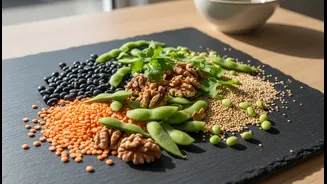
Soy is often called the king of plant proteins, and for good reason. It is one of the few plant-based foods that is a complete protein, meaning it contains all nine essential amino acids that the body cannot produce on its own. A cup of boiled soybeans packs a formidable 31 grams of protein, significantly more than its counterparts. Soybeans are also rich in healthy fats, including omega-3 and omega-6 fatty acids, which support heart and brain health. Furthermore, they contain unique compounds called isoflavones, which have been studied for their potential role in hormonal balance and reducing the risk of certain chronic diseases.
The Brilliance of Beans
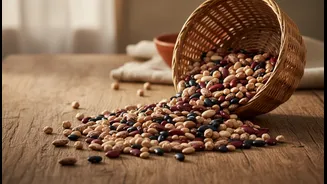
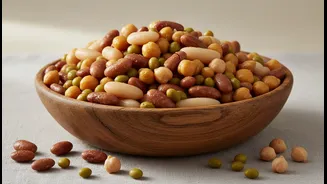
When we talk about beans, we're referring to a diverse family including kidney beans (rajma), black beans, and pinto beans. Their primary claim to fame is their incredible fiber content. This fiber is crucial for digestive health, helps stabilize blood sugar levels, and can aid in lowering cholesterol. While not typically a complete protein on their own, beans become complete when paired with grains like rice—a classic combination in many Indian meals. They are also packed with essential minerals like potassium, magnesium, and iron, which are vital for functions like maintaining healthy blood pressure.
Championing Chana (Chickpeas)
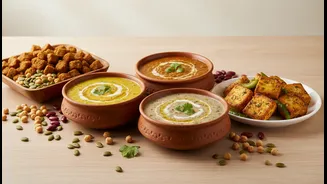
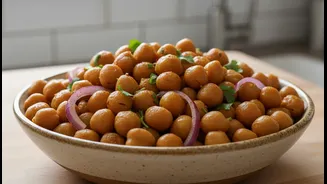
Chana, or chickpeas, hold a special place in Indian cuisine, from chana masala to hummus. Nutritionally, chana offers a balanced profile. While it has less protein than soy, with about 14.5 grams per cooked cup, it provides more than many other legumes. Like other beans, chickpeas are not a complete protein on their own, as they are low in the amino acid methionine. However, this is easily remedied by pairing them with grains or seeds. Where chana truly shines is its high fiber content and low glycemic index, making it an excellent choice for weight management and blood sugar control. Chickpeas are also a good source of manganese and folate.
What The Latest Science Suggests
Recent studies continue to underscore the benefits of shifting towards plant-based proteins, noting improvements in heart health and longevity. When comparing these three powerhouses, the "best" choice isn't straightforward. For pure protein density and muscle synthesis, soy often has a slight edge due to its complete amino acid profile and higher overall protein content. However, studies comparing plant and animal protein sources for muscle building have found the differences can be small, especially for younger adults. For gut health and blood sugar regulation, the high fiber in beans and chana makes them outstanding contenders. A comparative analysis highlights that while soy is richer in protein, vitamins like K and B2, and minerals like calcium, chickpeas contain more carbohydrates and fiber. Ultimately, the source of plant protein is part of a larger food matrix, where the combination of fiber, protein, and other micronutrients work together to provide health benefits.
The Verdict: Which Is Best For You?
The truth is, there’s no single winner. The ideal choice depends on your personal health goals. If your primary goal is maximizing protein intake for muscle building, soy and its derivatives like tofu and tempeh are excellent choices. If you are focused on digestive health, managing blood sugar, or feeling full for longer, the high-fiber content of beans and chana makes them a perfect fit. The most effective strategy, as suggested by nutritional science, is not to pick one but to embrace variety. Combining these legumes in your diet ensures you get a wide spectrum of amino acids, fibers, vitamins, and minerals. Pairing beans or chana with rice, roti, or seeds throughout the day will provide all the essential amino acids your body needs.