




What Exactly Is Barkitecture?
"Barkitecture" is a clever portmanteau of "bark" and "architecture," but its meaning goes far beyond a clever name. It represents a fundamental shift in how we design our living spaces. This isn't about buying a more luxurious dog bed or a fancier cat
tree. Instead, it’s the practice of thoughtfully and seamlessly integrating your pet's needs into the very fabric of your home's architecture and interior design. Think of it as pet-centric interior design. The goal is to create a harmonious environment where the needs of both humans and animals are met with style and function, eliminating the usual clutter and inconvenience associated with pet ownership. It treats pet comfort and safety not as an afterthought, but as an essential component of a well-designed home.
Beyond the Fancy Doghouse
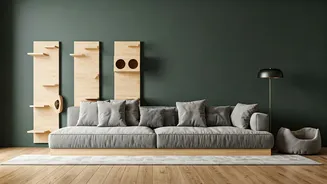
So what does barkitecture look like in practice? It can be as grand as a custom-built home or as subtle as a clever renovation. Popular examples include built-in feeding stations that hide away in a kitchen cabinet, keeping bowls off the floor and out of sight. Mudrooms are being redesigned with dedicated, low-to-the-ground pet washing stations, complete with a handheld sprayer to make cleaning muddy paws a breeze. Architects are now designing custom nooks under staircases or integrated into living room shelving, creating cosy, den-like spaces for dogs to retreat. For cat owners, the trend manifests as "catios"—enclosed outdoor patios that allow cats safe access to fresh air—or creatively designed wall shelving that doubles as a climbing highway, satisfying a cat's natural instinct to perch and explore. It’s about creating multi-functional spaces that serve everyone.
A Shift in Pet Parenthood
The rise of barkitecture isn't happening in a vacuum. It’s a direct reflection of the changing relationship we have with our pets. Across India and the world, particularly in urban centres, the concept of pet ownership has transformed into "pet parenthood." Animals are no longer just companions; they are cherished family members. This cultural shift, accelerated by the pandemic which saw a surge in pet adoptions, has led to a willingness to invest more time, emotion, and money into our pets' well-being. Barkitecture is the ultimate expression of this humanisation of pets. When you design a specific, permanent feature in your home for an animal, you are making a statement: this pet is a permanent and integral part of this family and this home. It signifies a deeper commitment to their comfort and happiness.
Bringing Barkitecture Home
You don't need to be a millionaire or undertake a massive renovation to embrace the spirit of barkitecture. The core principle is thoughtfulness, which can be applied on any budget. Start by observing your pet's habits. Where do they love to nap? Where do you always trip over their water bowl? Simple solutions can make a big difference. You can create a dedicated "pet zone" by consolidating their bed, toys, and food in one organised corner. Consider investing in multi-purpose furniture, like an end table that doubles as a dog crate or a window perch that offers your cat a view. When choosing new fabrics or rugs, opt for durable, pet-friendly materials that are easy to clean. Even something as simple as installing a lower hook by the door for the leash elevates pet care into a designed experience. The key is to think about your pet’s daily life and find ways to make it flow more smoothly within your own.