



The Growing Shadow of Light Pollution
In India's bustling cities, the night sky is a washed-out canvas. The constant glow from streetlights, buildings, and advertisements creates a phenomenon known as light pollution, effectively erasing the stars from our view. Research shows that this artificial
brightness is increasing globally, making naturally dark skies an endangered resource. For many, seeing the Milky Way—our home galaxy—requires a trip to remote, high-altitude locations like Ladakh. This disappearance of darkness isn't just a loss for stargazers; it disrupts natural cycles for wildlife and can even impact human health. It's in this context that small, quiet places preserving their darkness have become invaluable treasures.
Welcome to Udmal: A Celestial Sanctuary
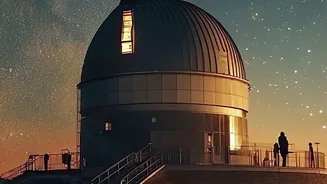
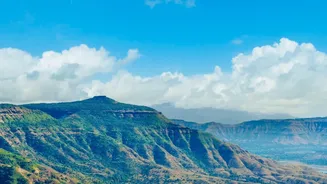
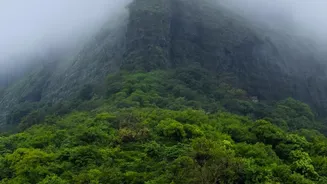
Enter Udmal, a small tribal village in the Surgana taluka of Nashik district. Perched on a hilltop with no major urban centre for several kilometres, Udmal has retained its pristine night skies, making it an ideal location for astronomical observation. Recognising this unique asset, the village community, in collaboration with the district administration and organisations like AstronEra, has embarked on an initiative to become Maharashtra's first 'Dark Sky Community'. This isn't just about tourism; it's a conscious effort to protect a natural resource. The Udmal Gram Sabha has formally passed a resolution to conserve the dark skies by adopting responsible outdoor lighting practices that minimise light pollution.
A State-Wide Push for Dark Skies
Udmal's initiative is a key part of a larger push by the Maharashtra government to promote astro-tourism. Announced on National Space Day, the state's Dark Sky initiative has identified 11 pilot locations, including Udmal, Bhandardara, and the Lonar crater, to develop as dark-sky destinations. The goal is to protect these areas from light pollution and create a framework for seeking official designation from DarkSky International, a global authority on the matter. For Udmal, the district administration has sanctioned over ₹42 lakh to support night-sky quality assessment, the installation of environment-friendly lighting, and public awareness campaigns. This project aims to create sustainable livelihood opportunities for the local tribal community through tourism centered around the stars.
What to Expect on Your Visit
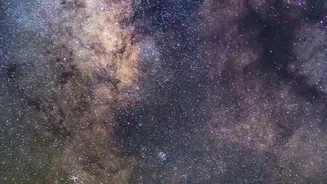
A trip to Udmal is a journey back to a simpler, quieter time. On a clear, moonless night, the view is spectacular. The Milky Way becomes visible to the naked eye, appearing as a luminous band stretching across the heavens. Visitors can indulge in guided stargazing sessions, learn to identify constellations, and try their hand at night-sky photography. Unlike commercialised tourist spots, the experience here is about immersion in nature. The focus is on preserving the environment, so expect a model built around eco-tourism rather than large-scale construction. The district administration hopes this community-led conservation effort will serve as a model for other regions.
Planning Your Trip to the Stars
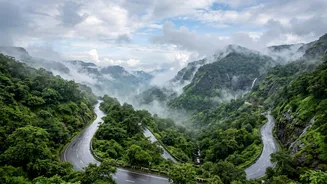
Udmal is located in the Surgana taluka, accessible by road from Nashik, which is about 90-100 km away. The nearest major railway station is Nashik Road, and the closest airport is Ozar. For the best stargazing experience, plan your visit around the new moon, when the sky is at its darkest. The clearest skies are typically found in the months following the monsoon, from October through May. Since this is a developing tourist location, accommodation options might be basic, focusing on eco-stays and community-run establishments. Remember to pack warm clothing, as nights in the hills can get chilly, and bring binoculars or a small telescope if you have one to enhance your viewing experience. As this is a community-led initiative, visitors are encouraged to be respectful of local customs and the quiet environment that makes this place so special.