




Understanding the Core Components
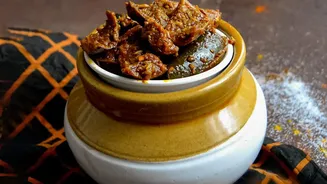
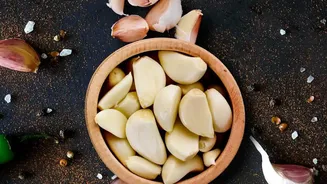
At its heart, this Maharashtrian staple is a simple, rustic blend, but the magic lies in the balance of its key ingredients. Most recipes revolve around three pillars: garlic, a nutty element, and a carrier for the spice. Garlic provides the signature
pungent kick. The nuttiness typically comes from either dry-grated coconut (khobra) or roasted peanuts (shengdana), and sometimes both. Coconut lends a slightly sweet, rich flavour, while peanuts offer a deeper, earthier taste. The vibrant red colour and heat come from red chilli powder, with many preferring Kashmiri red chilli for its brilliant hue without overwhelming spice.
The Secret is in the Roast
The most critical step to developing deep, complex flavour is properly roasting your ingredients. This isn't a step to be rushed. Each component should be roasted separately on a low to medium flame until fragrant. Roast the garlic cloves until they have light brown spots; this mellows their raw sharpness into a sweeter, more aromatic flavour. Similarly, roast the coconut until it's a light golden brown, which prevents it from tasting raw. If you're using peanuts, roast them until they are crunchy and their skins start to separate easily. Always allow the roasted ingredients to cool completely before grinding. Grinding them while still warm can release their oils, resulting in a clumpy, paste-like chutney instead of the desired dry, coarse texture.
Mastering the Grind
To achieve that classic, sandy texture that clings so perfectly to the vada and pav, avoid grinding the mixture continuously. The goal is a coarse powder, not a fine paste. Use the pulse function on your mixer-grinder. Grind in short bursts of just a few seconds at a time, stopping to shake the jar or check the consistency. Over-grinding is the most common mistake and will cause the coconut and peanuts to release their natural oils, turning your dry chutney into an oily clump. Some traditionalists even pound the mixture in a mortar and pestle to have maximum control over the final texture.
Creating Your Signature Variation
Once you've mastered the basic technique, the door opens to endless customisation. For a nuttier flavour, increase the proportion of peanuts. For a richer, slightly sweeter chutney, use more coconut. Some recipes introduce white sesame seeds, which are roasted alongside the other ingredients to add another layer of nutty complexity. For extra flavour dimensions, you can add a pinch of cumin powder, coriander powder, or even a small amount of amchoor (dry mango powder) for a tangy note. Another popular street-style variation involves adding the crispy fried batter bits (boondi or churra) left over from making the vadas into the chutney mix for extra crunch and flavour.
Troubleshooting Common Issues
If your chutney turns out too oily or pasty, you've likely ground it for too long or while the ingredients were still warm. You can try to salvage it by adding more dry desiccated coconut or even a piece of dry bread to absorb some of the excess oil and then pulsing very briefly. If the garlic flavour is too overpowering or bitter, it may be because the garlic wasn't roasted long enough or wasn't fresh. Always use fresh, firm garlic cloves. To control the spice level, always opt for a milder chilli powder like Kashmiri or Byadagi, which provides colour without intense heat, and adjust the quantity to your personal preference.
Proper Storage for Lasting Flavour
Because this chutney contains no water, it has a relatively long shelf life. To ensure it stays fresh and potent, store it in a completely dry, airtight container. Stored in the refrigerator, it can last for several weeks. Some sources even suggest it can be kept for up to a month, with the flavours melding and deepening over the first few days. Before sealing the container, ensure the chutney has cooled to room temperature to prevent any condensation from forming, as moisture is the enemy of its longevity.