


Why We're Chasing Darkness
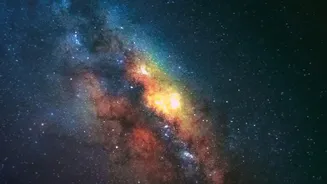
For many, the modern world is a 24/7 bath of artificial light. An estimated 80% of the world's population lives under a light-polluted sky, unable to see the Milky Way from their homes. This constant illumination disrupts not only our view but also our well-being,
affecting sleep patterns and contributing to a sense of disconnect from the natural world. In response, travellers are increasingly seeking out the profound tranquility and awe that only a truly dark sky can offer. This shift, often called "dark-sky tourism" or "astrotourism," is about more than just astronomy; it’s a form of wellness travel. It’s a chance to unplug, reduce stress, and experience the kind of quiet wonder that our ancestors knew nightly. The global stargazing tourism market is now a multi-billion dollar industry, with some analysts projecting strong annual growth as more people seek out these unique experiences.
Decoding the Dark-Sky Destination
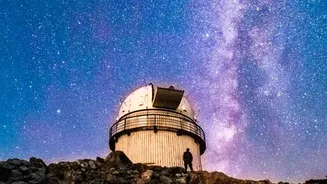
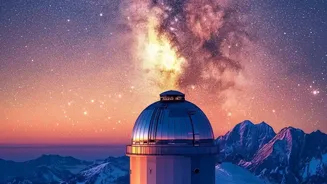
So, what makes a holiday a “dark-sky” one? It revolves around visiting locations with minimal light pollution, allowing for breathtaking views of stars, planets, and galaxies. The gold standard for these locations is a certification from an organization like DarkSky International, which designates areas as International Dark Sky Parks, Reserves, or Sanctuaries based on the quality of their starry nights. A Dark Sky Reserve, for instance, has a protected core area of exceptional darkness and a surrounding periphery where light policies are in place to preserve it. India is proudly home to its own official Dark Sky Reserve in Hanle, Ladakh. This high-altitude desert region offers some of the clearest skies in Asia, making it a world-class destination for celestial events.
India's Starry Sanctuaries
You don't need to travel across the globe to find celestial clarity. India's diverse geography offers a spectacular array of stargazing spots. Hanle in Ladakh, sitting at an altitude of 4,500 metres, is the crown jewel. As the country's first notified Dark Sky Reserve, it boasts over 250 clear nights a year and views of the Milky Way so vivid they can cast a faint shadow. Spiti Valley in Himachal Pradesh is another high-altitude haven, where villages like Kaza and Kibber become natural observatories after sunset. The vast, flat expanse of the Rann of Kutch in Gujarat provides an otherworldly setting, with the white salt desert creating a stunning contrast against the star-filled sky. For those in the south, the coffee plantations of Coorg, Karnataka, offer misty, dark skies away from urban centres. Even states like Maharashtra are now identifying new astro-tourism sites, from tiger reserves to crater lakes, to meet growing demand.
More Than Just a Telescope
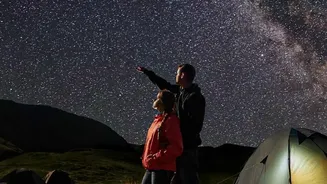
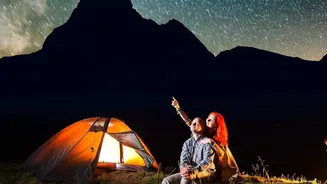
While the astronomical sights are the main draw, astrotourism has evolved into a holistic experience. Many destinations now offer more than just a dark patch of land. In Hanle, for instance, local villagers have been trained as 'Astronomy Ambassadors' who lead guided telescope sessions, sharing their knowledge with visitors. These trips are becoming popular for digital detoxes, family bonding, and astrophotography workshops. The appeal cuts across demographics, attracting everyone from serious amateur astronomers to couples looking for a romantic escape and families wanting an educational adventure. The experience is less about scientific observation and more about what is now being called "star bathing"—mindfully absorbing the beauty and tranquility of the night sky to improve well-being.
How to Plan Your Celestial Escape
Ready to trade streetlights for starlight? Planning a dark-sky trip is simple. First, pick your destination. High-altitude, remote, and desert locations are generally best. Timing is everything: plan your trip around the new moon, when the sky is at its darkest. The winter months from November to February often offer the clearest skies in many parts of India. Pack layers, as even desert locations can get cold at night. While you don’t need a fancy telescope, a good pair of binoculars can dramatically enhance your view of the moon's craters and larger star clusters. Several mobile apps can help you identify constellations and planets in real-time. Finally, consider booking with a local guide or staying at a place that specializes in astro-experiences to get the most out of your celestial journey.