




From Minimalist to Meaningful
For years, the blueprint for a modern urban Indian home was clear: clean lines, neutral palettes, and a minimalist aesthetic inspired by global trends. But a significant shift is underway. Homeowners, particularly millennials and Gen Z, are moving away
from mass-produced uniformity and seeking something more authentic. [10, 11] This isn't about recreating a museum or a grandparent's home in its entirety. [5] Instead, it’s a cultural movement towards creating spaces that feel personal, layered, and deeply connected to Indian heritage. [3] The fusion of modern and traditional elements allows for homes that respect the past while embracing contemporary life, creating a look that is both soulful and sophisticated. [2, 3]
The Search for Authenticity and Sustainability
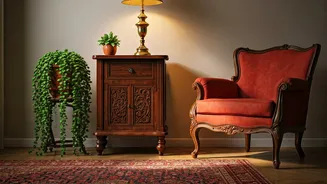
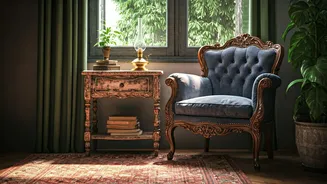
So, why the sudden embrace of the old? The reasons are as layered as the decor itself. For many, it's a form of storytelling, a way to weave personal history and cultural identity into their daily lives. [11, 16] In a rapidly globalising world, an inherited teak chest or a framed piece of a mother’s old saree becomes a grounding element, a tangible link to one's roots. [13] Nostalgia plays a big role, with many finding comfort in pieces that remind them of their childhood homes. [10] This trend is also driven by a growing consciousness around sustainability. [16, 17] Choosing a reclaimed wooden door or restoring an antique armchair is an eco-friendly choice, a move away from the 'use and throw' culture towards conscious consumption. [2, 16] It’s about curating a home filled with pieces that have history and character, rather than just filling it with new things.
How to Weave in the Old
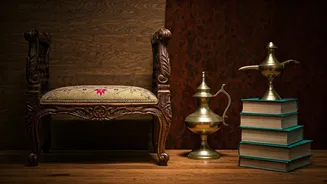
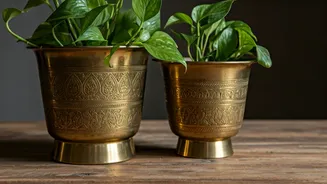
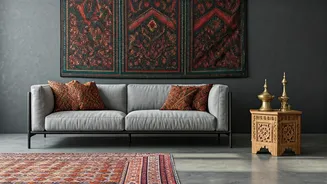
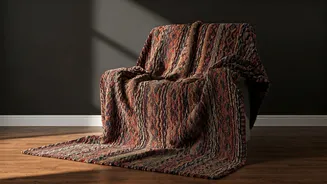
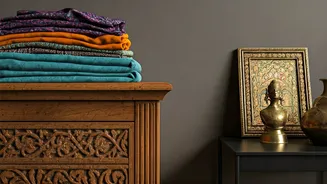
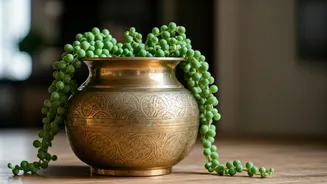
Integrating antique elements doesn't require a complete overhaul. The key is balance and thoughtful integration. [3, 12] A popular approach is to use a single, impactful piece as a focal point, like a majestic carved `jharokha` (enclosed balcony) mirror against a modern wall, or a sturdy heritage chest repurposed as a coffee table. [12, 15] Traditional Indian furniture, known for its intricate carvings and use of robust woods like teak and rosewood, is being reimagined in sleeker forms that fit urban apartments. [3, 6] Another key element is the use of textiles. [9] Rich, handwoven fabrics like block-printed Ajrakh or delicate Chikankari are used for cushions, throws, and even as framed wall art, adding pops of colour, pattern, and texture to neutral spaces. [7, 14] Brass and metal accents, such as lamps, urlis (traditional vessels), and ornate door handles, are also being used to add a warm, regal gleam. [12, 13]
The Art of the Mix
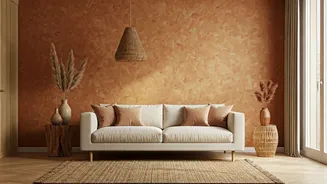
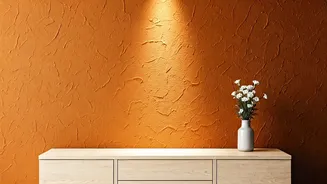
The magic of this trend lies in the masterful mix of old and new. [13] It's about creating a dialogue between eras. [9] An antique wooden door might be repurposed as a dramatic headboard for a minimalist bed. [12] Traditional patterns like mandalas or paisley might appear on a single accent wall, not the entire room. [4] Sleek, contemporary chairs might be placed around a grand rosewood dining table. [11] The idea is to avoid clutter and let each antique piece breathe, allowing its story to shine. [12, 15] Designers advise using neutral backdrops—walls painted in shades of white, beige, or grey—to make the rich colours and textures of the antique items stand out. [12] This contrast is what makes the style feel fresh and modern, rather than dated or heavy.