



Know the Challenge: 14 Hairpin Bends
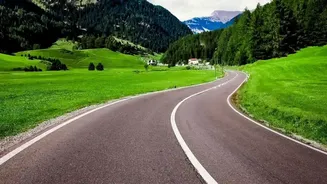
The Agumbe Ghat section of National Highway 169A is a crucial link between the coast and the Malnad region, but it's a demanding drive. The stretch features 14 sharp hairpin bends over approximately 10 kilometres. The road is notoriously narrow, making
it difficult for two vehicles to pass comfortably, and it is often enveloped in mist, which can drastically reduce visibility. While recent maintenance work has improved road surfaces in some areas, potholes and worn-out sections, especially at the curves, can still be a problem. Convex mirrors have been installed at some bends to help drivers see oncoming traffic, but vigilance remains your best tool.
Timing is Everything: Avoid Peak Monsoon
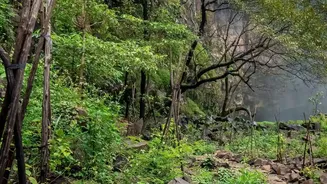
Agumbe is often called the 'Cherrapunji of the South' for a reason; it receives some of the highest rainfall in India. While the monsoon (June to September) transforms the rainforest into a lush paradise, it also makes the ghat road extremely treacherous. During this period, the risk of landslides is high, and authorities frequently ban heavy vehicle traffic or close the road entirely. Roads become slippery from rain and moss, and visibility can drop to near zero due to dense fog. The ideal time to travel is between October and February, after the monsoons have subsided but while the landscape is still vibrantly green.
Vehicle Preparedness is Non-Negotiable
Before you even think about starting your ascent or descent, a thorough vehicle check is mandatory. Pay special attention to your brakes, as the steep slopes put immense strain on them. Ensure your tyres have adequate tread and are properly inflated to maintain grip on the winding roads. Your wipers must be in perfect working condition to handle sudden showers. Also, check all fluids and lights. Since the ghat is remote, consider carrying a portable tyre inflator, a basic toolkit, and a first-aid kit. Given the patchy mobile network coverage in the forest, downloading offline maps is a wise precaution.
Master Ghat Driving Techniques
Driving on a ghat is fundamentally different from driving on a highway. When descending, use lower gears (engine braking) to control your speed rather than relying solely on your brakes, which can overheat. When climbing, using a lower gear will give you the power needed for steep inclines. Always honk before navigating blind curves to alert drivers on the other side. Overtaking is extremely dangerous and should be avoided unless you have a long, clear stretch of road, which is rare on this route. Maintain a steady, moderate speed and be prepared for slow-moving trucks and buses, which have the right of way when climbing.
Stay Alert and Respect the Road
Your focus needs to be absolute. Avoid all distractions, from mobile phones to loud music. Heavy vehicles are often banned during the monsoon, but the road remains open for light motor vehicles, which means you'll be sharing the narrow space with other cars and bikes. Be patient and courteous, especially on narrow stretches where you may need to pull over to let an oncoming vehicle pass. Never stop on a blind curve for photos, no matter how tempting the view. If you need to pull over, find a safe, wide spot where you are clearly visible to other drivers.
Be Aware of Wildlife and Roadblocks
The Agumbe rainforest is a biodiversity hotspot and home to various animals, including the iconic King Cobra. While encounters are not guaranteed, be prepared for wildlife crossing the road. During the monsoon, be especially alert for the possibility of uprooted trees or minor landslides blocking the path. Before you leave from Bangalore or a nearby town like Thirthahalli, always check the latest traffic advisories and road conditions. Local authorities often issue updates on road closures or restrictions, and having an alternate route in mind, such as via Sringeri-Kudremukh, can save you from getting stranded.