


From Deep Space to Your Device
Not long ago, the only place you’d find detailed discussions about exoplanets or the Kuiper Belt was in a university lecture hall or a scientific journal. Today, this once-niche field, which we can call 'hidden planet science,' is a burgeoning genre of
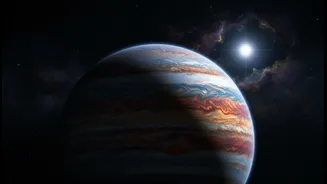
online content. It covers everything from the theoretical Planet Nine at the edge of our solar system to the thousands of confirmed exoplanets, like the recently discovered 'Super-Earth' GJ 3378b, which is capturing imaginations as a potential candidate for life. This content is thriving on platforms like TikTok, Instagram, and YouTube, translated into bite-sized, visually stunning videos and threads that make astrophysics accessible, and even viral.
Why Now? The Perfect Cosmic Storm
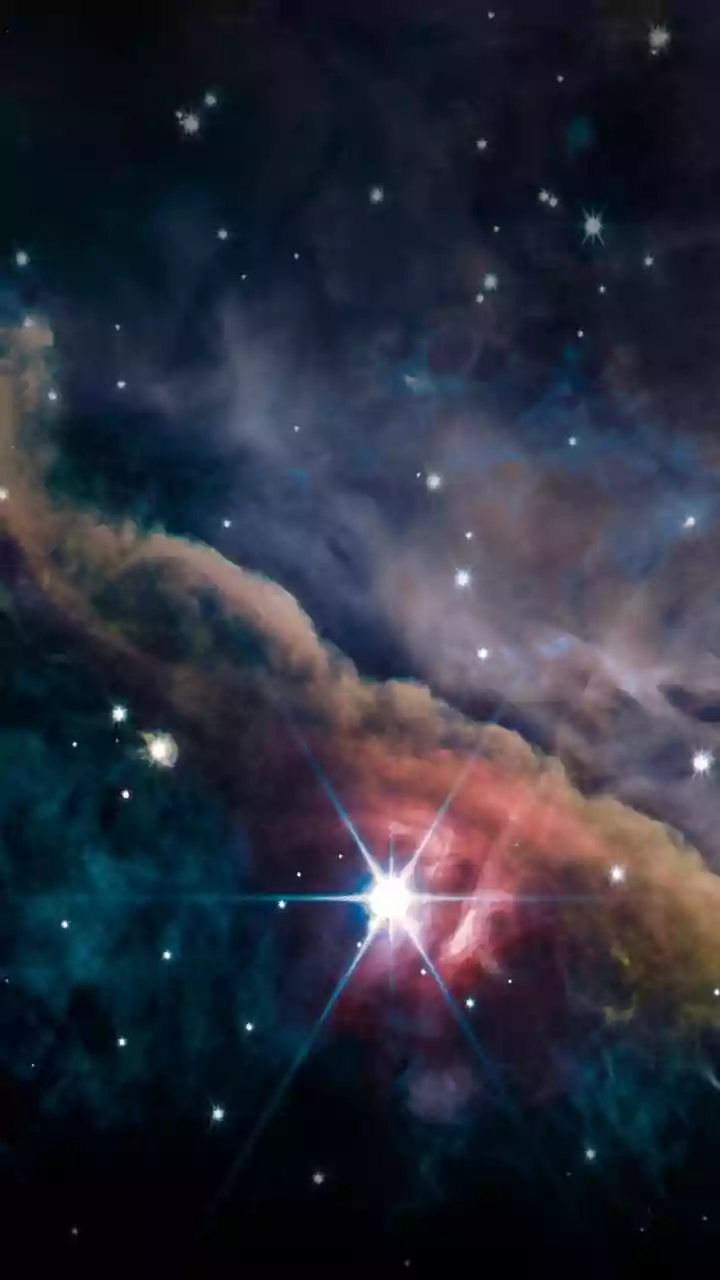
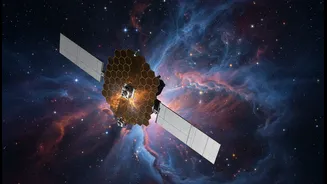
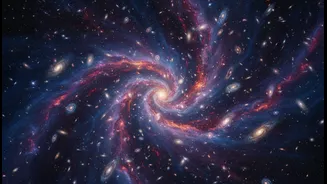
Several forces have aligned to push this science into the mainstream. The biggest catalyst is arguably NASA's James Webb Space Telescope (JWST). Since it began sending back images, its discoveries have shattered social media engagement records. The stunning, high-definition visuals of nebulae and distant galaxies are practically designed for visually-driven platforms. This constant stream of breathtaking new content provides the raw material. Add to this the rise of powerful AI tools like RAVEN, which are accelerating the discovery of new planets by sifting through massive datasets, creating a steady flow of exciting announcements. Finally, a new generation of charismatic science communicators has mastered the art of the algorithm, learning how to package complex ideas into engaging, short-form content that captures the passion of discovery.
Meet the New Cosmic Storytellers
This isn't just about NASA's official channels, though their social media presence is massive. A diverse ecosystem of creators is driving the trend. You have professional astrophysicists like Dr. Becky Smethurst and creators like Astro Alexandra, who have amassed millions of followers by sharing their genuine, often emotional, reactions to new discoveries and explaining complex topics with clarity and enthusiasm. There are also organisations in India like SPACE, which have been working for over two decades to popularize astronomy and space science at the grassroots level, inspiring a new generation of enthusiasts. These storytellers use everything from slick animations to heartfelt direct-to-camera talks, transforming abstract data into compelling human stories about our place in the universe. Their success proves there is a massive public appetite for smart, awe-inspiring content.
Beyond the 'Wow' Factor
The popularization of hidden planet science is a massive win for science communication. It brings the wonder of exploration to millions who might never pick up an astronomy textbook. However, it's not without risks. The same platforms that spread wonder can also spread misinformation. The long-running, yet still unproven, theory of 'Planet Nine' is a prime example. It often circulates on social media as a confirmed fact rather than a compelling hypothesis. The nuance of scientific debate can get lost in a 60-second video, and theoretical models can be presented as concrete discoveries. This makes the role of credible, responsible science communicators more important than ever. They must not only share the 'wow' moments but also instill a sense of how the scientific process actually works—full of debates, revisions, and the patient search for evidence.