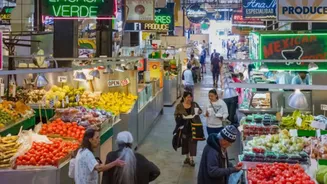







From Shelves to a Whole System
For decades, the urban approach to food has been simple: ensure there are enough shops to sell it. City planners focused on zoning for supermarkets and enabling logistics for trucks. This retail-centric view, however, overlooks the vast and intricate
web of activities that bring food from farm to fork. A food system includes everything: the land where food is grown, the labour that harvests it, the networks that process and transport it, the markets where it is sold, the residents who eat it, and the methods used to manage the waste. When this system is treated merely as a supply chain, it becomes vulnerable to shocks like climate events, pandemics, or logistical breakdowns, which can quickly lead to empty shelves and food insecurity.
What 'Systems Thinking' Looks Like
Rethinking food as a system means moving from a passive role to active governance. Instead of just letting the market decide, city administrations are becoming coordinators, planners, and facilitators. A key tool in this shift is the establishment of Food Policy Councils (FPCs). These are collaborative bodies bringing together diverse stakeholders—farmers, government officials, health professionals, educators, and community leaders—to identify challenges and co-create solutions. Their work can lead to everything from community food assessments to new policies on land use, waste management, and public health. This approach views food as an integral part of urban life, connected to the economy, environment, and social equity.
Pioneers in Urban Food Planning
Cities around the world are already putting this thinking into practice. In Baltimore, the city’s Food Policy Initiative successfully updated zoning regulations to allow for urban agriculture projects, including the raising of goats and bees, and made it easier for farmers' markets to accept food assistance benefits. New York City's "Food Forward" plan promotes plant-based meals in public institutions like schools and hospitals to improve public health and reduce the city's carbon footprint. Los Angeles has adopted policies to guarantee all low-income residents have nearby access to fresh produce. These initiatives show a clear move towards integrating food production and access directly into the urban fabric, making cities producers and not just consumers.
The Payoff: More Than Just Fresh Produce
The benefits of a systemic approach are profound. Localising food production through urban and peri-urban agriculture reduces transportation costs and carbon emissions. It builds resilience by creating a buffer against disruptions in long-distance supply chains. Socially, it fosters community engagement through shared gardens and markets, and can improve public health by increasing access to fresh, nutritious food. Economically, it creates jobs and strengthens local economies. Furthermore, by integrating waste management, cities can turn organic waste into compost for urban farms, creating a circular system that enhances sustainability.
The Challenge for India's Megacities
For India, where rapid urbanisation is adding immense pressure on resources, this shift is not just an option but a necessity. With a growing urban population, ensuring food and nutrition security is a monumental task that cannot be solved by rural production alone. Indian cities face a "double burden" of malnutrition, with undernutrition coexisting with rising obesity due to processed diets. Promoting urban agriculture—from rooftop gardens to community farms on unused land—is a vital strategy. While some community-driven projects are emerging in cities like Mumbai, a more structured policy focus is needed. Planners must protect agricultural land from urban sprawl and support initiatives that link food, health, and waste management.