






An Age-Old Agricultural Clock
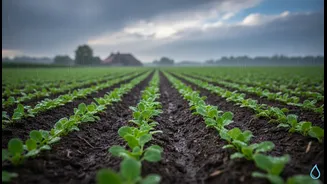
In and around Bengaluru, agriculture has long been a dance with the monsoons. Much of the region's farming is rain-fed, meaning it relies on seasonal rainfall rather than irrigation. This dependency created a crucial period known as the 'planting window'—a
specific time, usually tied to the pre-monsoon and southwest monsoon showers from June to September, when the soil has just enough moisture to germinate seeds for crops like ragi (finger millet), maize, and various pulses. This window is not just a date on a calendar; it's a delicate intersection of temperature, humidity, and rainfall that determines the success or failure of the entire Kharif season. For decades, this natural clock, guided by indigenous knowledge, provided a reliable schedule for cultivation.
When the Rains Become Unreliable
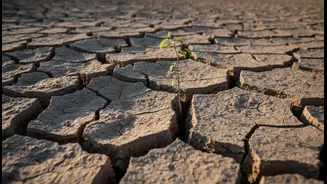
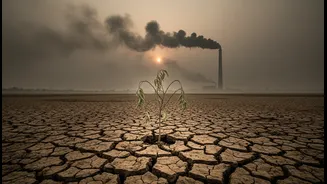
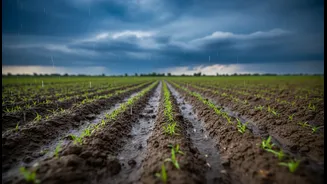
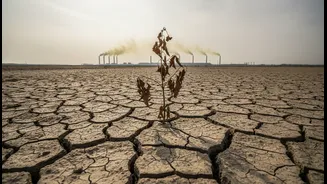
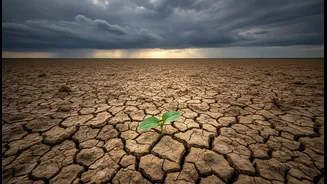
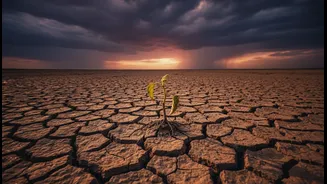
In recent years, this dependable schedule has been thrown into disarray. Climate change and rapid urbanisation have created a new, erratic weather pattern. The once-predictable onset of the monsoon is now frequently delayed, and the distribution of rain has become patchy. Some years see excessive pre-monsoon showers that cause waterlogging, while others face prolonged dry spells right when seedlings need water most. As of early July 2026, for example, sowing in Bengaluru Rural was significantly behind schedule due to a patchy and delayed monsoon, creating drought-like conditions. Just days earlier, a massive plantation drive in the city saw saplings withering because the expected rains never arrived, forcing reliance on water tankers. This volatility squeezes the planting window, making it a gamble for farmers.
A Local Problem with National Echoes
Bengaluru's predicament is not an isolated one. It serves as a microcosm for a challenge unfolding across India, which has the second-largest area of rain-fed agriculture in the world. Nearly half of the nation's farmland lacks irrigation, making millions of farmers vulnerable to the same monsoon vagaries. The shifting patterns seen in Karnataka—where July rains are shifting to August and the peak rainfall period moves from September to October—are mirrored in other states. This disrupts the cultivation of staple crops, impacts food security, and threatens the livelihoods of a vast population dependent on agriculture. The struggles of a farmer in Bengaluru Rural, unable to sow ragi due to a dry spell, reflect a systemic crisis that demands national attention.
The Search for Resilience
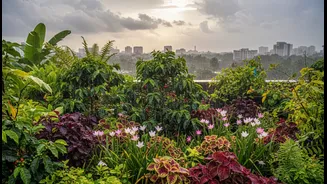
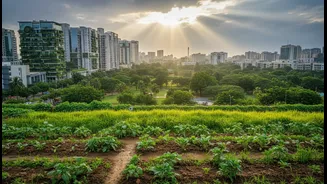
The growing unpredictability of the planting window is forcing a search for new strategies. The immediate response includes advisories for farmers to switch to short-duration or less water-intensive crops. However, long-term solutions require a deeper shift. Experts and agricultural bodies are now emphasising the importance of accurate, long-range weather forecasts to help farmers make informed decisions about when and what to plant. There is also a renewed focus on reviving traditional, climate-resilient practices and native crops that are better adapted to local conditions. Initiatives promoting urban and peri-urban agriculture aim to create more localised food systems, reducing dependence on fragile supply chains and enhancing green cover.