




The Invisible Attack on Your Eyes
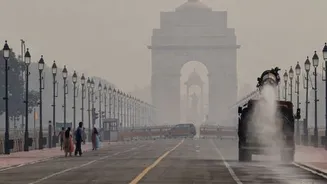
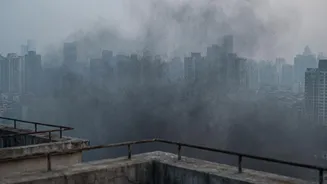
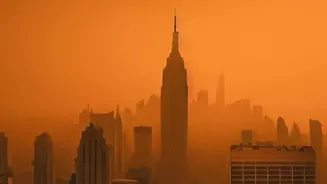
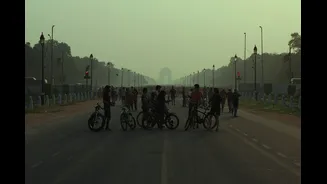
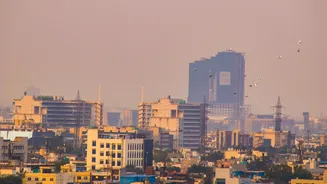
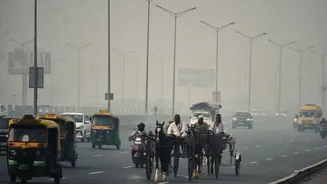
Delhi's air in winter becomes a toxic cocktail of pollutants. The primary culprits are fine particulate matter (PM2.5 and PM10), nitrogen dioxide, carbon monoxide, and sulphur dioxide, originating from vehicle emissions, construction dust, and industrial
output. These particles are so small that they can easily come into direct contact with the surface of your eyes. Your eyes have a natural protective layer called the tear film, which is supposed to keep them lubricated and clear of debris. However, the sheer volume of pollutants in the air overwhelms this delicate defence mechanism.
How Pollution Causes Irritation
Doctors explain that the irritation is a multi-step process. First, pollutants disrupt the tear film, causing it to evaporate faster than usual. This leads to dry eye syndrome, a condition marked by a gritty, scratchy feeling. Second, harmful gases and particles act as chemical irritants, directly inflaming the conjunctiva—the thin membrane covering the white part of your eye. This inflammation is what causes the redness, burning sensation, and excessive watering as your eyes try in vain to flush out the foreign substances. This constant irritation can also trigger or worsen allergic reactions, leading to intense itching.
Common Symptoms and When to Worry
During periods of high pollution, a surge in patients with eye complaints is common. The most frequently reported symptoms include redness, a persistent burning or stinging sensation, watery eyes, a gritty feeling as if sand is in the eye, and itching. For some, vision can become temporarily blurred. While many of these symptoms are manageable, doctors advise seeking immediate medical attention if you experience severe eye pain, unusual sensitivity to light, or a thick, coloured discharge, as these could signal a more serious infection or corneal damage.
Who Is Most at Risk?
While everyone is affected, some groups are more vulnerable. Children, the elderly, and individuals with pre-existing dry eye conditions are more susceptible to severe irritation. Contact lens wearers are at a particularly high risk because pollutants can get trapped between the lens and the eye's surface, prolonging exposure and increasing the chance of infection and inflammation. Doctors often recommend switching to glasses on days when the Air Quality Index (AQI) is in the 'Poor' or 'Very Poor' category.
Practical Steps for Protection and Relief
Protecting your eyes is crucial. Doctors recommend a few key strategies. Wear wraparound sunglasses or protective goggles when outdoors to create a physical barrier against pollutants. Avoid rubbing your eyes, as this can worsen irritation and introduce germs. Instead, rinse your eyes frequently with clean water or use preservative-free lubricating eye drops (artificial tears) to wash out irritants and restore moisture. Indoors, using a HEPA air purifier can significantly reduce the concentration of airborne particles. Staying well-hydrated by drinking plenty of water also helps your body maintain healthy tear production. Finally, limiting outdoor activities during peak pollution hours, often early in the morning and late in the evening, can reduce your overall exposure.