

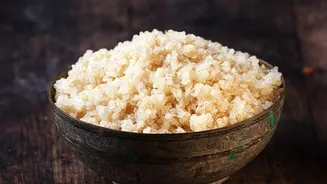

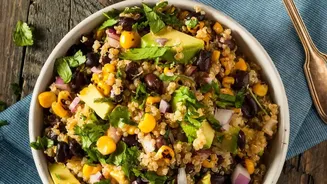
A Tale of Two Puffs
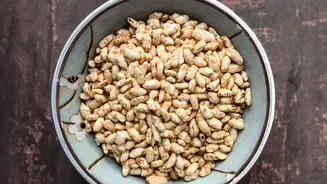
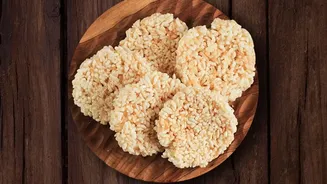
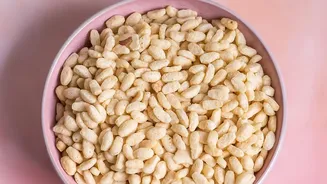
Before we dive into the comparison, it’s important to understand what we're dealing with. Puffed rice, known to many in India as 'murmura' or 'mandakki', is a familiar, feather-light staple. It's made by applying heat and pressure to rice grains until
they expand, creating an airy, crisp texture. It’s the backbone of snacks like bhel puri and a common low-calorie breakfast cereal. Puffed quinoa, on the other hand, is a newer entrant in the wellness space. Quinoa itself is a seed, not a grain, and the puffing process—similar to that for rice—makes it a ready-to-eat snack. This process also reduces quinoa's natural bitterness, enhances its nutty flavour, and makes its nutrients easier to digest.
The Nutritional Showdown
Here's where the two puffs really diverge. Puffed rice is incredibly light on calories, with a standard cup containing around 56 calories, but it offers minimal protein (less than 1 gram) and fibre (0.2 grams). It's primarily a source of simple carbohydrates. Quinoa puffs, by contrast, are a nutritional powerhouse. A similar volume contains more calories (around 110-120), but it delivers a significant amount of protein (roughly 4-7 grams) and fibre (about 2-3 grams). Crucially, quinoa is a 'complete protein', meaning it contains all nine essential amino acids your body needs, making it a rarity in the plant kingdom. It's also a good source of minerals like iron and magnesium.
Crunch, Crisp, and Flavour Profile
The experience of eating them is also distinctly different. Puffed rice is all about airy lightness. It provides a gentle, satisfying crisp that dissolves quickly, and its flavour is very neutral. This neutrality is its strength in dishes like bhel puri, where it acts as a vehicle for chutneys and spices. Puffed quinoa offers a more substantial and durable crunch. The texture is denser and less airy, closer to a toasted nut or a very crunchy breakfast cereal. Flavour-wise, it has a mild, nutty taste that is more pronounced than the ghost-like flavour of puffed rice. This makes it a component that adds its own character to a dish, rather than just texture.
The Ultimate Salad Topping Test
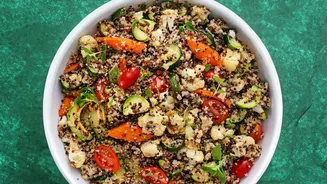
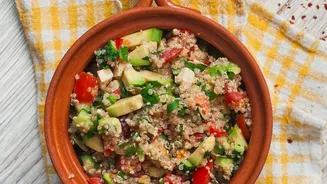
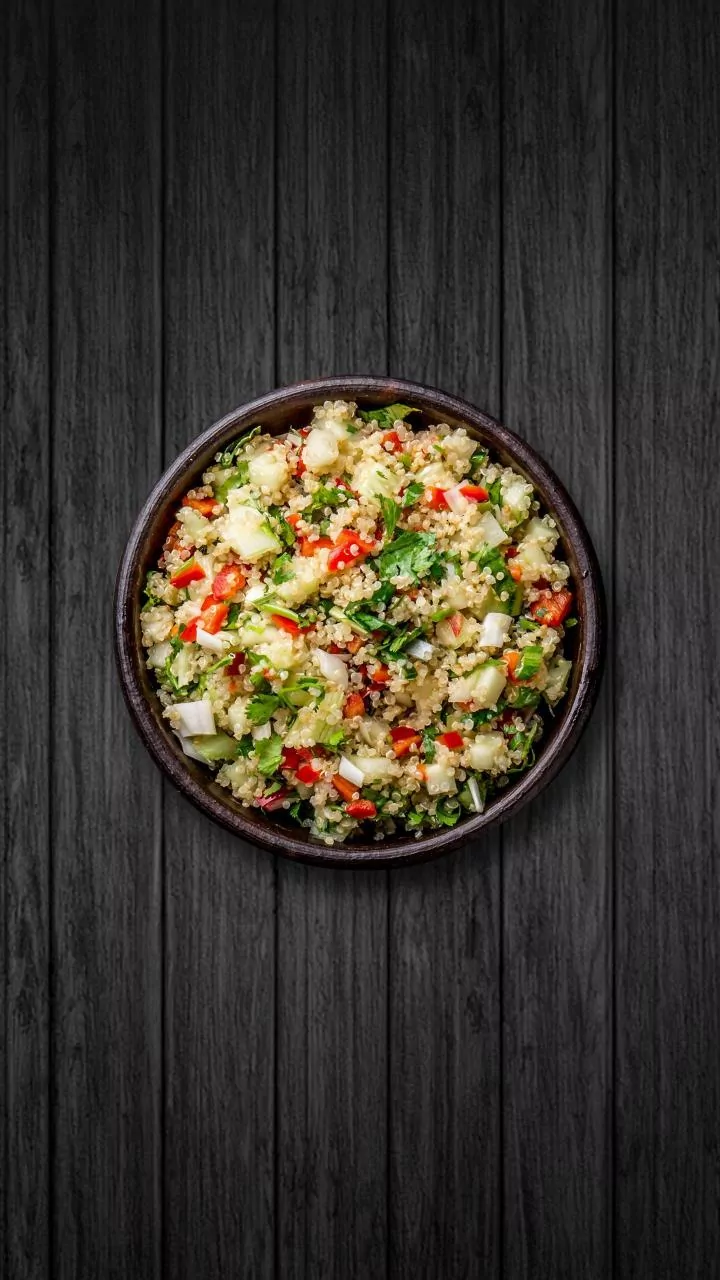
So, which one should you sprinkle over your salad? The answer depends entirely on your goal. If you're looking for a low-calorie, gluten-free alternative to fried croutons that adds a light, unobtrusive crunch, puffed rice is an excellent choice. It adds texture without adding many calories or interfering with the other flavours in your salad. However, if you want your topping to do more work, quinoa puffs are the clear winner. They add a robust, satisfying crunch and, more importantly, a boost of protein and fibre that can make a simple salad feel like a more complete and filling meal. The protein helps with satiety, keeping you fuller for longer. Think of puffed rice as a light garnish and quinoa puffs as a functional ingredient.
Beyond the Salad Bowl
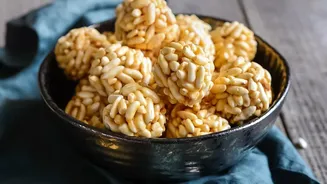
Both of these ingredients shine in other culinary applications. Puffed rice is a star in Indian street food, breakfast cereals, and homemade energy bars where its light texture is prized. Quinoa puffs are incredibly versatile, working well when sprinkled over yogurt or smoothie bowls, mixed into granola, or used in no-bake dessert recipes to add texture and a protein punch. Because of their higher protein and fibre content, quinoa puffs are increasingly seen as a more nutrient-dense alternative in many of these traditional puffed rice roles.