





The Science of a 'Breathing' Plant
The secret to how plants act as natural humidifiers lies in a process called transpiration. Think of it as the plant's way of breathing. Plants absorb water through their roots, which then travels up to their leaves. On the underside of these leaves are
tiny pores called stomata, which release the water into the air as clean vapour. While over 90% of the water a plant absorbs is released this way, it's a gentle process. You won't see clouds of steam, but this constant, subtle release of moisture can make a noticeable difference in the immediate vicinity, especially in a contained space like a bedroom.
Why Air Conditioners Create Dryness
Air conditioners work by cooling the air, and a key part of that process involves removing moisture. This is why you often see water dripping from an outdoor AC unit. While effective for cooling, this dehumidifying effect can lower indoor humidity to levels that cause dry skin, irritated sinuses, and a scratchy throat. The constant dry air can be particularly disruptive to sleep quality. By introducing plants that actively release moisture, you can help counteract this effect, creating a more balanced and comfortable sleeping environment without switching off the cool air.
The Peace Lily: A Humidity Powerhouse
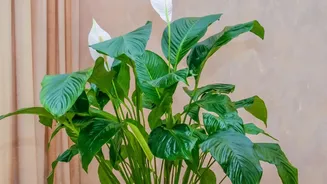
The Peace Lily (Spathiphyllum) is named in the headline for good reason. Native to tropical rainforests, it is naturally adapted to thrive in and contribute to humid environments. Its large, broad leaves provide a significant surface area for transpiration to occur, making it one of the more effective humidifying plants. Beyond its moisture-releasing abilities, the Peace Lily is also renowned for its air-purifying qualities, famously cited in a NASA study for its ability to filter common indoor toxins. Its tolerance for lower light conditions makes it a perfect candidate for bedrooms, which often have less direct sunlight than other parts of the home.
Other Top Plants for Natural Humidity
While the Peace Lily is a star performer, it's not the only plant for the job. To create a truly effective green humidifier, consider adding a few of these to your bedroom: Areca Palm (Dypsis lutescens): Often called the best plant for humidity, a mature Areca Palm can transpire a significant amount of water daily. Its feathery fronds add a lush, tropical feel to any space. Boston Fern (Nephrolepis exaltata): This classic houseplant is a humidity-loving machine. Its dense, frilly fronds are excellent at releasing moisture into the air. It thrives in indirect light and prefers consistently moist soil to fuel its transpiration process. * Spider Plant (Chlorophytum comosum): Recognised as one of the best plants for increasing indoor humidity, the Spider Plant is also incredibly resilient and easy to care for. Its high transpiration rate and air-purifying abilities make it a functional and decorative choice for the bedroom.
Making the Most of Your Green Humidifiers
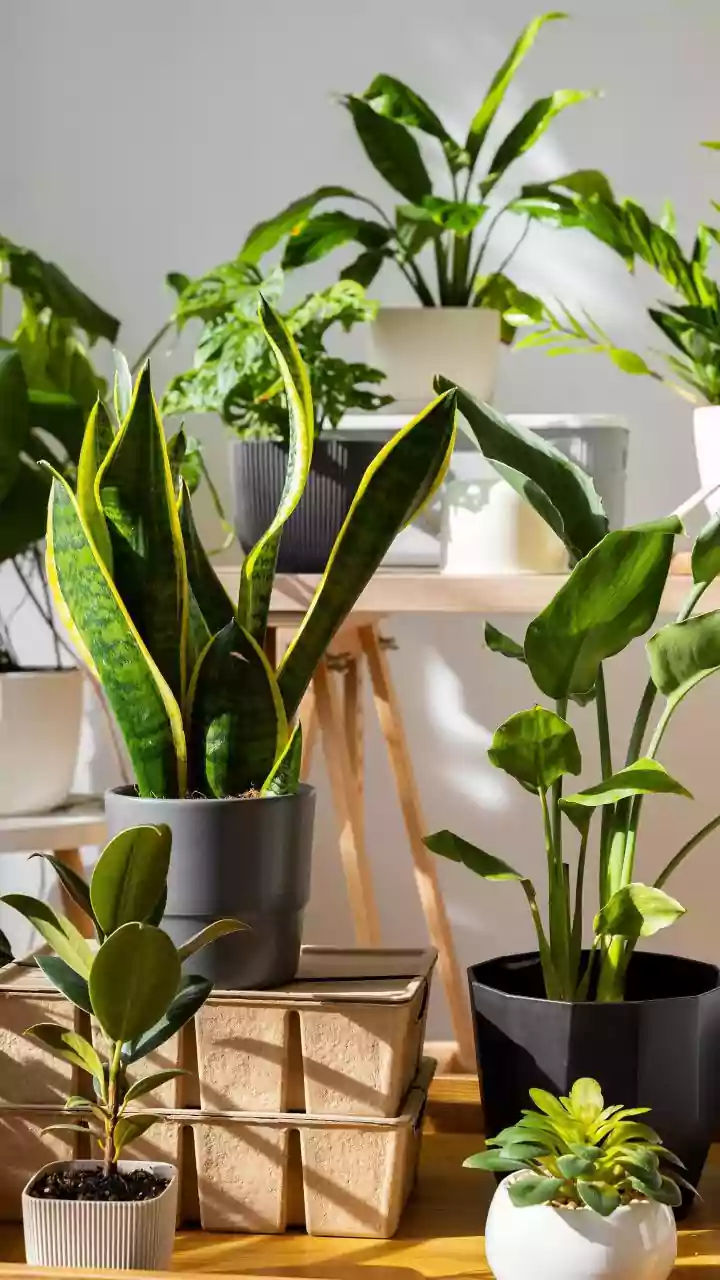
A single, small plant won't drastically change the humidity of an entire room. The key is to create a 'microclimate'. Grouping several humidity-loving plants together enhances their collective effect, as the moisture one plant releases can benefit its neighbours and the surrounding area. Place the grouping in a corner of your bedroom away from the direct blast of the AC vent, which can dry them out. Ensure you water them correctly; a thirsty plant can't transpire effectively. While these green companions offer a modest and natural humidity boost, think of them as a supplementary solution. In extremely dry conditions, they work best alongside a mechanical humidifier, but for providing gentle, localised comfort, they are an excellent first step.