


The Search for the Unfiltered
The classic Indian family vacation abroad used to follow a script: a whirlwind tour of famous landmarks, ticking off cities and sights from a pre-planned checklist. But a cultural shift is underway, led by millennials and Gen Z. This new generation of travellers
isn't just looking for a holiday; they are seeking transformation. They are trading the comfort of a tour bus for the challenge of a mountain trail, and the curated perfection of a five-star hotel for the raw authenticity of a nomadic stay. This isn’t just about travel; it’s a statement about values. It’s a conscious rejection of hyper-commercialised tourism in favour of something real, rugged, and deeply personal.
Why Kyrgyzstan, of all Places?
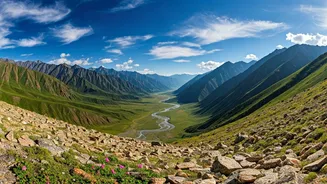
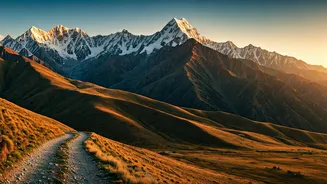
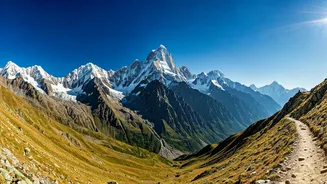
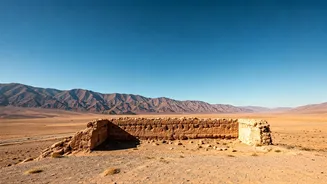
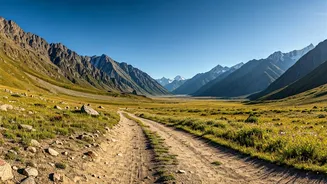
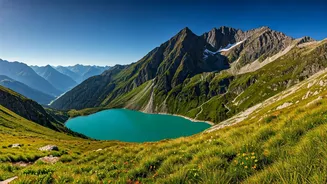
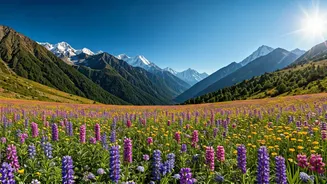
So, why has this landlocked Central Asian country, once a peripheral name for most Indians, become the epicentre of this new adventure wave? The answer is a perfect blend of accessibility, affordability, and unparalleled natural beauty. Compared to the visa hurdles and high costs of Europe or North America, Kyrgyzstan is refreshingly welcoming. The visa process is simpler and the on-ground expenses are significantly lower. A week-long trek here can cost a fraction of a similar trip in the Swiss Alps. But the real draw is its landscape—a breathtaking tapestry of snow-capped peaks, turquoise alpine lakes like the famous Ala-Kul, and vast, rolling grasslands (jailoos) dotted with the yurts of semi-nomadic shepherds. It's the 'Switzerland of Central Asia', but without the crowds and the commercialism.
The Trek Is the Destination
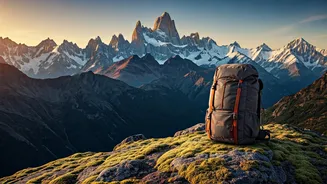
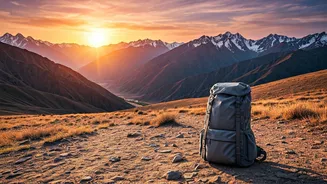
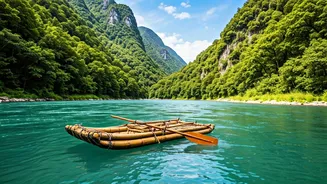
On these journeys, the destination isn't a single viewpoint but the entire experience. Treks through valleys like Jyrgalan or to the high-altitude Song-Kul lake aren't about rushing to a finish line. They are about the rhythm of walking, the camaraderie with fellow trekkers and local guides, and the joy of disconnecting from the digital world. Days are spent hiking through pristine wilderness, crossing rivers on horseback, and witnessing landscapes that feel untouched by time. Evenings are spent in traditional yurts, sharing meals of plov and lagman, drinking fermented mare's milk (kumis), and learning about a nomadic culture that has persisted for centuries. It's an immersive experience that engages all the senses, a stark contrast to passively viewing attractions from behind a window.
A New Kind of Travel Brag
This shift is also reflected in what young travellers choose to share. The ultimate social media brag is no longer a picture-perfect shot in front of a monument, easily replicated by millions. Instead, it’s the gritty, authentic photo from a mountain pass, the video of sharing a meal inside a yurt, or the story of completing a challenging multi-day trek. These experiences signify resilience, curiosity, and a willingness to step outside one's comfort zone. They tell a story of personal growth, not just of a location visited. This new currency of 'experience capital' values unique stories and genuine connection over material luxury or checklist achievements, reshaping what it means to be a 'well-travelled' person in the 21st century.