





The Tyranny of the Packed Itinerary
We are a generation obsessed with optimisation. We build spreadsheets for our holidays, cramming five cities into seven days, scheduling every museum visit and photo-op down to the minute. This approach turns travel, an act of discovery and joy, into a frantic
chore. It’s the travel equivalent of speed-reading a classic novel—you might finish it, but did you understand or feel any of it? This pressure often comes from a place of scarcity. We have limited leave days and a long list of places we want to see. The fear of missing out (FOMO) drives us to create itineraries that are more about conquest than connection. We tick off landmarks—the Eiffel Tower, the Taj Mahal, the Colosseum—but we barely register the city’s pulse. We return home with a camera full of photos but a soul that feels strangely empty, as if we were just spectators in a film of our own life.
The Unexpected Joy of Doing Less
The antidote to travel burnout is deceptively simple: do less. The philosophy of 'slow travel' isn’t about being lazy; it's about being intentional. It’s the deliberate choice to prioritise depth over breadth. Instead of rushing through three states in a week, you choose one and truly inhabit it. You learn a few words of the local language, you find a favourite neighbourhood café, you watch the sunset without checking your watch.
When we slow down, we create space for serendipity—the magic that happens when a trip goes off-script. It’s the unplanned conversation with a shopkeeper, the hidden alley that leads to a beautiful courtyard, the local recommendation for a restaurant that isn't in any guidebook. These are the moments that form our most cherished travel memories, not the perfectly executed 8 a.m. tour that was booked three months in advance.
How to Embrace the Slow Travel Mindset
Shifting to a slower pace requires a mental reset before you even pack your bags. Start by questioning the 'must-dos'. Who decided they were mandatory? Your trip should serve you, not a preconceived notion of what a tourist is supposed to do. A great place to start is by planning your next trip around a hub. Choose one city or town as your base for the entire duration. From there, you can take day trips, but you’ll always return to a familiar place, allowing you to build a temporary routine and feel less like a visitor and more like a local.
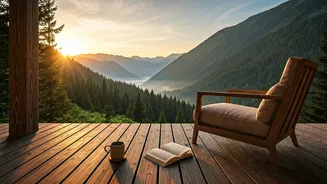
Another practical tip is to build 'zero days' into your itinerary. These are days with absolutely nothing planned. No tours, no reservations, no alarms. You wake up and decide what you feel like doing. Maybe it's reading a book in a park, revisiting a market you enjoyed, or simply sleeping in. These empty spaces are not wasted time; they are the fertile ground where relaxation and genuine discovery can finally take root.
Redefining a 'Successful' Trip
Ultimately, the measure of a good trip isn't the number of passport stamps you collect or the landmarks you photograph. It’s the feeling you bring back with you. Did you return refreshed and inspired, with a new perspective? Or did you come back exhausted, with a vague memory of running to catch trains?
Choosing quality over quantity allows travel to fulfill its true purpose: to rejuvenate the spirit and broaden the mind. It’s about experiencing a place with all your senses, not just your camera lens. It’s about the lingering taste of a local dish, the sound of a city waking up, and the feeling of connection to a place and its people. This kind of travel doesn’t just give you stories to tell; it changes you, one unhurried moment at a time.