







The Science of Active Recovery
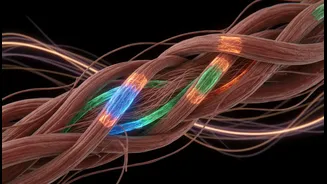
After intense exercise, your muscles are left with microscopic tears and metabolic waste, leading to Delayed Onset Muscle Soreness (DOMS). While passive recovery (complete rest) has its place, active recovery—performing light exercise—is often more effective.
Active recovery increases blood flow, helping to clear out waste products like lactate and deliver oxygen and nutrients to your tired muscles, accelerating the repair process. Unlike collapsing on the sofa, gentle movement tells your body to keep the healing process in high gear. Activities like walking, gentle cycling, and especially swimming are recommended to reduce stiffness and improve recovery time.
Buoyancy: A Welcome Relief for Joints
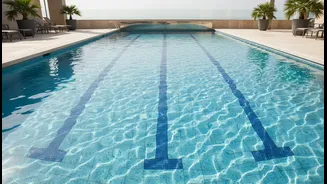
One of swimming's greatest advantages is the buoyancy of water. When you're submerged up to your neck, water supports about 90% of your body weight. This near-weightlessness provides immense relief to your joints, tendons, and muscles, which are often tender after a strenuous land-based workout. This unique environment allows you to move freely and stretch sore muscles without the usual strain of gravity. For athletes recovering from high-impact activities like running or weightlifting, a recovery swim allows for gentle movement that would be painful or impossible on land, promoting flexibility and preventing stiffness without adding further stress to the body.
Hydrostatic Pressure: Nature's Compression
Submerging your body in water creates a phenomenon known as hydrostatic pressure, where the water exerts gentle, consistent pressure on your entire body. This pressure functions like a full-body compression garment, promoting better blood circulation and helping to push swelling and excess fluid away from your muscles and back into the bloodstream. This enhanced circulation is crucial for recovery. It speeds up the delivery of oxygen-rich blood to your muscle tissues, which aids in repairing the micro-tears from your workout. Studies have shown this process can help reduce inflammation and the muscle soreness associated with it.
A Full-Body Flush and Gentle Stretch
Unlike some forms of exercise that isolate specific muscles, swimming engages nearly every major muscle group in a gentle, rhythmic motion. Performing different strokes allows you to actively stretch and elongate your muscles, from your back and shoulders to your legs and core. This full-body, low-intensity movement helps to relieve muscle tightness and improve overall flexibility. The controlled resistance of the water provides a subtle strength-building element without the jarring impact of weights or pavement. A light swim can effectively help flush out the metabolic byproducts that contribute to soreness while soothing tired muscles.
How to Plan Your Recovery Swim
To get the most out of a recovery swim, the key is to keep the intensity low and the duration moderate. This isn't the time for personal bests or high-intensity intervals. Aim for a 20- to 30-minute session on your active recovery day. Focus on easy, relaxed strokes, maintaining a low heart rate. You could try a mix of different strokes to work various muscle groups or simply tread water and perform gentle stretches. The goal is to leave the pool feeling refreshed and looser, not more fatigued. Listening to your body is paramount; a recovery swim should feel restorative, not like another grueling workout.