



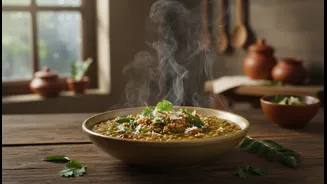


The Tradition of Karkidakam
Karkidakam is the final month in the traditional Malayalam calendar, typically falling between mid-July and mid-August. It coincides with the peak of the southwest monsoon, a time historically associated with agricultural downtime, increased illnesses,
and a general sense of vulnerability. According to Ayurvedic principles, this rainy season, or 'Varsha Ritu', is when human digestion ('Agni') is at its weakest and the body's 'doshas' (energetic forces) are most easily imbalanced, particularly the 'Vata' dosha. Consequently, Karkidakam is traditionally viewed as the ideal time for restorative and preventive healthcare, known as 'Karkidaka Chikitsa', focusing on rejuvenation, detoxification, and strengthening the body's defenses. The entire month is dedicated to wellness, spiritual practices, and preparing the body for the year ahead.
What Exactly Is Karkidaka Kanji?
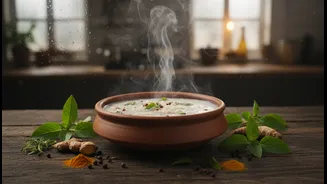
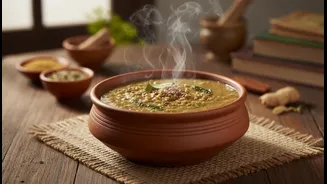
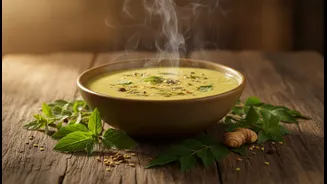
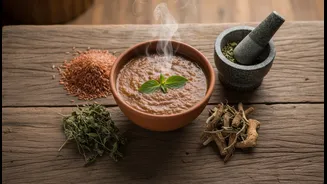
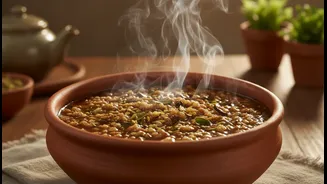
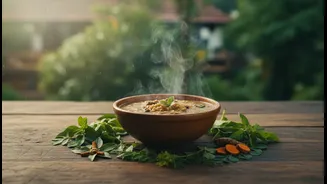
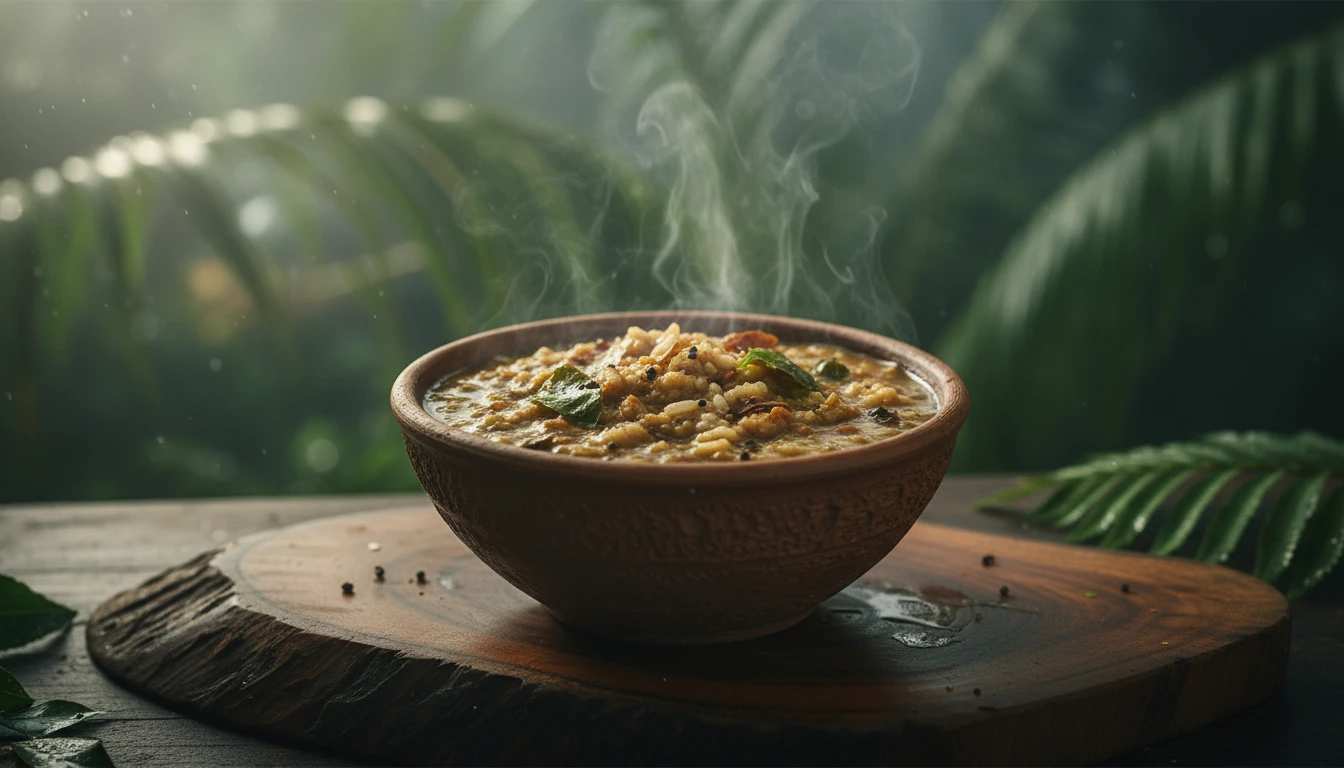
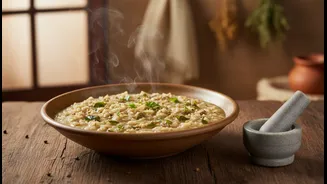
At the heart of this seasonal regimen is Karkidaka Kanji, also known as Oushadha Kanji (medicinal porridge). Far from being a simple gruel, it is a complex, medicated rice porridge designed to be both nourishing and therapeutic. The base is almost always Njavara rice, a specific short-grain red rice from Kerala lauded in Ayurveda for being easily digestible and having medicinal properties. This is slow-cooked with water and coconut milk, then infused with a variety of warming spices and potent herbs. Common spices include digestive aids like dry ginger (chukku), cumin (jeerakam), black pepper, and fenugreek (uluva). The 'medicine' part comes from specific Ayurvedic herbal powders, or 'choornas', which can include powerful combinations like Dashamoola (a group of ten roots) and Dashapushpam (ten sacred flowers).
The Health Claims Explained
The claims surrounding Karkidaka Kanji are extensive and deeply rooted in Ayurvedic theory. The primary benefit is believed to be boosting 'Agni', or the digestive fire, which is considered sluggish during the monsoon. The warming spices are said to kindle digestion, reduce bloating, and improve nutrient absorption. Another major claim is enhanced immunity. With the body considered more susceptible to infections during this season, the herbal ingredients are chosen to strengthen the body's natural defenses. Other purported benefits include gentle detoxification by eliminating metabolic toxins ('Ama'), relief from joint pain and stiffness aggravated by the damp weather, and an increase in overall energy to combat monsoon fatigue.
Separating Hype From Health
While Karkidaka Kanji has been a wellness cornerstone for centuries, it is important to view the claims through a modern lens. The practice is an example of 'Ritucharya', or a seasonal regimen, which is a core concept in Ayurveda for maintaining health. Many of the ingredients have recognized nutritional and therapeutic properties. For example, ginger is a well-known anti-inflammatory and digestive aid, cumin can help with bloating, and fenugreek has been studied for its anti-inflammatory effects. Njavara rice itself is nutrient-dense. However, it's crucial to understand that Karkidaka Kanji is a traditional wellness food, not a magic cure. There is a lack of large-scale, peer-reviewed clinical trials to substantiate many of the specific disease-curing claims sometimes attached to it. The benefits are best understood within the holistic framework of Ayurveda, where food, environment, and body are interconnected, rather than as a standalone medical treatment.
How to Approach the Kanji Season
For those interested in trying Karkidaka Kanji, the best approach is one of informed respect for tradition. It is typically consumed once a day, often as a replacement for dinner, for a period of 7, 14, or even 28 days during the Karkidakam month. While many households prepare their own, pre-made 'Kanji kits' are widely available. When choosing a kit, look for one with clear ingredients, preferably from a reputable Ayurvedic brand. It's important to remember that a truly therapeutic preparation is often personalized. According to Ayurvedic physicians, the specific herbal blend in the kanji should ideally be tailored to an individual's constitution ('Prakriti') and any existing health issues. Therefore, while a basic kanji is fine for general wellness, anyone with specific health concerns like diabetes or severe arthritis should consult an Ayurvedic practitioner before starting.