






The Science of Comfort Cravings
There's a fascinating science to our rainy-day cravings. When the sky is overcast and sunlight is scarce, our levels of serotonin, the brain's 'feel-good' chemical, can take a dip. [5, 10, 23] This can leave us feeling a bit low or tired. In response,
our brain seeks a quick fix. Carbohydrate-rich foods, especially sweet ones, can help boost serotonin production, providing a temporary lift in mood and a sense of calm. [9, 13, 15] Moreover, when it's cool and damp outside, our bodies instinctively crave warmth. [5, 25] Eating a warm dessert helps regulate our internal temperature, making us feel physically warmer and more comfortable in the chilly, humid weather. [5, 20] It’s a biological impulse, a smart strategy our bodies use to find energy and emotional balance when the weather turns gloomy.
A Hug in a Bowl: The Nostalgia Factor
Beyond brain chemistry, the pull of cosy desserts is deeply rooted in emotion and memory. [8, 11] The smell and taste of a familiar sweet can transport us back in time, often to happy moments from childhood. [10, 18] This phenomenon, known as food nostalgia, is powerful because the parts of the brain that process smell and taste are closely linked to those governing emotion and memory. [11, 17] A single bite can evoke feelings of safety, love, and care associated with family gatherings or being looked after when we were young. [8, 16] During the monsoon, when we tend to spend more time indoors and life slows down, we naturally become more introspective. [22] A warm dessert becomes more than just food; it's an edible hug, a moment of security and connection to our past that feels deeply reassuring against the backdrop of a stormy day. [10, 11]
India's Monsoon Sweethearts
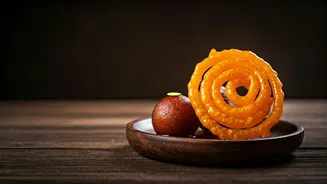
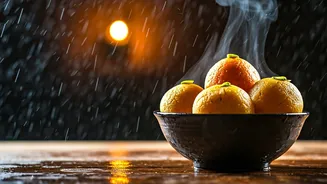
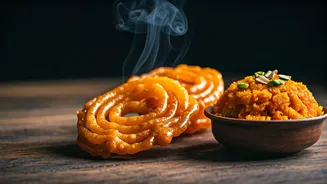
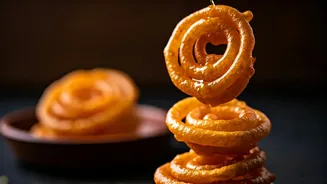
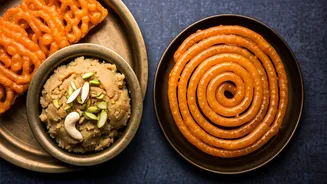
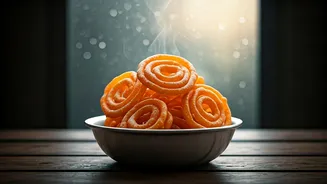
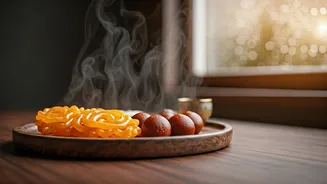
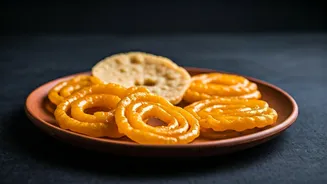
In India, the bond between the monsoon and dessert is a celebrated culinary tradition, with every region offering its own specialities. Warm Gulab Jamuns, soft and soaked in fragrant syrup, are a near-universal favourite when the rain begins to fall. [7] The sizzle of Jalebis being fried, before being dunked into sugar syrup, is a sound and taste synonymous with rainy evenings. [3] Another classic is Halwa; whether it's rich Gajar ka Halwa or simple Suji ka Halwa, the fun of eating a warm bowl on a rainy day is unparalleled. [7] Kheer or Payasam, a creamy rice pudding made in various styles across the country from Bengali Payesh to Keralan Ada Pradhaman, serves as the perfect comforting conclusion to a meal. [3, 6] Even region-specific delicacies like Rajasthan's Ghevar, a disc-shaped sweet whose unique texture is best achieved in the monsoon's humidity, become stars of the season. [2, 4, 24] These aren't just sweets; they are seasonal rituals that bring people together.
More Than Just Sugar
Ultimately, the reason cosy desserts rule the rainy season is because they offer a multi-sensory experience that goes far beyond taste. It's the warmth of the bowl in your hands, the aromatic steam that promises comfort, and the act of sharing something delightful with loved ones while listening to the sound of rain outside. These moments of simple pleasure are a powerful antidote to the gloominess of the weather. [25] Sharing a plate of hot Malpuas or passing around a bowl of kheer fosters connection and creates new, happy memories. [7, 19] It’s a tradition that reinforces social bonds and offers a collective feeling of well-being. So when you find yourself reaching for that sweet treat on a rainy day, know that you’re not just satisfying a craving. You are partaking in a ritual of comfort, nostalgia, and connection that makes the monsoon season so special.