
The Ancient Magic of Fermentation
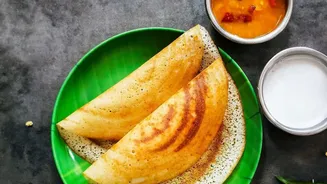
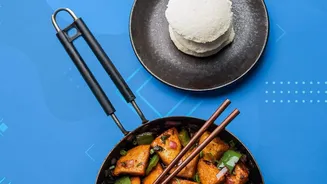
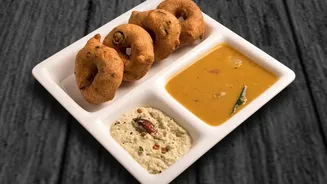
At its heart, the process is simple yet profound. The batter for dishes like idli and dosa, typically made from a blend of rice and urad dal (black lentils), is left to rest for several hours. During this time, naturally present microorganisms, primarily
beneficial bacteria and yeasts, get to work. They consume the natural sugars and starches in the batter, transforming the mixture in remarkable ways. This natural process, used for centuries, not only leavens the batter, giving idlis their characteristic sponginess, but also kickstarts a series of changes that make the food incredibly beneficial for our digestive system.
A Probiotic Powerhouse for Your Gut
The most celebrated benefit of fermentation is the creation of probiotics. These are live, beneficial bacteria, such as Lactobacillus, that colonise our gut. A healthy and diverse gut microbiome—the community of trillions of microbes in our digestive tract—is crucial for overall wellness. It aids in digestion, strengthens the immune system, and can even influence our mood. Regular consumption of fermented foods like dosa and idli helps maintain a healthy balance of good bacteria in the gut, which can prevent issues like bloating and indigestion. Research has shown that a diet rich in fermented foods can increase the diversity of gut microbes and decrease molecular signs of inflammation.
Easier Digestion and Nutrient Absorption
Fermentation essentially 'pre-digests' the food for you. The microorganisms break down complex carbohydrates and proteins into simpler, more easily digestible forms. This means your digestive system has less work to do, which is why idli is often recommended as a first food for babies and for those with sensitive stomachs. Furthermore, the process neutralises 'anti-nutrients' like phytic acid, which are naturally present in grains and lentils. Phytic acid can bind to minerals and prevent their absorption. By breaking it down, fermentation unlocks essential minerals like iron, zinc, and calcium, making them more available for your body to use.
A Note on Cooked vs. Raw Fermentation
It's important to understand a key nuance. While the raw batter for idli and dosa is teeming with live probiotics, the cooking process (steaming or frying) kills most of these live bacteria. However, this doesn't negate the health benefits. The food remains highly digestible and nutrient-rich. Even without the live cultures, the byproducts of fermentation, known as postbiotics, deliver significant benefits to the gut. These compounds can directly interact with your immune cells and help feed the existing good bacteria in your gut, effectively acting as prebiotics. So, while the cooked idli may not be a 'probiotic' food in the strictest sense, it remains an exceptionally gut-friendly one.
More Than Just Idli and Dosa
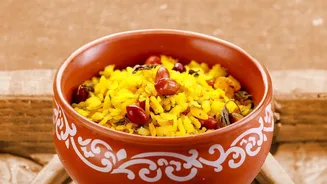
The world of South Indian fermented foods extends beyond its most famous duo. Appam, a lacy pancake made from a fermented rice and coconut batter, offers similar benefits. Pazhaya Sadam, a traditional dish made from leftover rice soaked in water and left to ferment overnight, is another gut-soothing preparation known for its cooling properties and probiotic content. These traditional foods are a testament to the wisdom of using natural processes to create meals that are not only delicious but also deeply nourishing and supportive of our internal ecosystem. By incorporating these foods into a balanced diet, you are tapping into a time-honoured tradition of wellness.