



Why Early Planning Prevents Problems
Leaving instructions until the last minute is a recipe for confusion. When you're rushing to pack or leave for a trip, it's easy to forget a crucial detail about your pet's dietary needs. Deciding on the feeding plan early allows you to think clearly
and document everything without pressure. This gives your pet-sitter ample time to review the instructions, ask clarifying questions, and get comfortable with the routine before you've even left. A well-prepared sitter is a confident sitter, which translates to a calmer environment for your pet. Their routine is a source of comfort, and maintaining it, especially their feeding schedule, is key to reducing their anxiety while you are away.
The Core Details: What, When, and How Much
Vague instructions like "feed him twice a day" are not helpful and can lead to over or underfeeding. Your handover sheet must be specific. List the exact brand and type of food your pet eats. Specify the precise quantity for each meal, using standard measurements like '1/2 cup' or 'one 85-gram can'. Clearly state the times for breakfast and dinner. If you have multiple pets, create separate, clearly labelled instructions for each one to avoid mix-ups, especially if they are on different diets. It’s also wise to show the sitter where the food is stored and even pre-measure meals into separate containers for the first few days to eliminate any guesswork.
Beyond the Bowl: Water, Treats, and Medications
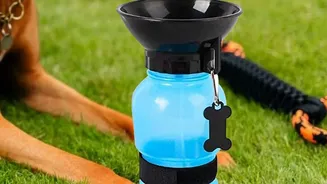
Feeding isn't just about main meals. Specify where the water bowl is and that it should always be filled with fresh water. The rules around treats are just as important. State exactly which treats are allowed, how many your pet can have per day, and when they are typically given. This prevents a well-meaning sitter from overindulging your pet, which could lead to an upset stomach. If your pet requires medication with their food, the instructions need to be flawless. Detail the medication name, dosage, time, and method of administration (e.g., 'hidden in a pill pocket' or 'crushed in wet food'). Being explicit is essential for your pet's health and safety.
The 'Do Not Feed' List and Contingency Plans
Just as important as what your pet can eat is what they cannot. Create a clear 'Do Not Feed' list. This should include common human foods that are toxic to pets, as well as any specific ingredients your pet may be allergic or sensitive to. You also need to plan for the unexpected. What should the sitter do if your pet refuses to eat, vomits after a meal, or seems unwell? Provide clear, step-by-step instructions. For example: "If she skips one meal, please text me. If she skips two consecutive meals, please call the vet." This empowers the sitter to act appropriately and gives you peace of mind.
Putting It All in Writing
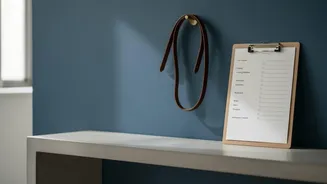
Once you have all the details, put them into a clear, easy-to-read document. A typed sheet is often better than a handwritten note, as it's more legible. Use headings and bullet points to make the information scannable. Place this sheet in a prominent location, like on the kitchen counter or taped to the fridge. Consider creating a 'pet packet' that includes the feeding instructions, your contact information, the vet's number, and an emergency contact. Taking the time to create a comprehensive and easy-to-understand guide is an act of care that sets everyone—you, your pet, and your sitter—up for a successful and stress-free time apart.