





Beyond the glow of city lights lies a universe waiting to be seen. For those in search of cosmic wonder, India’s Western Ghats—a UNESCO World Heritage site famed for its lush hills and rich biodiversity—offer some of the darkest skies in the region.
Bhandardara: The Lakeside Classic
Nestled
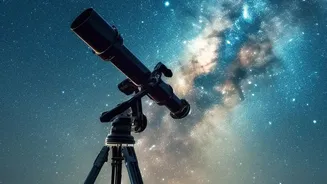
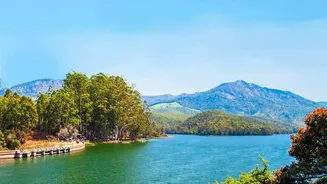
by the tranquil Arthur Lake, Bhandardara is a well-established favorite for stargazers from Mumbai and Pune. The region's seclusion within the Sahyadri mountain range means light pollution is significantly low. On clear, moonless nights, the Milky Way becomes visible to the naked eye, reflecting beautifully on the lake's surface. The area is home to numerous campsites that often host guided astronomy sessions with powerful telescopes, making it an accessible yet profound introduction to the cosmos.
Velhe: The Dark Sky Secret
Considered one of Maharashtra's best-kept secrets for astronomy, Velhe is a valley shielded on three sides by mountains that block out distant city glow. Just a couple of hours from Pune, it offers exceptionally dark skies where the full band of the Milky Way, complete with its dark dust lanes, can be overwhelming. Its high elevation and minimal light pollution provide stunning clarity, allowing observers to spot fainter objects like the Andromeda Galaxy with ease on a good night.
Kalsubai Peak: The Summit Experience
For the more adventurous, a night trek to Kalsubai, the highest peak in Maharashtra, offers a dual reward: a challenging hike and a stellar night sky. Climbing under a blanket of stars, far above the haze and lights of the plains, provides an unparalleled sense of immersion. Trekkers often start late at night to reach the 5,400-foot summit by dawn. The experience of watching constellations wheel overhead from the 'Everest of Maharashtra' is nothing short of magical.
Coorg: Coffee Plantations and Constellations
Known for its rolling hills and coffee estates, Coorg in Karnataka is a prime stargazing destination in the southern Western Ghats. The region's elevation and vast stretches of undeveloped land create natural barriers to light pollution. Choosing a homestay in a more remote area like Kutta or near Tadiandamol Peak, away from the main town of Madikeri, can yield Bortle Class 2 or 3 skies—dark enough for the Milky Way to cast a faint shadow.
Mulshi Dam: The Forested Escape
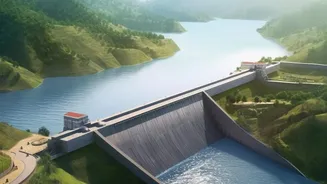
A relatively short drive from Pune, Mulshi Dam is surrounded by a dense forest that acts as a natural buffer against light pollution. The area's watershed protection zones limit construction, preserving the darkness needed for quality stargazing. The clean atmosphere, a result of the surrounding woods, improves transparency, making it a reliable spot for viewing constellations and planets. It's an ideal choice for a quick weekend escape to reconnect with the night sky.
Panchgani Table Land: The Plateau with a 360'-Degree View
As one of Asia's largest volcanic plateaus, Table Land in Panchgani offers a vast, flat expanse with unobstructed, 360'-degree views of the sky. Its elevation of over 4,500 feet places you above much of the atmospheric haze. While the town of Panchgani has some lights, the sheer size of the plateau allows you to find a dark spot to set up. It’s an especially great location for watching meteor showers, which require a wide, open horizon.
Vaitarna Dam: The Remote Retreat
Located in one of the darker spots in Maharashtra, the area around Vaitarna Dam is a haven for those seeking true serenity. It is more remote than some of the other locations, meaning the journey is longer but the payoff is a sky with minimal interference. Lakeside camping is a popular option here, allowing visitors to spend the entire night immersed in nature, watching the stars move across a pristine, dark canvas from dusk until dawn.
Pawna Lake: The Open Horizon
A popular camping destination, Pawna Lake's main astronomical advantage is its wide, open water. The lake creates a flat, dark horizon, perfect for observing celestial events low in the sky. Its distance from both Mumbai and Pune ensures the sky is dark enough to reveal the Milky Way on clear, moonless nights. The area is particularly well suited for catching meteor showers like the Perseids in August or the Geminids in December.