








A Tale of Two Worlds
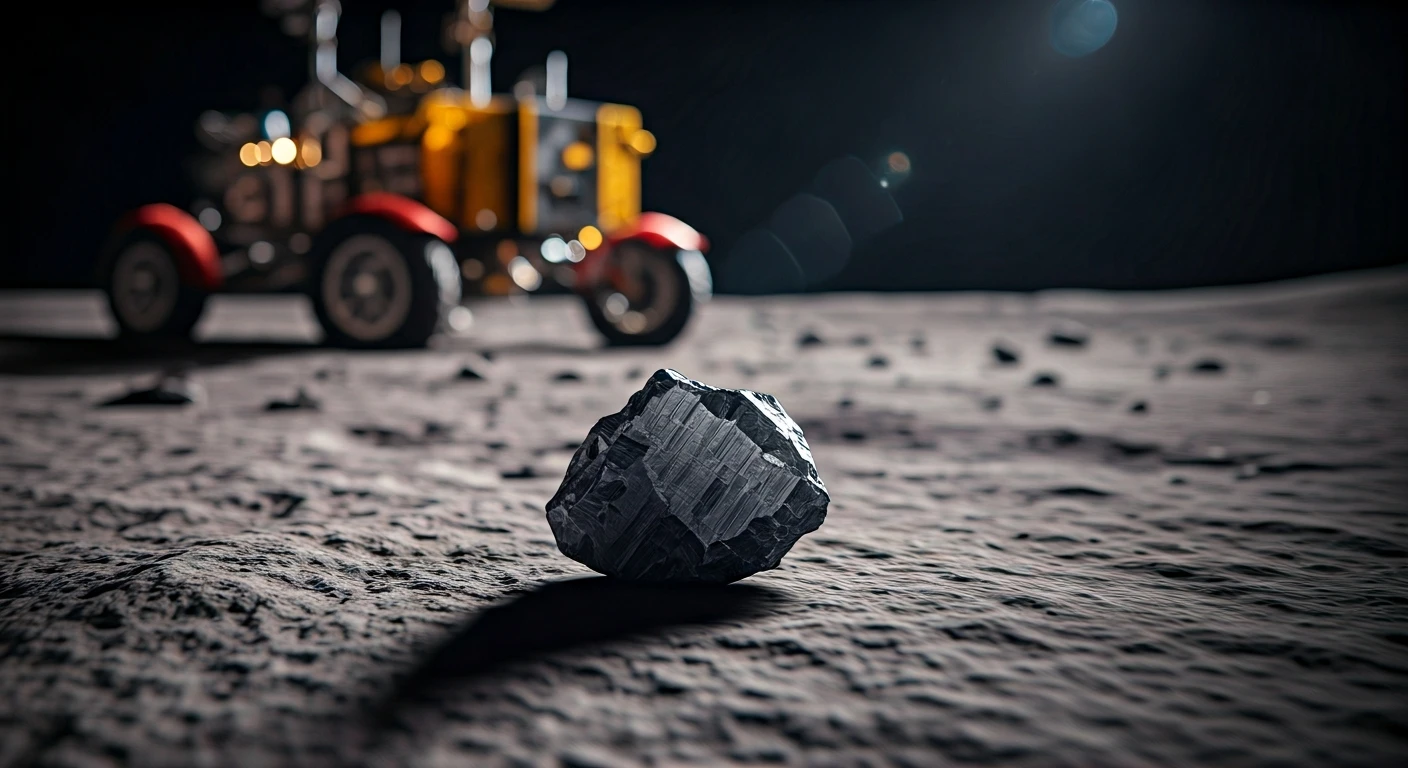
In a remarkable scientific discovery, researchers have found a strong chemical similarity between the lunar soil at Shiv Shakti Point and a meteorite discovered in Antarctica. A study led by scientists at the Physical Research Laboratory (PRL) in Ahmedabad
revealed that data from the Pragyan rover's instruments matches the composition of a lunar meteorite named ALHA 81005. This meteorite was found in the Allan Hills of Antarctica back in 1982 and was the very first rock confirmed to have originated from the Moon. This doesn't mean the specific meteorite came from that exact spot, but rather that the landing site and the meteorite represent a similar type of lunar crust, one that is rich in certain minerals and tells a deeper story about the Moon's formation.
What is Shiv Shakti Point?
Shiv Shakti Point is the official name for the site where the Chandrayaan-3 mission’s Vikram lander successfully touched down on August 23, 2023. Located near the Moon's south pole, at coordinates 69.37°S latitude and 32.32°E longitude, this achievement made India the first nation to land in this unexplored region and the fourth country ever to achieve a soft landing on the Moon. The name itself is deeply symbolic; Prime Minister Narendra Modi explained that 'Shiv' represents the resolve for human welfare, while 'Shakti' signifies the power and strength needed to achieve those goals, also paying tribute to the women scientists behind the mission. The International Astronomical Union (IAU) officially approved the name 'Statio Shiv Shakti' in March 2024.
The Chemical Fingerprint
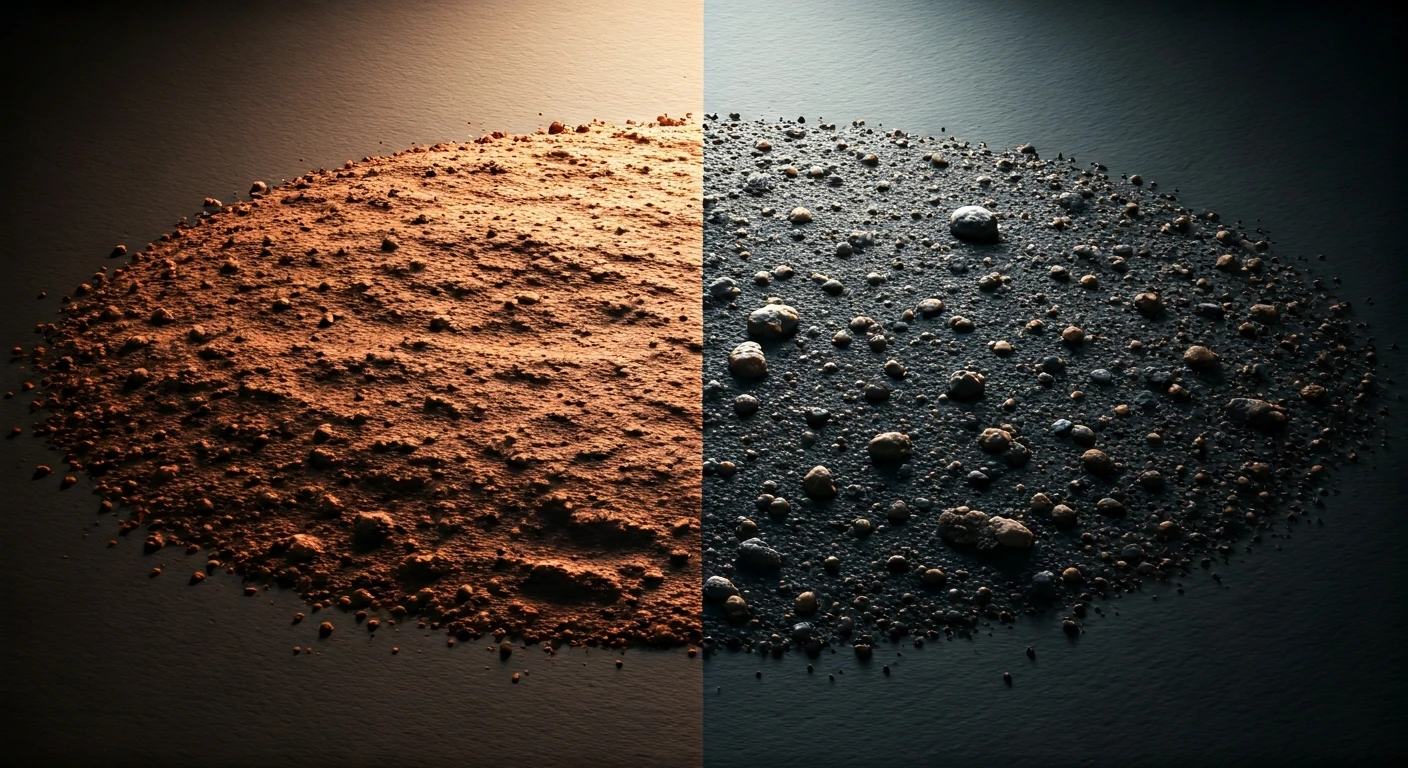
The Pragyan rover, after rolling down from the Vikram lander, used its Alpha Particle X-ray Spectrometer (APXS) to analyse the elemental composition of the lunar regolith, or surface soil. The data showed that the soil at Shiv Shakti Point was unusually rich in iron and magnesium, but had lower levels of aluminium compared to typical lunar highlands. When scientists compared these findings with the chemical profiles of 66 known lunar meteorites found on Earth, ALHA 81005 was an almost exact match. For instance, the soil at the landing site contains about 14.4% combined iron-and-magnesium-oxide, very close to the meteorite's 13.7%. This similarity provides a crucial link between in-situ measurements on the Moon and physical samples available for study on Earth.
Clues to a Violent Past
The unique composition points to a complex geological history. Scientists believe the Shiv Shakti site is not made of a single rock type but is a mixture of materials from different depths of the Moon's crust. One leading theory is that this mixing was caused by a colossal impact event billions of years ago that created the South Pole-Aitken (SPA) basin, one of the largest known impact craters in the solar system. The Chandrayaan-3 landing site is located about 350 km from the basin's rim. It's hypothesised that this ancient impact was so powerful that it excavated material from deep within the Moon's crust and mantle, scattering these magnesium-rich rocks across the surrounding region, including the area where Pragyan is now exploring.
Why This Finding Matters
This discovery is significant for several reasons. Firstly, it validates the high quality of the data from Chandrayaan-3's instruments by matching it against a known, lab-analysed sample. Secondly, it enriches our understanding of the Moon’s evolution, supporting the 'Lunar Magma Ocean' hypothesis, which posits the Moon was once covered in molten rock. By connecting a specific location on the Moon to meteorites on Earth, it helps scientists pinpoint the possible origins of these cosmic messengers. This knowledge is invaluable for future missions, including India's planned Chandrayaan-4 sample-return mission and the broader Artemis program, as it highlights the south polar region as a geologically diverse and scientifically rich area for deeper exploration.