





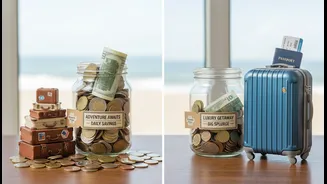



What Exactly Is a Travel Sinking Fund?
A sinking fund is a savings strategy where you set aside a small amount of money each month for a specific, planned expense. Unlike a general savings account, which is often ambiguous, or an emergency fund, which is for true surprises like a job loss,
a sinking fund is for costs you know are coming. For travel, this means creating a dedicated pot of money for everything from flights and hotels to the smaller details. The goal is to break down a large expense into manageable monthly contributions so that when it's time to book, the money is already there, waiting. This proactive approach allows you to pay for your vacation in cash, avoiding post-trip credit card debt and the stress that comes with it.
Covering the Big Costs: Fares and Insurance
Two of the biggest hurdles in travel planning are airfare and insurance. A sinking fund tackles both. By saving consistently, you'll have the cash on hand to book flights when you spot a good deal, rather than waiting for your next paycheque when prices may have risen. This fund also ensures you can afford proper travel insurance, which is a critical but often overlooked expense. On average, a comprehensive travel insurance plan can cost between 4% and 10% of your total trip cost. For a $5,000 trip, that could be anywhere from $200 to $500. Having this money set aside in your sinking fund means you can purchase robust protection without hesitation, covering you for trip cancellations, medical emergencies, and other unforeseen issues.
The Power of Paying for Flexibility
In today's travel landscape, plans can change. Airlines have responded by offering various fare classes, from restrictive basic economy tickets to more expensive 'flex' fares that allow changes without hefty penalties. A flexible ticket might cost more upfront—sometimes 15% or higher than a standard fare—but it provides peace of mind. With a well-stocked sinking fund, you have the option to purchase these more accommodating fares. This means if a meeting gets rescheduled or you decide to extend your stay, you can make adjustments without forfeiting the original cost of your ticket. The fund acts as a buffer, giving you the financial freedom to choose flexibility when it matters most, effectively helping you avoid change fees that can sometimes exceed the initial ticket price.
How to Start Your Travel Fund Today
Setting up a travel sinking fund is straightforward. First, define your travel goal and estimate the total cost. Be realistic and include everything from airfare and accommodation to food, activities, and insurance. Second, set a timeline. Decide when you want to take your trip. Third, do the maths: divide the total estimated cost by the number of months you have until your departure. This gives you your monthly savings target. For example, to save ₹1,20,000 for a trip in one year, you would need to set aside ₹10,000 each month. The final step is to automate it. Set up a recurring monthly transfer from your primary bank account to a separate, dedicated high-yield savings account. This 'out of sight, out of mind' approach ensures you're consistently building your fund without having to think about it.