








From a UN Proposal to Global Event
The story of International Day of Yoga (IDY) begins not in an ashram, but at the United Nations. In 2014, Prime Minister Narendra Modi proposed the idea during his address to the UN General Assembly, framing yoga as an “invaluable gift of India's ancient
tradition.” The proposal was a remarkable diplomatic success, co-sponsored by a record 177 nations and adopted in less than three months. This swift, widespread support instantly elevated Yoga Day from a national initiative to a globally recognized event. It was a masterstroke of soft power, positioning India as a global leader in wellness and culture. The choice of June 21, the summer solstice, was also symbolic, marking the longest day of the year in the Northern Hemisphere and holding special significance in many parts of the world.
The Making of a Mass Movement
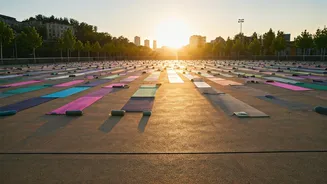
While the UN declaration provided the global stage, the real “hype” was built at home. The Indian government, particularly through its Ministry of AYUSH, drove a massive public campaign to make Yoga Day a household event. The first IDY in 2015 saw a staggering 35,985 people, including PM Modi, perform 21 asanas at Rajpath (now Kartavya Path) in New Delhi, setting two Guinness World Records. Since then, these mass demonstrations have become the day's signature feature. Events are held in every corner of the country, from army bases in Siachen and naval ships at sea to iconic landmarks, schools, and corporate offices. This top-down push created a powerful sense of national participation, turning an individual practice into a collective celebration.
Riding the Modern Wellness Wave
The success of Yoga Day isn't just about government promotion. It perfectly tapped into the global and domestic zeitgeist of wellness. In a world grappling with stress, burnout, and lifestyle diseases, yoga is no longer seen as an esoteric practice for ascetics. It has been embraced as a practical, accessible tool for physical and mental well-being. Yoga studios have mushroomed in Indian cities, and wellness apps have made it available on-demand. Yoga Day acts as an annual focal point for this larger movement. It gives millions of people—from seasoned practitioners to curious beginners—a reason to roll out their mats, share their progress, and feel part of a community focused on self-improvement and health.
A Symbol of Cultural Pride
Beyond the health benefits, Yoga Day resonates deeply with a sense of national pride. For many Indians, seeing an indigenous practice celebrated on a global scale is a source of immense satisfaction. It represents a reclamation and celebration of Indian heritage in the modern world. The event neatly packages an ancient philosophy into a format that feels both authentic and contemporary. This blend of tradition and modernity is potent. Participating in Yoga Day becomes an expression of identity, a way of connecting with one’s roots while engaging in a practice endorsed by science and popular culture alike. The visual of thousands of people moving in unison is a powerful symbol of unity and shared cultural heritage.
The Business of Zen
Finally, the hype is also fueled by commerce. Brands have been quick to capitalize on the Yoga Day buzz. From athleisure companies launching new collections and FMCG brands promoting healthy products to yoga centres offering free sessions, the day has become a significant marketing event. Influencers and wellness gurus leverage the day to grow their audience, while media outlets provide extensive coverage. This commercial ecosystem, while sometimes criticised for diluting the spiritual essence of yoga, undeniably amplifies its reach and visibility. It ensures that the conversation around yoga stays relevant and aspirational, contributing to the annual cycle of excitement and participation.