
A Planet of Dust
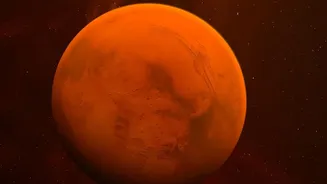
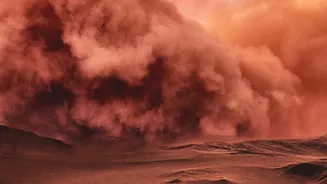
Mars is a world defined by dust. Its thin atmosphere and dry surface create the perfect conditions for massive dust storms. These aren't just small, localized events; they can grow to engulf the entire planet for weeks. The dust itself is incredibly fine,
more like talcum powder than sand, and it gets everywhere. While the winds aren't strong enough to tip over a lander, they are more than capable of lifting this fine powder high into the atmosphere, creating a thick haze that blots out the sun. Scientists have observed a seasonal pattern to these storms, with the dustiest part of the Martian year occurring during the southern hemisphere's spring and summer when the planet is closest to the sun. Understanding this seasonal cycle is the first step in predicting when and where these powerful storms will form.
The Silent Threat to Solar Power
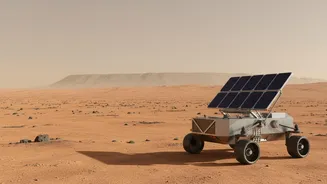
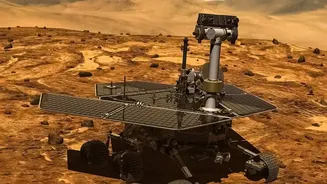
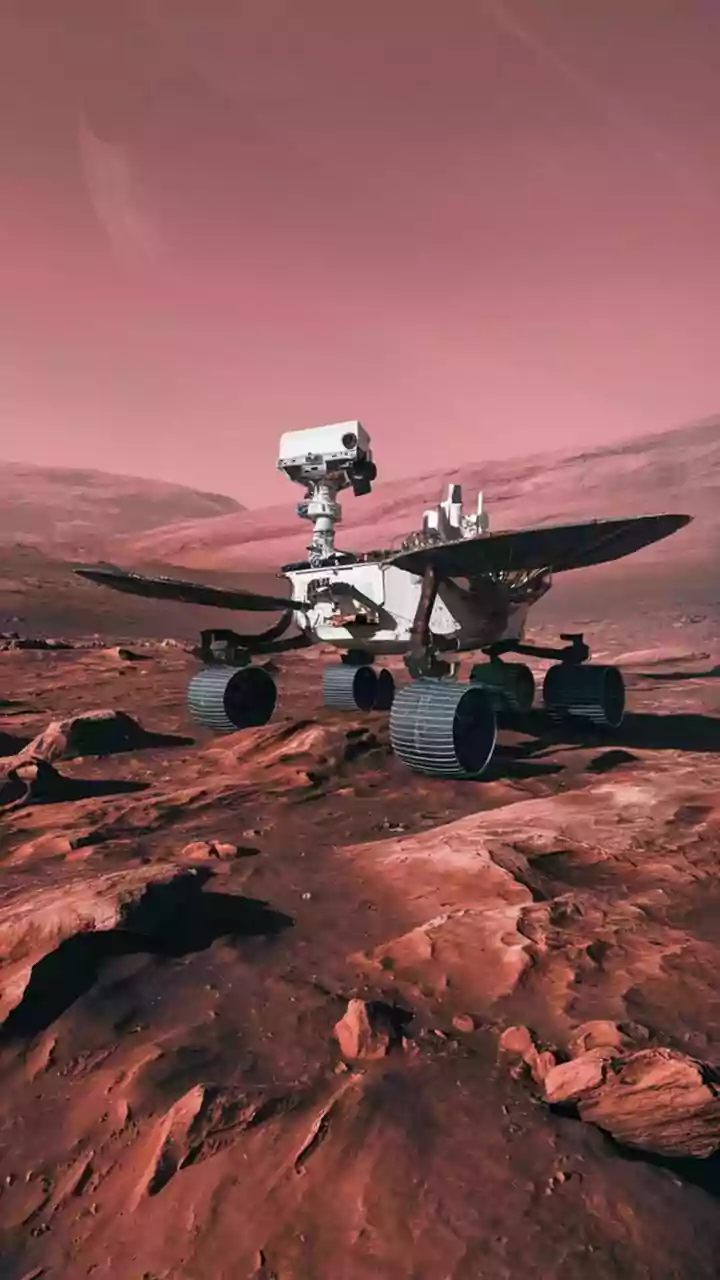
For missions that rely on the sun for energy, this dust is a death sentence. Solar panels, the lifeline for landers like the now-retired InSight, become progressively less efficient as they are coated in a layer of grime. At the beginning of its mission in 2018, InSight's solar arrays generated about 5,000 watt-hours each Martian day. By May 2022, that number had plummeted to just 500 watt-hours as dust relentlessly accumulated. Mission operators tried everything to clean the panels, including an ingenious plan to trickle sand nearby, hoping bouncing grains would knock some dust loose. While it offered a brief reprieve, it wasn't enough. The gradual loss of power forced the shutdown of scientific instruments and, eventually, the end of the entire mission. This wasn't the first time; the famed Opportunity rover met a similar fate in 2018 after a planet-encircling dust storm blocked the sun entirely.
Eyes in the Martian Sky
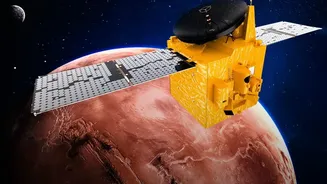
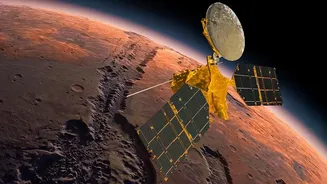
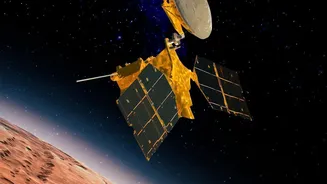
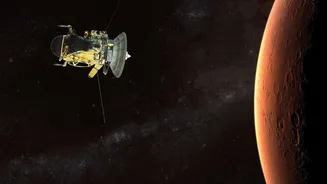
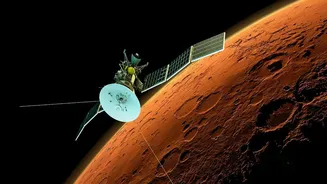
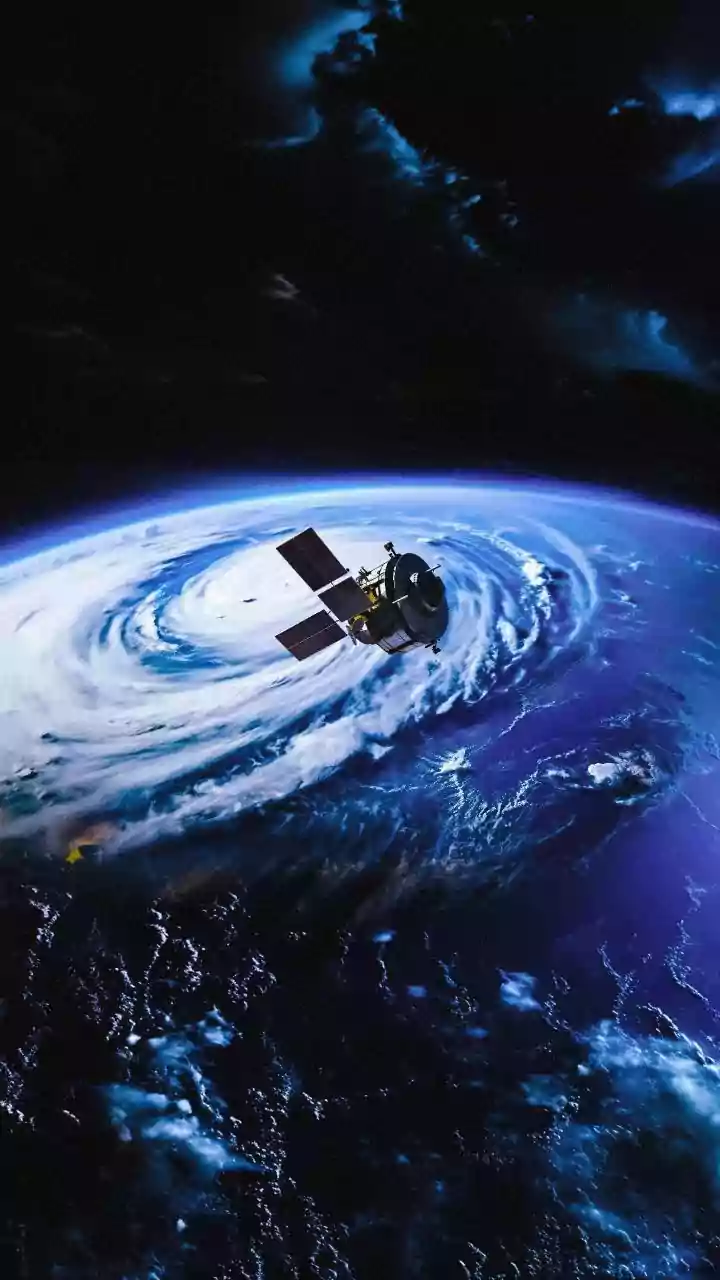
Fortunately, assets on the ground are not alone. A fleet of orbiters acts as a sophisticated, interplanetary weather service. The Mars Reconnaissance Orbiter (MRO), along with Mars Odyssey and MAVEN, continuously monitor the planet from above. MRO's Mars Color Imager (MARCI) instrument is particularly crucial, generating a daily global map that allows scientists to spot storms as they form and track their evolution, much like weather satellites tracking hurricanes on Earth. Other instruments, like the Thermal Emission Imaging System (THEMIS) on Odyssey and the Mars Climate Sounder on MRO, measure atmospheric temperatures. Since dust absorbs sunlight and warms the air, temperature changes are a clear indicator of dust storm activity and intensity.
From Data to Decisions
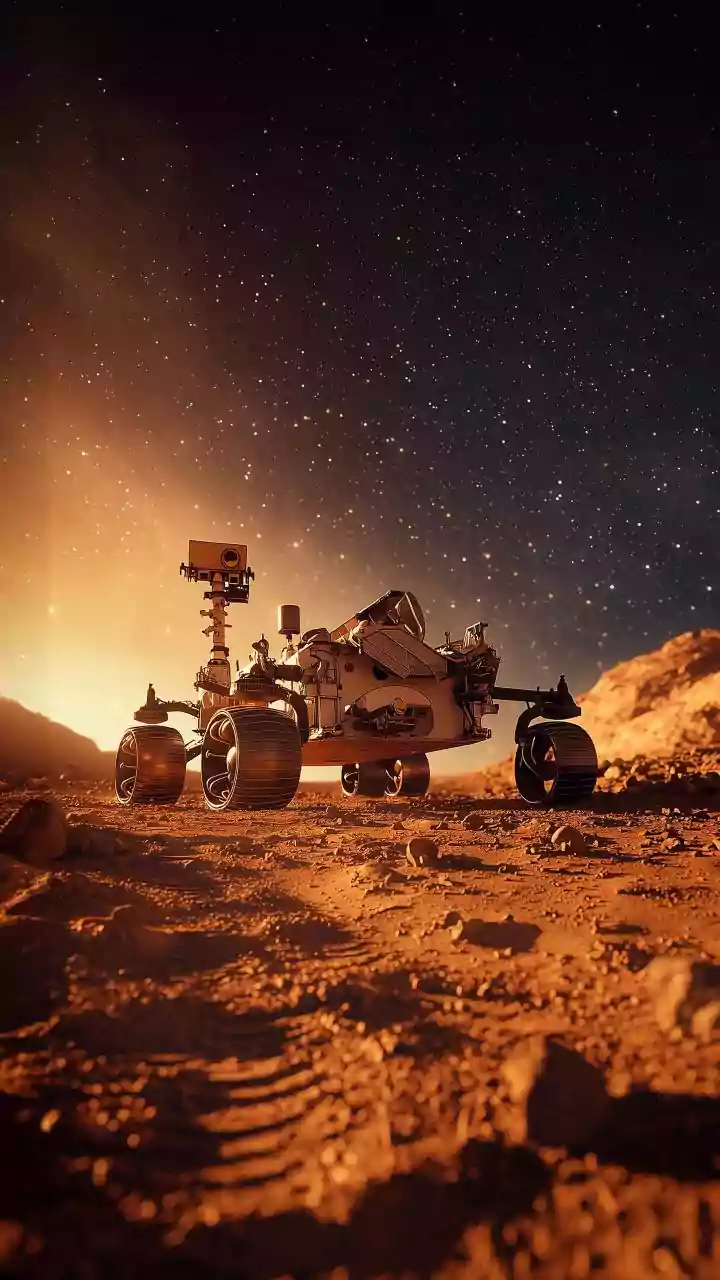
This orbital data is the backbone of Martian weather forecasting. When a storm is detected, the information is relayed to the teams operating surface missions. This acts as an early warning system, giving them time to prepare. For a solar-powered vehicle, this might mean suspending science operations to conserve energy, as InSight did multiple times before its final demise. For the nuclear-powered rovers, Curiosity and Perseverance, the risk isn't power loss, but the haze can still affect visibility and scientific observations. By combining data from orbiters with on-the-ground measurements from rovers' own weather stations, scientists build a comprehensive picture of the Martian climate. This allows them not only to react to current storms but also to improve models that predict when and where the next big one might hit.
Powering the Future of Exploration
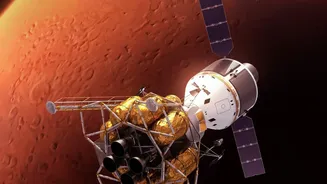
This constant monitoring is more than just protecting current investments; it's about paving the way for the future. As NASA and other space agencies plan more ambitious robotic missions and, eventually, human exploration, understanding the Martian dust cycle is a critical safety issue. Future habitats and power stations on Mars will need to be designed to withstand the pervasive dust and survive long periods of reduced sunlight during global storms. Some future missions may rely on nuclear power, like the Kilopower system currently in development, which is immune to dust storms. However, solar energy will likely remain part of the mix, making the ability to forecast Martian weather an indispensable tool. The lessons learned from protecting our current robotic explorers are foundational for ensuring the safety of the first human astronauts to walk on the Red Planet.