

The Return of a Relief Measure
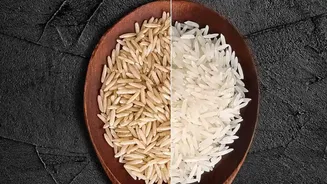
The Government of India is restarting the sale of 'Bharat' brand atta (wheat flour) and rice at subsidized rates after a hiatus of more than a year. This initiative was first launched in 2023 as a tool to control food inflation and make essential commodities
more affordable for consumers beyond those covered by the Public Distribution System (PDS). After being paused in April 2025 due to stabilized market prices, the scheme is being brought back ahead of the festive season to counter recent price increases in staples. The program operates under the Open Market Sale Scheme (OMSS) and utilizes the country's Price Stabilisation Fund (PSF) to make these lower prices possible. The goal remains the same: to ease the financial pressure on households by directly intervening in the retail market and offering high-quality essentials at a predictable, lower cost.
Decoding the New Prices and Packs
The core of the renewed scheme lies in its clear, uniform pricing. For the 2026-27 policy period, the maximum retail price (MRP) for Bharat Atta has been fixed at ₹32 per kilogram. This marks a slight increase from some earlier phases but continues to offer significant savings compared to open market rates, which have seen a 6-7% jump in the past month alone. For Bharat Rice, the government has introduced a tiered pricing structure. For 5 kg and 10 kg packs, the MRP is set at ₹35 per kg until October 31, 2026. After that date, from November 1, 2026, the price will see a marginal rise to ₹36 per kg. For those able to buy in larger quantities, a 30 kg pack of Bharat Rice is available at a lower rate of ₹33 per kg, which will adjust to ₹34 per kg from November. This structure gives consumers options based on their needs and budget, with clear visibility on pricing for the coming months.
Where to Find Bharat Staples
To ensure wide availability, the government is distributing Bharat Atta and Rice through a network of cooperative agencies. The primary distributors are the National Agricultural Cooperative Marketing Federation of India (NAFED), the National Cooperative Consumers' Federation of India Ltd (NCCF), and Kendriya Bhandar stores. These products will be available at the physical retail outlets of these agencies. In addition to fixed stores, a key part of the distribution strategy involves mobile vans. These vans are deployed across various localities to bring the subsidized staples closer to residential areas, improving access for those who may not live near a designated outlet. The government also has plans to expand sales through major e-commerce platforms and large retail chains to further increase the reach of the Bharat brand.
The Bigger Picture: Tackling Food Inflation
The reintroduction of the Bharat brand is a direct response to rising food costs and a strategic move to stabilize the market. By releasing stocks from the Food Corporation of India (FCI) at a subsidized rate, the government aims to increase the overall supply in the open market, which naturally helps to cool down prices. For this fresh allocation, the Ministry of Consumer Affairs has earmarked 50,000 tonnes of wheat for Bharat Atta and 300,000 tonnes of rice for Bharat Rice. While some experts note these quantities may not be large enough to drastically alter nationwide prices, the initiative serves as an important signal and provides a tangible benefit to consumers. It offers a benchmark price in the market and, most importantly, gives millions of families access to essential food items at a cost that is significantly lower than prevailing retail rates, providing direct and immediate relief to household budgets.