




Our Kitchens, The Original Wellness Labs
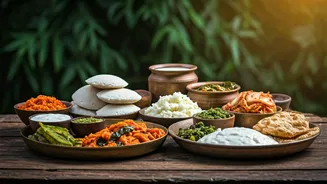
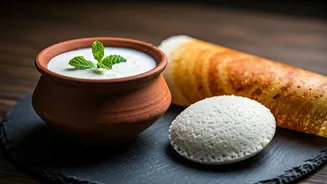
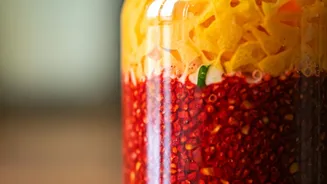
For generations, Indian households have practiced the art of fermentation. It wasn't a trend; it was a practical way to preserve food, enhance flavour, and make meals more digestible. That bowl of dahi, the fluffy idlis for breakfast, or the tangy achaar
on the side of your plate are all products of this age-old wisdom. This process, often passed down through generations, has always been an integral part of our culinary heritage, quietly supporting our health long before 'gut microbiome' became a buzzword. Today, science is confirming what our grandmothers knew all along: these humble, homemade staples are powerhouses of nutrition and crucial for maintaining a healthy digestive system.
The Simple Science of Fermentation
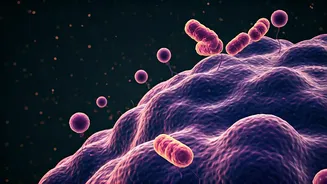
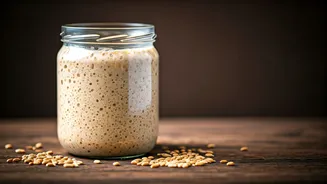
So, what exactly happens when you let dosa batter sit overnight? It’s a natural, controlled process where beneficial microorganisms, like bacteria and yeast, get to work. These tiny allies break down the complex starches and proteins in the food. This pre-digestion not only makes the food easier on our stomachs but also unlocks and increases the availability of vital nutrients like B vitamins, iron, and calcium. The most significant outcome is the creation of probiotics—live, good bacteria that help balance the ecosystem in our gut. A diet rich in these fermented foods can increase the diversity of our gut microbes, which studies show may help reduce inflammation and strengthen our immune system.
A Tour of India's Fermented Delights
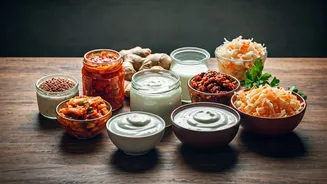
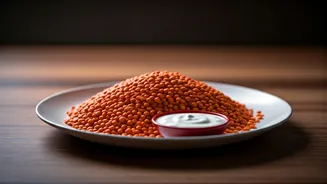
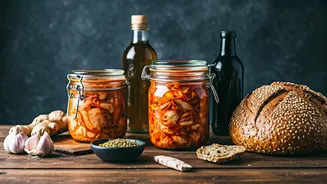
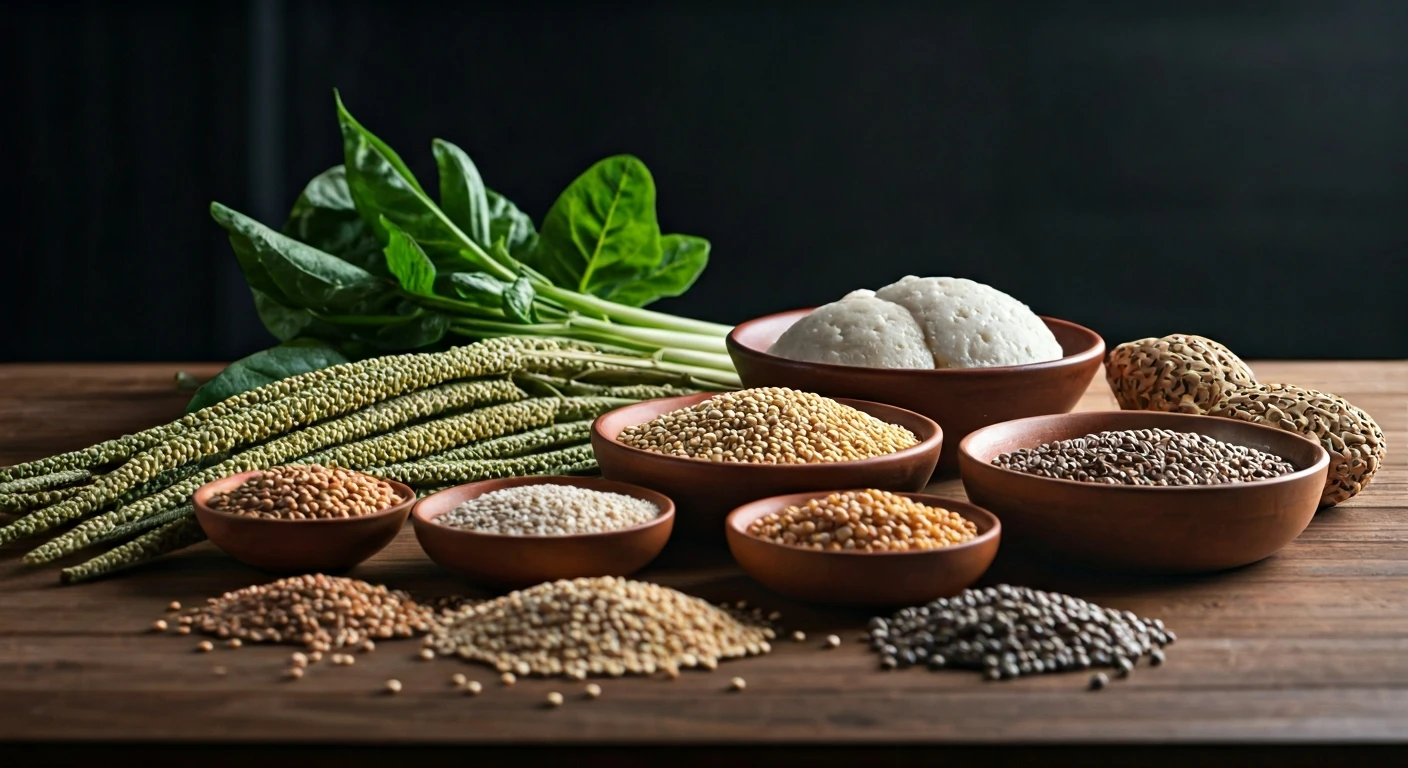
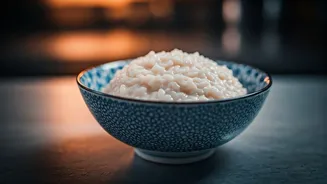
India's diverse culinary landscape offers a wide array of fermented treasures. In the South, the iconic idli and dosa are made from a fermented batter of rice and lentils, making them light, nutritious, and easy to digest. From Gujarat comes the spongy dhokla, a steamed cake made from fermented rice and chickpea flour. Dahi (curd or yogurt) is a pan-Indian staple, a natural source of probiotics like Lactobacillus that are essential for gut health. Beyond the obvious, there are regional gems like Kanji, a tangy North Indian drink made from fermented black carrots, and Panta Bhat or Pazhaya Soru in the East and South, which is fermented rice water packed with B vitamins. Even traditionally made pickles (achaar) are a source of beneficial bacteria.
Bringing Ancient Wisdom to the Modern Table
In an era of processed foods and quick-fix health fads, embracing our traditional food culture is more important than ever. Reintroducing these fermented staples into our daily diet doesn't require a drastic overhaul. It can be as simple as having a bowl of homemade dahi with your lunch, starting your day with idli, or enjoying a glass of chaas (buttermilk) in the afternoon. Unlike many modern health trends that can feel foreign and expensive, this wisdom is accessible, affordable, and already a part of our identity. It's about looking at familiar foods with a new appreciation for the sophisticated science they embody. These foods don't just nourish our bodies; they connect us to a rich culinary heritage that has always prioritized holistic well-being.