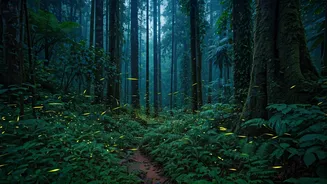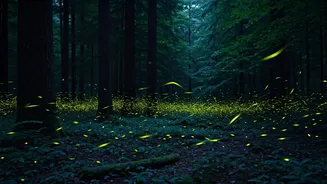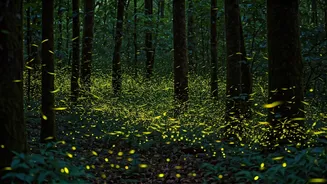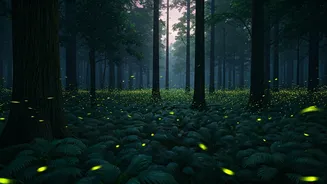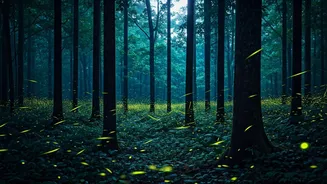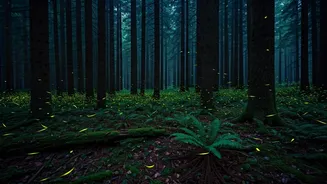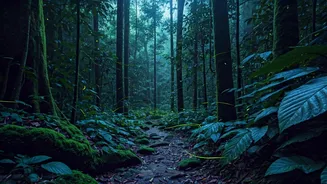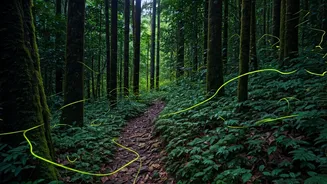


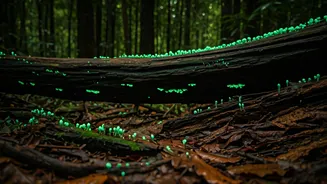


A Natural Light Show
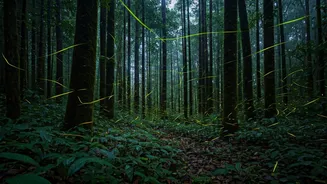
Every year, just before the monsoon rains arrive, a magical event unfolds across several parts of the Sahyadri range in Maharashtra. This is not just a random flickering of insects; it's a coordinated performance. Thousands upon thousands of fireflies
flash their lights in unison, creating waves of light that pulse through the trees. For a few precious weeks, patches of forest from Bhandardara to Purushwadi become natural art installations, drawing nature lovers, photographers, and city dwellers seeking a quiet escape. This phenomenon, often dubbed a 'firefly festival', is a powerful reminder of the hidden wonders within India's rich biodiversity.
The Science of the Glow
What drives this enchanting display? It’s all about a biological process called bioluminescence, coupled with a fascinating mating ritual. Fireflies produce a chemical reaction inside their bodies involving a compound called luciferin, which emits light. The flashing isn't just for show; it's a complex language. Male fireflies flash in specific patterns to attract females. In some species, when a large number of males gather, they begin to synchronise their flashes. Scientists believe this collaborative flashing makes it easier for females to spot them and respond, increasing the chances of successful mating. The result is the mesmerising, rhythmic pulse of light that seems to make the entire forest breathe.
Where to Witness the Magic
Several locations in the Western Ghats of Maharashtra have become famous for this annual event. The village of Purushwadi, promoted by grassroots organisations, offers a community-led ecotourism experience. Here, you can stay in local homes and be guided by villagers. The area around the Bhandardara dam, including villages like Samrad and Ratanwadi, is another hotspot. Its dark skies and dense forests provide the perfect canvas for the fireflies. Other notable spots include the Bhimashankar Wildlife Sanctuary, Rajmachi Fort trek area, and Panshet. Many local tour operators organise dedicated firefly-watching treks and camping trips, but it's crucial to choose one that prioritizes conservation.
The Perfect Time to Visit
Timing is everything. The firefly season is a short and specific window, typically starting in mid-May and lasting until mid-to-late June, right up until the heavy monsoon showers begin. The peak activity usually occurs in the two weeks before the first major rains. The best viewing conditions are on moonless nights, as the darkness makes the fireflies' glow appear even more brilliant. Weather plays a significant role; a light pre-monsoon shower can sometimes enhance the activity, but heavy rain will bring the show to a halt. It’s wise to check local weather forecasts and consult with tour guides before planning your trip.
Golden Rules for Responsible Viewing
The growing popularity of firefly festivals poses a threat to these delicate creatures. To ensure their survival, every visitor must act as a guardian. Firstly, minimise all forms of light pollution. Avoid using bright torches; if you must use one, cover it with a red filter, as fireflies are less sensitive to red light. Absolutely do not use your phone's flash or try to capture the fireflies in jars. Secondly, maintain silence. Loud noises disturb their mating rituals. Walk quietly and speak in hushed tones. Lastly, stick to the designated trails. Venturing off-path can damage the habitat and trample on female fireflies or larvae, which are often on the ground or in low bushes. The goal is to be a silent observer, not an intruder.