


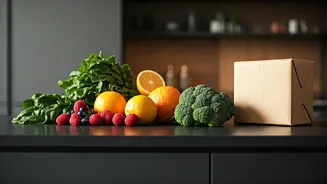


From Groceries to Gadgets and Gifting
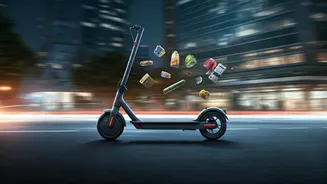
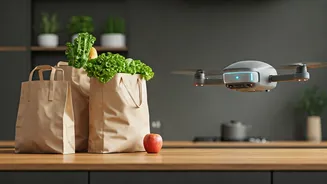
The initial promise of quick commerce, or q-commerce, was simple: deliver daily essentials like milk, bread, and vegetables in under 30 minutes. [6, 11] Platforms like Blinkit, Zepto, and Swiggy Instamart built a massive user base on this premise, concentrated
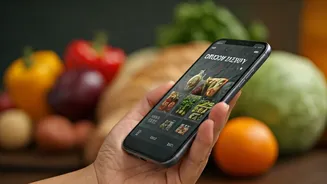
in dense Tier-I cities like Bengaluru and Mumbai. [3] But the habit they cultivated is now being leveraged for a much wider ambition. These platforms are aggressively expanding into higher-value categories. Zomato-owned Blinkit now delivers HP laptops, Canon printers, and monitors in minutes across several cities. [13, 26, 28, 29] It has also entered into partnerships to deliver apparel and footwear from major brands like Adidas and Puma, offering 10-minute returns to solve for 'size anxiety'. [24] Similarly, Swiggy Instamart has integrated its 'Mall' feature, adding over 35 categories including electronics, toys, dinner sets, and even coolers. [14] Zepto is also moving into electronics, fashion, and even launched a 10-minute medicine delivery service in select areas. [9, 15, 17]
The Business of 'Instant Everything'
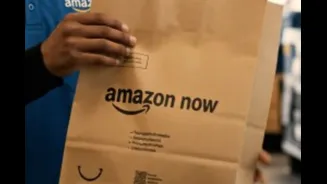
The strategic pivot beyond groceries is driven by simple economics. Groceries are a high-frequency, but notoriously low-margin, business. [18] To achieve profitability, platforms must increase the average order value (AOV). Selling a smartphone, a pair of sneakers, or a gaming console alongside a weekly grocery top-up dramatically improves the unit economics of each delivery. This expansion allows quick commerce players to function as horizontal marketplaces, competing not just with each other but with e-commerce giants like Amazon and Flipkart. [13, 17] Furthermore, by stocking a wider assortment of products, from snacks and beverages to personal care and household goods, they increase their indispensability to the urban consumer, fostering loyalty and more frequent purchases. [4, 5, 22] The market is booming, with projections suggesting it could reach between $42 billion and $70 billion by 2030, transforming the retail landscape. [13, 22]
Remaking the Urban Retail Landscape
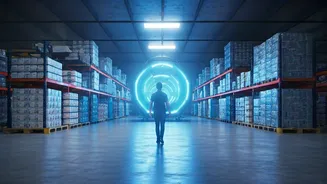
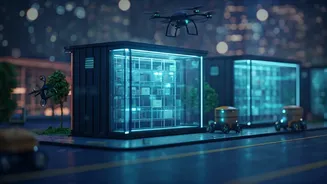
This rapid evolution is sending shockwaves through the entire retail ecosystem. The convenience of 10-to-30 minute delivery has fundamentally altered consumer expectations. [4, 7] Before quick commerce, only a third of frequent users preferred online platforms for daily shopping; that number has since soared to 87%. [4] This shift is putting immense pressure on traditional kirana stores and even larger modern trade outlets, which face challenges from reduced footfall and intense price competition. [7, 11, 12] To facilitate this expansion, companies are investing in larger 'dark stores' or micro-fulfilment centres, some up to 12,000 sq ft, capable of housing tens of thousands of products. [17, 27] This logistical backbone, powered by AI for demand forecasting and route optimisation, is the engine of the instant economy. [6]
Expansion Beyond the Metros
While the trend was born in India's metros, the next phase of growth is happening in Tier-II and Tier-III cities. [3] Flipkart Minutes, for instance, reported a 42x increase in scale in smaller towns compared to the previous year, expanding to over 90 new cities like Purnia, Ambala, and Jorhat. [19, 21] This expansion signals that the demand for convenience is a nationwide phenomenon. [19] Players are finding that while the product mix may differ—with a stronger focus on staples in smaller cities versus five types of avocados in Bengaluru—the underlying desire for speed is universal. [21] This growth into 'Bharat' is a key focus for platforms looking to capture the next wave of online shoppers and solidify their market position ahead of potential public listings. [19, 21]
How Wide Can This Habit Go?
The question now is what the ceiling for instant delivery is. Having conquered groceries, electronics, and fashion, what comes next? While the model offers unprecedented convenience, its long-term sustainability and profitability across all categories are still being tested. [5] The operational costs are high, and the model relies on high order density to work. [3, 18] Challenges remain, including the intense pressure on a gig workforce of over 3 million people and navigating government regulations concerning rider safety. [16, 21] However, the trajectory is clear: quick commerce is no longer just a channel for distress purchases or grocery top-ups. It has evolved into a primary mode of shopping for a growing number of Indians, fundamentally reshaping how businesses reach consumers and how people live and shop in the world's most populous nation. [4, 21]