







Understanding the Vicious Cycle
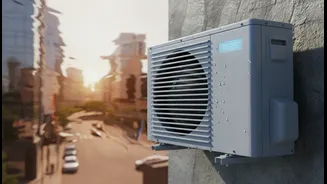
The 'cooling trap' is a simple but alarming concept. As climate change leads to more frequent and intense heatwaves, more people buy ACs to stay safe and comfortable. These machines consume enormous amounts of electricity, putting a massive strain on India's
power grid, which still heavily relies on fossil fuels. Furthermore, many ACs leak refrigerant gases, like hydrofluorocarbons (HFCs), which are potent greenhouse gases, sometimes hundreds of times more powerful than carbon dioxide. This leads to more global warming, which in turn drives temperatures even higher, creating demand for yet more cooling. It’s a classic vicious cycle where the solution to a problem—staying cool—actively makes the root cause worse.
An Unprecedented AC Boom
India is at the heart of a global cooling explosion. While currently, less than 10% of Indian households own an AC, this number is projected to grow dramatically. Some estimates suggest the India air conditioning market will more than triple in value by 2034, growing from around USD 6 billion in 2025 to over USD 21 billion. This translates to an astonishing number of new units being installed—potentially 130 to 150 million over the next decade alone. This surge is driven by rising incomes, rapid urbanisation, and the undeniable reality of record-breaking temperatures sweeping across regions once considered temperate.
Straining the Nation's Power Grid
This boom comes at a cost to our infrastructure. Air conditioners are energy-guzzlers, and their collective demand during peak summer heatwaves is already responsible for nearly a quarter of India's peak electricity demand. Projections indicate that without significant intervention, AC-driven peak demand could nearly triple by 2035, threatening the stability of the grid and increasing the risk of power shortages and blackouts, especially during the crucial evening hours after sunset. This immense load forces the country to rely more on coal-fired power plants to meet demand, undermining efforts to transition to cleaner energy.
The Path to Sustainable Cooling
Escaping this trap requires a multi-pronged approach, as outlined in the government's own India Cooling Action Plan (ICAP). The plan aims to reduce cooling demand, cut energy requirements, and transition to climate-friendlier refrigerants. A key part of the solution is improving the energy efficiency of the ACs we buy. More energy-efficient units can significantly reduce electricity consumption and lower household bills. Another critical area is promoting 'passive cooling' techniques that reduce the need for mechanical cooling in the first place. This includes better building design, promoting natural ventilation, and using cool roofs and insulating materials. Traditional Indian architecture, with its use of courtyards, jalis, and materials like terracotta, offers a wealth of inspiration for these modern solutions.