






The Paradox of Popularity
Spain is a global tourism superpower, expecting to welcome as many as 100 million international visitors this year, a staggering figure for a country with a population of around 50 million. For years, this influx has been a celebrated engine of economic
growth, accounting for roughly 12-13% of the nation's GDP and supporting millions of jobs. However, this success has come at a cost. The very hype that draws visitors in is now sparking widespread discontent, a phenomenon often labelled 'tourism-phobia'. Protests have erupted in major cities and islands, with residents arguing that the current model is environmentally and socially unsustainable. Slogans like 'Tourists go home' and 'The Canaries have a limit' have become common, signalling that the balance between economic benefit and quality of life has broken.
Flashpoints of Frustration
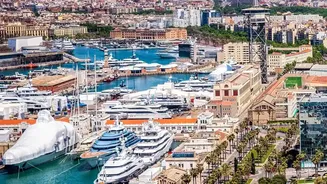
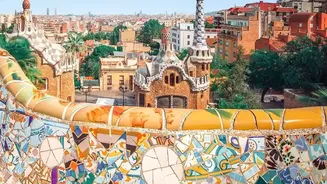
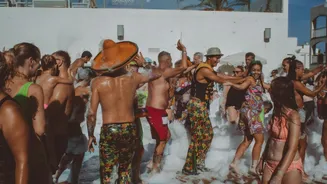
The backlash is most visible in hotspots like Barcelona, the Balearic Islands, and the Canary Islands. In Barcelona, where the tourist-to-resident ratio can reach 16 to 1, locals have protested against the 'touristification' of their neighbourhoods. The city has seen demonstrations where residents spray tourists with water pistols and deploy smoke devices to dramatise their message. Similarly, the Canary Islands have witnessed massive protests, with tens of thousands demanding a cap on visitor numbers. Activists there argue that the relentless development of luxury resorts and the strain on natural resources are destroying the very beauty that tourists come to see. In Majorca, large-scale marches under the banner 'Mallorca at the limit' have highlighted similar grievances, with some protests turning tense.
The Real Cost of Tourist Hype
Beyond the crowded streets, the most severe impact of overtourism is on housing. The boom in short-term holiday rentals, often listed on platforms like Airbnb, has drastically reduced the housing supply for locals. This has caused rents in cities like Barcelona to spike by as much as 68%, pushing residents out of their own communities. One study found that the increase in air tourism added an average of €3,800 to home purchase prices in Spain. The environmental toll is also significant, with water shortages becoming a major concern in regions like the Canary Islands, where tourism accounts for a huge portion of consumption. The constant influx also puts immense pressure on public services, from waste management to public transport, diminishing the quality of life for everyone.
A Search for Sustainable Solutions
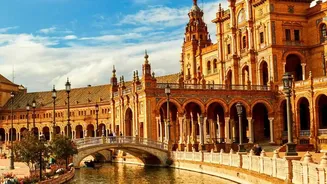
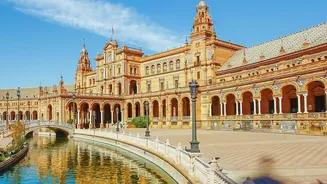
In response to the growing crisis, authorities are moving beyond hype and towards concrete planning. The Spanish government is now championing a 'Tourism Strategy 2030', which prioritises sustainability over sheer numbers. Several cities are taking bold steps. Barcelona plans to eliminate all 10,000 of its shortterm rental licenses by 2028 and has increased tourist taxes. Malaga has frozen new holiday rental registrations in saturated districts, a move mirrored by other cities like Alicante and Seville. The government has also cracked down on tens of thousands of illegal Airbnb listings nationwide. These measures signal a fundamental shift: from attracting as many tourists as possible to managing the flow for the benefit of residents.
A New Model for Travel
The goal is to foster a model of 'calm growth'—one that is manageable and responsible. This involves not just restrictions but also innovation. The government is promoting lesserknown regions to distribute visitors more evenly and investing in cultural heritage projects, like the new Parador de Ibiza, to encourage yearround travel. Some areas are using technology, like digital sensors in Valencia, to monitor crowds and reroute services in realtime. For travellers, this means adapting to a new landscape. It requires respecting local communities, being mindful of resource consumption, and supporting businesses that are committed to sustainability. The message from Spain is clear : tourism is welcome , but not at any price . The future lies in finding a balance where visitors can still enjoy the country's treasures without destroying them.